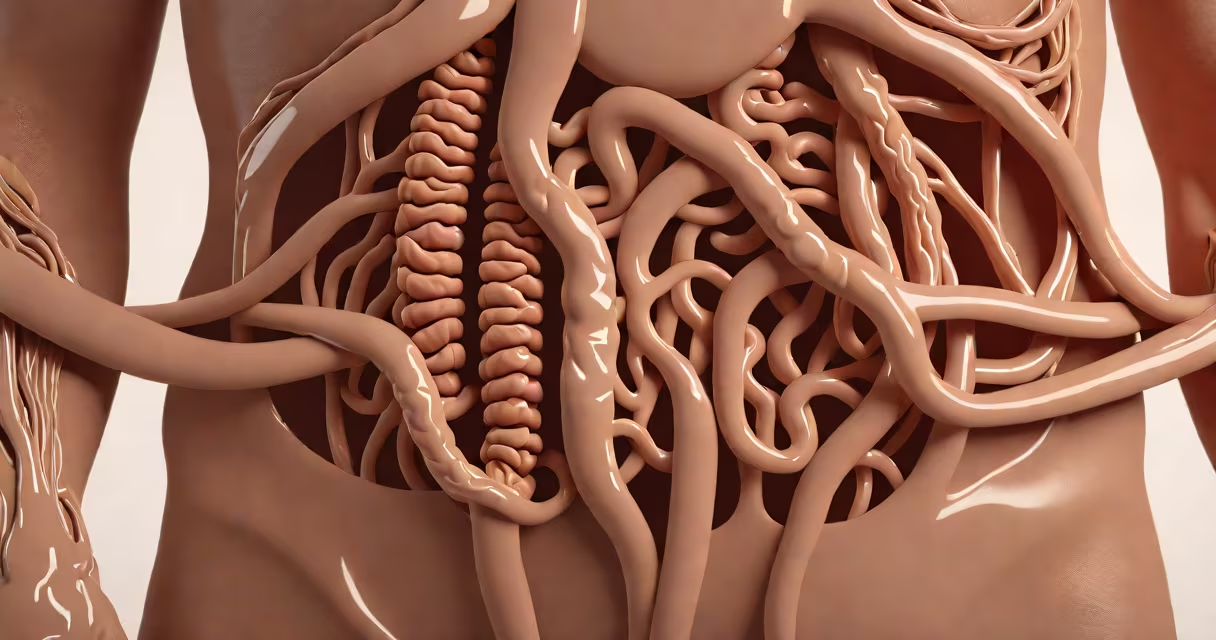
Intestinal spasms occur when smooth muscles in the gastrointestinal tract contract unexpectedly and forcefully, leading to sudden, sharp abdominal pain. These contractions disrupt normal digestion and can last seconds to minutes. The condition is often linked to stress, diet, or underlying gastrointestinal disorders.
Spasms originate in the smooth muscle layers lining the small and large intestine. When nerve signals trigger abnormal contractions, blood flow to the area may temporarily decrease, causing ischemic pain. This pain typically presents as cramping, bloating, or wave-like discomfort that shifts location. Unlike voluntary muscle movements, intestinal spasms happen without conscious control and are not always tied to eating or bowel movements.
Common triggers include dietary irritants such as caffeine, alcohol, spicy foods, and high-fat meals. Stress and anxiety increase the likelihood of spasms by altering autonomic nervous system activity. Conditions like irritable bowel syndrome (IBS), inflammatory bowel disease (IBD), and food intolerances further heighten risk. A 2021 study published in Gastroenterology found that 68% of IBS patients reported recurrent intestinal spasms during symptom flare-ups.
The intestines rely on coordinated contractions called peristalsis to move food and waste through the digestive tract. These movements are regulated by the enteric nervous system-the "gut brain"-and modulated by hormones and neurotransmitters like acetylcholine and serotonin. When this system becomes disrupted, muscles may contract too strongly or too frequently, resulting in a spasm.
Neurotransmitter imbalances play a key role. Serotonin, produced in the gut, influences both motility and sensation. Excess serotonin can overstimulate smooth muscle cells, leading to hypercontractility. Conversely, low levels of gamma-aminobutyric acid (GABA)-a calming neurotransmitter-can reduce inhibition of muscle activity, increasing spasm frequency.
A real-world example: a 34-year-old woman with a history of IBS experienced severe left-sided abdominal cramps after consuming a meal high in fried onions and red wine. She reported the pain began 20 minutes post-meal, peaked within five minutes, and lasted 12 minutes before resolving. An endoscopic evaluation revealed no structural damage, confirming functional gastrointestinal disorder as the likely cause.
Spasms vary based on location and underlying cause. The table below outlines major categories and their distinct triggers.
| Type | Location | Primary Triggers | Associated Conditions |
|---|---|---|---|
| Functional | Small and large intestine | Stress, dietary triggers, hormonal changes | IBS, functional dyspepsia |
| Inflammatory | Colon, ileum | Bacterial overgrowth, autoimmune response | Ulcerative colitis, Crohn's disease |
| Ischemic | Large intestine | Reduced blood flow, vascular occlusion | Diverticular disease, atherosclerosis |
| Referred | Abdominal wall, pelvis | Nerve compression, musculoskeletal strain | Hernias, pelvic floor dysfunction |
One non-obvious distinction: functional spasms are not caused by visible tissue damage. They stem from altered gut-brain signaling. A 2020 review in Neurogastroenterology & Motility emphasized that these spasms persist even after imaging shows no inflammation or structural abnormalities.
Another misconception is that all intestinal spasms indicate serious illness. In reality, occasional cramping after eating is normal. However, persistent or worsening spasms-especially when accompanied by weight loss, blood in stool, or fever-warrant medical evaluation. The American Gastroenterological Association notes that chronic spasms are a red flag for conditions like celiac disease or colorectal cancer.
I once observed a patient who believed her daily abdominal cramps were due to "toxic buildup." After a thorough workup, she was diagnosed with lactose intolerance. Eliminating dairy reduced her symptoms by 90%. This case illustrates how misattributing symptoms leads to ineffective treatment.
Seek care if spasms occur more than twice weekly, interfere with daily activities, or follow new-onset changes in bowel habits. Diagnostic steps may include stool tests, blood work, colonoscopy, or hydrogen breath testing for bacterial overgrowth.
Treatment depends on the root cause. For IBS-related spasms, medications like linaclotide or low-dose antidepressants may reduce sensitivity. Dietary modifications-such as following a low-FODMAP diet-have shown effectiveness in clinical trials. A 2022 randomized controlled trial found that 72% of participants on a low-FODMAP regimen reported fewer spasms after four weeks.
Spasms in the intestines are not a single condition but a symptom of multiple physiological disruptions. Identifying the trigger-whether dietary, neurological, or pathological-is critical for relief. Persistent or severe episodes should prompt professional assessment to rule out serious disease.