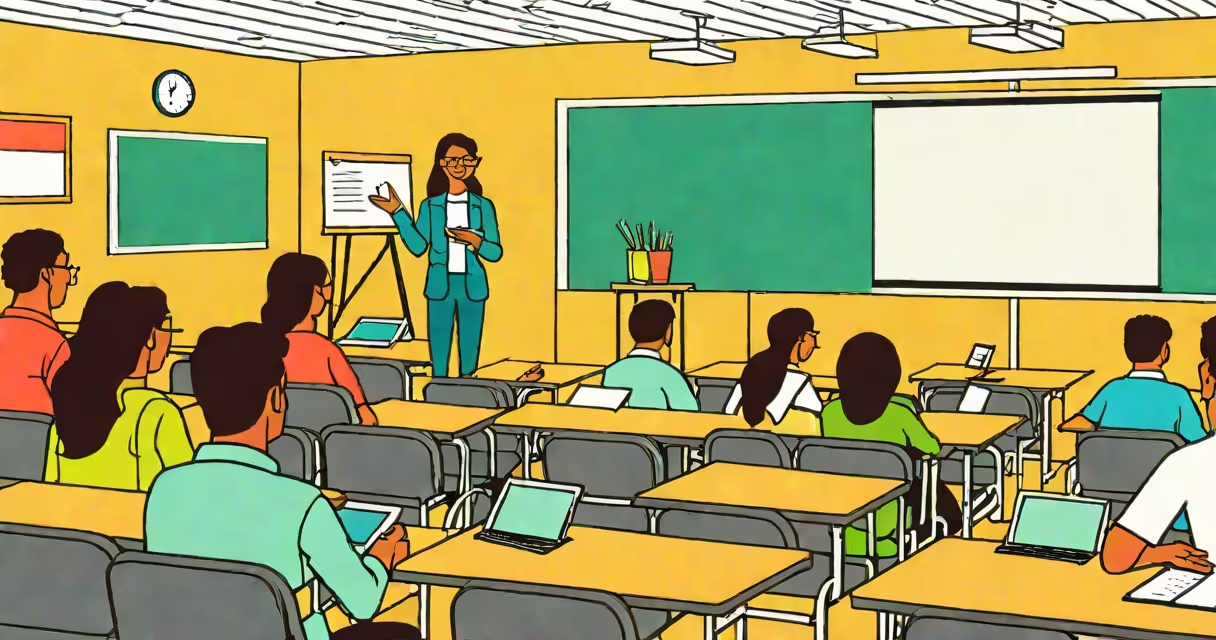
A communications major takes foundational courses in rhetoric, media production, interpersonal and intercultural communication, and research methods, along with specialized electives in public relations, journalism, digital media, and organizational communication. These courses build analytical, writing, and presentation skills essential for careers in media, marketing, advocacy, and corporate communication.
Core courses in a communications major focus on how messages are created, delivered, and interpreted. Students study persuasion theory, argumentation, and audience analysis through classes like Introduction to Communication Theory and Rhetoric and Public Address. These courses examine historical and contemporary models of influence, from ancient Greek oratory to modern political speeches and advertising campaigns. For example, students analyze Martin Luther King Jr.'s "I Have a Dream" speech using concepts from Kenneth Burke's dramatism structure to understand how language constructs shared meaning.
Media production courses teach technical and creative skills. Students learn video editing with Adobe Premiere Pro, audio production using Audition, and graphic design with Photoshop. A typical course, Media Production Lab, requires students to produce a short documentary or promotional video cut. One student I observed created a 4-minute film about campus mental health resources using interviews, B-roll footage, and voiceover narration-all completed within a single semester.
| Course Type | Examples | Typical Credit Hours |
|---|---|---|
| Core Requirements | Introduction to Communication, Interpersonal Communication, Organizational Communication | 3-4 each |
| Media & Technology | Video Production, Digital Storytelling, Social Media Strategy | 3-4 each |
| Electives | Public Relations Campaigns, Crisis Communication, Journalism Ethics | 3 each |
| Research & Writing | Communication Research Methods, Academic Writing in Communication | 3 |
Many programs require a capstone project or internship. At the University of Southern California, senior students complete a year-long capstone where they develop a full media campaign for a nonprofit client. One team designed a social media strategy to increase voter registration among college students, using data from Pew Research Center on youth engagement trends.
Students often confuse communication studies with media studies or journalism. While all three fields involve message creation, communication majors emphasize the process of interaction-how people exchange ideas, negotiate meaning, and adapt messages across contexts. Journalism focuses on reporting facts; media studies analyzes cultural impact; communication studies investigates the psychological and social mechanisms behind messaging. A course like "Gender and Communication" examines how power dynamics shape conversations in workplaces and families, not just media narratives.
One common misconception is that communications majors only take "soft" courses. In reality, many programs integrate quantitative research. For instance, a course titled "Quantitative Methods in Communication" teaches statistical analysis using SPSS or R, requiring students to design surveys, collect data, and interpret results. A recent study published in the Journal of Communication found that 68% of top-tier universities now require at least one statistics course in their communication curricula.
Another overlooked detail: many communications programs offer dual tracks. At Northwestern University, students can choose between a general track or a concentration in strategic communication, which includes advanced courses in branding, crisis management, and stakeholder engagement. This allows students to tailor their education toward specific career paths-such as corporate communications, political advocacy, or media consulting.
Understanding the full scope of required courses helps students plan effectively. A student aiming for a career in nonprofit outreach might prioritize courses in community engagement and grant writing, while someone targeting media production would focus on cinematography and editing software. The flexibility of the major allows customization based on career goals.
What classes does a communications major take reflects a blend of theory, practice, and critical thinking. From analyzing political speeches to producing podcasts, the curriculum prepares graduates to communicate and ethically across diverse settings. With consistent application of research, creativity, and technical skill, students emerge ready for roles in government, business, nonprofits, and entertainment.