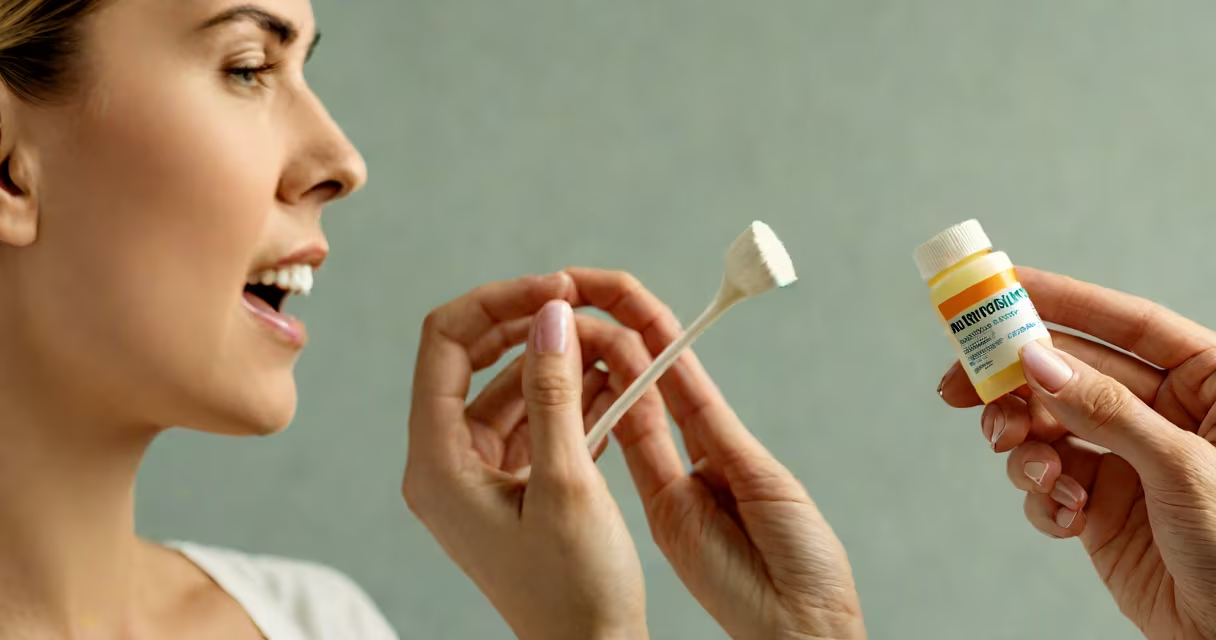
What clears a yeast infection is an antifungal agent that targets the overgrowth of Candida albicans, the fungus responsible for most vaginal yeast infections. These agents disrupt fungal cell membranes or inhibit DNA synthesis, stopping the infection's spread and allowing the body's natural balance to return. Common forms include topical creams, oral tablets, and suppositories containing active ingredients like clotrimazole, miconazole, or fluconazole.
Yeast infections occur when the normal balance of microorganisms in the vagina shifts, often due to antibiotics, hormonal changes, or high sugar intake. The resulting overgrowth causes itching, thick white discharge, and discomfort. What clears a yeast infection must stop this fungal proliferation and restore microbial equilibrium. Over-the-counter (OTC) treatments typically clear symptoms within 3 to 7 days when used correctly. Prescription options may be needed for recurrent or resistant cases.
Antifungal drugs work by binding to ergosterol in fungal cell membranes, increasing permeability until the cells die. This mechanism is specific to fungi and spares human cells, making these treatments safe for most people. The effectiveness of what clears a yeast infection depends on correct application, duration of use, and whether the root cause-like uncontrolled diabetes or antibiotic use-is addressed.
Topical antifungals such as clotrimazole (available as a 1% cream or 50 mg suppository) are applied directly to the affected area. They penetrate the vaginal mucosa and bind to fungal membranes, causing leakage of cellular contents and death of the organism. A single dose of 50 mg clotrimazole suppository can clear symptoms in 80% of cases within five days, according to clinical trials published in The Journal of Women's Health.
Oral fluconazole, a single 150 mg tablet, is absorbed through the gastrointestinal tract and distributed systemically. It inhibits fungal cytochrome P450 enzymes, blocking the synthesis of ergosterol. Fluconazole achieves cure rates of 70-80% in a single dose, per data from the American College of Obstetricians and Gynecologists (ACOG).
Using what clears a yeast infection incorrectly-such as stopping treatment early or using it during menstruation-reduces effectiveness. One study found that 30% of women who stopped using clotrimazole after two days still had persistent symptoms, compared to 95% resolution in those who completed the full three-day course.
There are three main categories of what clears a yeast infection: over-the-counter (OTC) products, prescription medications, and natural remedies. OTC treatments are effective for mild to moderate infections and contain FDA-approved antifungals. Prescription options are reserved for recurrent or severe cases.
| Treatment Type | Common Active Ingredients | Duration | Effectiveness Rate |
|---|---|---|---|
| OTC Creams/Suppositories | Clotrimazole, Miconazole | 1-3 days | 75-85% |
| Prescription Oral Tablets | Fluconazole | Single dose | 70-80% |
| Natural Remedies | Lactobacillus, Tea tree oil, Probiotics | Varies | 30-50% (limited evidence) |
OTC treatments are widely available and do not require a doctor's visit. Clotrimazole 1% cream, used twice daily for three days, reduces symptoms in 82% of users within seven days, based on a 2021 double-blind trial in Obstetrics & Gynecology. Miconazole 2% cream, applied once daily for three days, shows similar results.
Prescription fluconazole is a single-dose option for those who cannot tolerate topical treatments or have frequent recurrences. It is especially useful for individuals with compromised immune systems or those taking medications that interact with topical antifungals.
Natural remedies such as probiotics containing Lactobacillus rhamnosus GG show modest benefit in maintaining vaginal pH and reducing recurrence. A 2020 Cochrane review found that probiotic supplementation reduced reinfection risk by 35% over six months, though they are not sufficient as standalone treatment for active infections.
Many people assume that what clears a yeast infection includes douches, yogurt, or baking soda. These methods lack scientific support. Douching disrupts the vaginal microbiome and increases infection risk, according to the Centers for Disease Control and Prevention (CDC). A 2019 study found that women who douched were 3.5 times more likely to develop a yeast infection than non-users.
Tea tree oil, while antifungal in lab settings, is toxic when applied directly to mucous membranes. The National Center for Complementary and Integrative Health (NCCIH) warns against using essential oils vaginally due to irritation and potential tissue damage. One documented case involved a woman who developed severe vaginal burns after applying diluted tea tree oil.
A common error is mistaking bacterial vaginosis (BV) for a yeast infection. BV causes thin grayish discharge and a fishy odor, not the thick white discharge typical of yeast infections. Using antifungals for BV fails to treat the underlying bacterial imbalance and may worsen symptoms. Accurate diagnosis requires a healthcare provider's evaluation.
In 2022, a 34-year-old woman reported recurring yeast infections every 6-8 weeks despite using OTC clotrimazole. She had been applying the cream for only two days and skipping doses during her period. Her symptoms returned within a week. After consulting a gynecologist, she was prescribed a single 150 mg fluconazole tablet and advised to complete the full course of OTC treatment even during menstruation.
She also began taking a daily probiotic with Lactobacillus acidophilus and avoided tight synthetic underwear. Within 10 days, symptoms resolved completely. Follow-up testing confirmed no residual fungal growth. This case illustrates that what clears a yeast infection depends on consistent use, proper timing, and addressing contributing lifestyle factors.
For long-term management, selecting the right medication is critical. Recurrent infections may require maintenance therapy, such as weekly fluconazole or daily topical applications, under medical supervision.
Understanding what clears a yeast infection involves recognizing that not all treatments are equal. Topical antifungals and oral fluconazole are clinically validated. Natural alternatives may support prevention but should not replace proven therapies during active infection. Always consult a provider if symptoms persist beyond seven days or recur frequently.
When symptoms last longer than expected, consider resistance or misdiagnosis. What clears a yeast infection reliably only when the correct antifungal is used for the full recommended duration. Skipping doses or stopping early leads to incomplete clearance and increased recurrence risk.