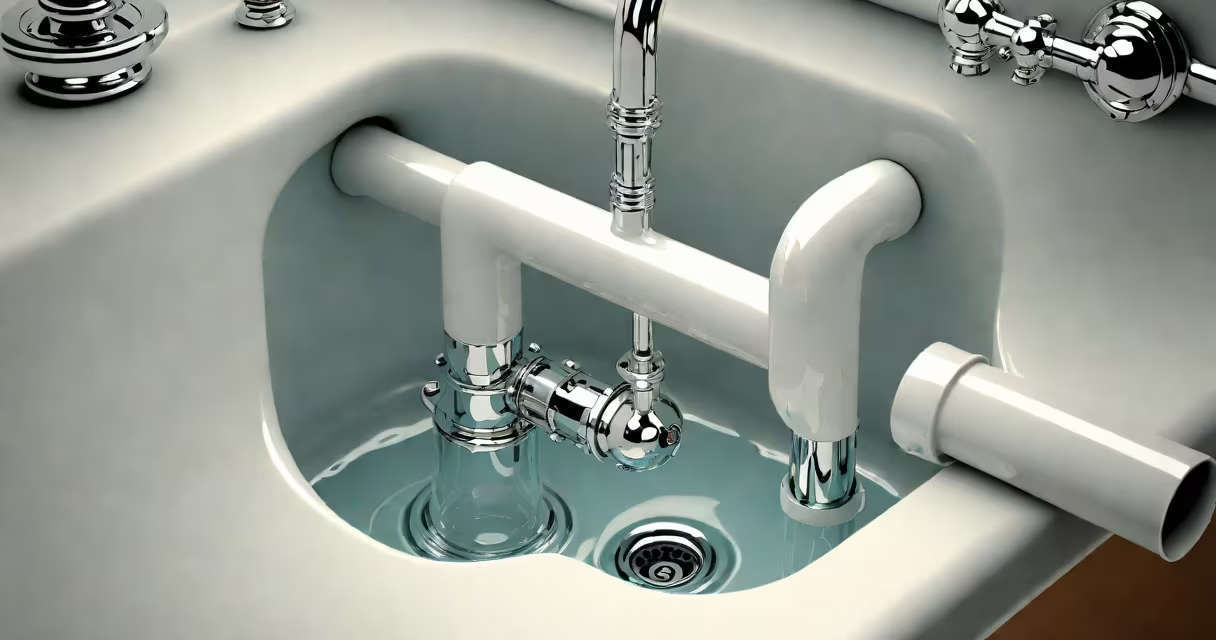
A pea trap, more accurately called a P-trap, is a curved section of pipe beneath sinks, showers, and other drains that holds water to block sewer gases from entering living spaces. It maintains a continuous water seal that acts as a barrier between your home and the waste system.
The term "pea trap" is a common misnomer. It likely stems from confusion with older, smaller traps used in early plumbing systems, but no standard plumbing component is officially known as a "pea trap." The correct name is P-trap due to its shape resembling the letter P when viewed from the side.
According to the International Plumbing Code (IPC), all plumbing fixtures connected to a drainage system must have a trap that retains water to prevent gas infiltration. A P-trap meets this requirement by creating a sealed water barrier that stops odors, methane, hydrogen sulfide, and other harmful gases from rising through the drain.
When water flows down a drain, it fills the curved portion of the P-trap. After the flow stops, a small amount of water remains in the bend. This standing water forms a seal that blocks gases from moving upward through the drainpipe.
For the trap to work properly, the water level must remain stable. If the trap dries out-due to infrequent use, evaporation, or siphoning during flushing-it loses its seal. Once dry, sewer gases can enter the room, leading to unpleasant smells and potential health risks.
Modern P-traps are designed with a vent pipe connected to the drain system. The vent allows air to enter the drain line, preventing suction that could pull water out of the trap. Without proper venting, even a functioning P-trap may fail over time.
P-traps are the most common type used in residential plumbing. They're installed under sinks, bathtubs, and floor drains. Other types exist but are less frequently used in homes.
| Type | Best For | Key Feature |
|---|---|---|
| P-trap | Sinks, showers, laundry drains | Water seal in U-bend; easy to clean |
| S-trap | Older homes (rare now) | Similar shape but prone to siphoning; banned in many codes |
| Stacked trap | Multiple fixtures sharing a drain | Two traps stacked vertically; requires careful installation |
Code standards, such as those from the IPC and Uniform Plumbing Code (UPC), prohibit S-traps in new construction because they lack adequate venting and can empty during flush cycles. P-traps are preferred because their design resists siphoning and maintains a consistent seal.
Many people assume that a P-trap prevents clogs. That's incorrect. The trap doesn't stop debris from entering the drain-it only blocks gases. Clogs form further downstream, often in horizontal pipes or near the main stack.
Another misconception is that a dry trap always means a leak. Not true. A dry trap usually results from infrequent use. Showers used once a week may not provide enough water to refill the trap. In such cases, pouring a cup of water down the drain monthly keeps the seal intact.
Some homeowners try to bypass the trap entirely to "speed up" drainage. This is dangerous. Removing the trap introduces sewer gas into the home. The Environmental Protection Agency (EPA) warns that prolonged exposure to sewer gases can cause respiratory irritation and headaches.
I once encountered a guest bathroom with a persistent odor. The smell worsened after guests used the shower. Inspection revealed the P-trap was dry. The shower was used only twice a week, which wasn't enough to replenish the water seal.
After pouring a quart of water into the drain, the odor disappeared within minutes. The trap refilled, restoring the seal. This simple fix prevented the need for chemical treatments or structural repairs.
This case illustrates a key principle: a working P-trap doesn't require maintenance unless it dries out. Regular use prevents dry-outs. If a fixture is unused for long periods-like a vacation home bathroom-manual refilling is necessary.
Replace a P-trap if it shows signs of corrosion, leaks, or deformation. Most P-traps are made of PVC, ABS plastic, or brass. Brass traps last longer but cost more. PVC is common in kitchens and bathrooms due to low cost and resistance to corrosion.
If you notice slow drainage, gurgling sounds, or persistent odors despite regular use, the trap may be clogged or improperly installed. A clog in the trap itself can prevent water from holding the seal. Clearing the trap using a plunger or drain snake often resolves the issue.
For complex issues-such as recurring dry traps or venting problems-consult a licensed plumber. DIY fixes can lead to improper sealing or code violations. The National Association of Plumbing-Heating-Cooling Contractors (NAPHCC) recommends professional installation for new or modified drain systems.
A P-trap does not filter waste or improve drainage speed. Its sole purpose is to block sewer gases. It's a passive safety device, not a performance feature. When functioning correctly, it operates silently and invisibly-until it fails.
Understanding what a P-trap does helps avoid costly mistakes. If you suspect a problem, check the trap first. Refill it with water. If the odor persists, investigate the vent or seek professional help. A single cup of water can prevent a major issue.