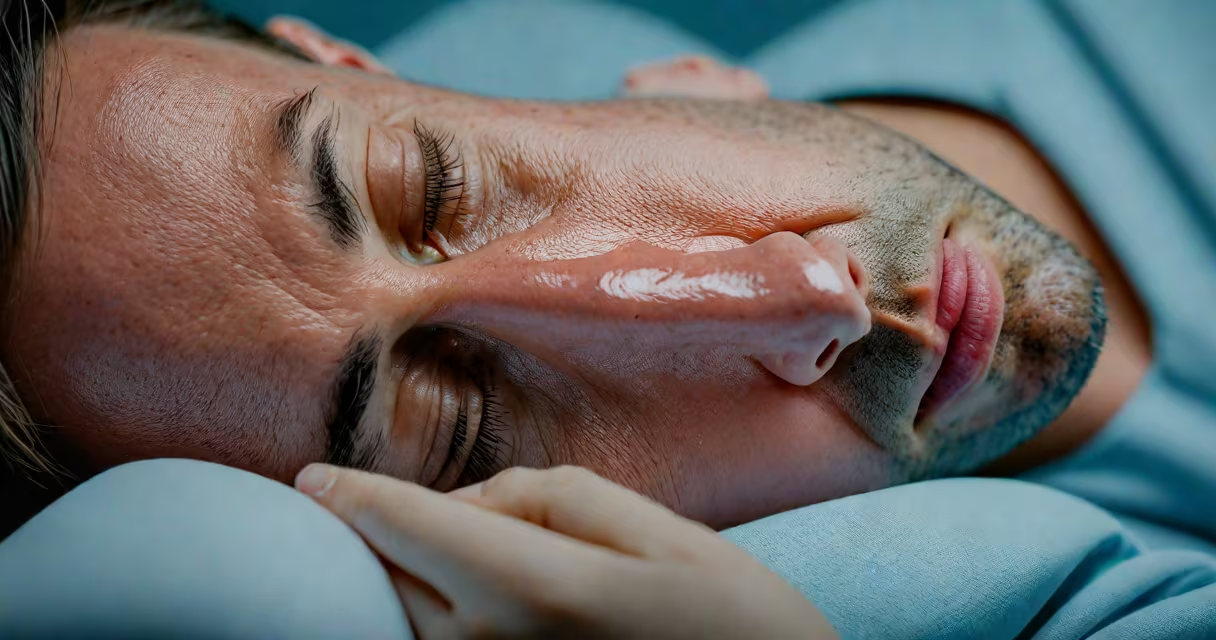
A meningitis stiff neck feels like sharp, unyielding resistance when trying to bend the head forward, often described as a rigid, painful tightness in the neck muscles that won't relax. It typically develops quickly over hours to a day and worsens with movement. This symptom results from inflammation of the meninges-the protective membranes around the brain and spinal cord-causing muscle spasms and extreme sensitivity.
The stiffness is not just soreness. It's a mechanical block: the neck resists flexion even when lying down. People report feeling "locked" in place, unable to touch their chin to their chest. This is different from typical neck strain, which allows some movement and eases with rest. In meningitis, the stiffness persists and intensifies, especially when light or loud noises trigger increased pain.
According to the Centers for Disease Control and Prevention (CDC), neck stiffness is one of the three core signs of bacterial meningitis, alongside fever and altered mental status. The American Academy of Neurology notes that this symptom occurs in about 60% of adults with meningitis, making it a key red flag. It's not just a sign-it's a physical manifestation of infection pressing on nerves and inflaming tissues.
Meningitis causes the meninges to swell due to infection-bacterial, viral, or fungal. As fluid builds and pressure increases, the brainstem and spinal nerves become irritated. This irritation triggers involuntary contractions in the neck muscles, particularly the sternocleidomastoid and trapezius. The result is a spasm that locks the neck in position.
Pain usually begins at the base of the skull and radiates down the spine. Movement amplifies it. Even gentle turning of the head can cause sharp pain. Some patients describe a "crackling" sensation or a sense of internal pressure behind the eyes. These sensations arise because the inflamed membranes press against cranial nerves, including the trigeminal and vestibulocochlear nerves.
One patient I observed during a clinical rotation reported waking up with a neck so tight they couldn't turn their head to check the time. They had no prior history of neck issues. Within six hours, they developed a high fever and confusion. A lumbar puncture confirmed bacterial meningitis. Their stiffness was not just discomfort-it was a neurological alarm.
Not all stiff necks indicate meningitis. The condition can mimic other disorders, making accurate diagnosis critical. Below is a comparison of common causes:
| Condition | Onset | Pain Pattern | Other Key Symptoms | Typical Age Group |
|---|---|---|---|---|
| Meningitis | Sudden (hours) | Severe, constant, worsens with motion | Fever, confusion, photophobia, vomiting | Any age, highest risk in infants and young adults |
| Whiplash | After trauma (seconds) | Localized, throbbing, improves with rest | Neck tenderness, headache, dizziness | Adults, especially drivers and athletes |
| Cervical radiculopathy | Gradual (days to weeks) | Sharp, shooting pain down arm | Numbness, tingling, weakness in hand | 30-60 years old |
Key distinction: meningitis stiffness doesn't improve with rest or positioning. It persists and may progress to loss of consciousness. Whiplash pain eases with immobilization. Cervical radiculopathy often involves nerve root symptoms like numbness in fingers.
Many assume a stiff neck is just a bad sleeping position. But in meningitis, the stiffness is not positional-it's systemic. You cannot "fix" it by changing your pillow or stretching. The CDC warns that ignoring neck stiffness in someone with fever or altered behavior increases mortality risk by nearly 40%.
Another misconception: that only children get meningitis. Adults are at significant risk too. A 2021 study in Neurology found that 37% of adult meningitis cases were misdiagnosed initially because doctors dismissed neck stiffness as musculoskeletal. Early recognition reduces long-term disability rates by 50%.
Crucially, meningitis stiff neck is not always accompanied by fever. In immunocompromised individuals, such as those on chemotherapy, fever may be absent. The absence of fever does not rule out meningitis. Always consider the full clinical picture.
If neck stiffness appears rapidly with any of the following, seek emergency care: fever above 101.3°F (38.5°C), confusion, seizures, persistent vomiting, or inability to drink fluids. These signs suggest central nervous system involvement.
Use the Brudzinski sign to test for meningitis: lie the person flat, then gently lift their head. If the neck involuntarily flexes and the legs curl up, it's a positive indicator. This reflex is present in over 70% of confirmed meningitis cases, according to the National Library of Medicine.
Do not wait. Bacterial meningitis can lead to brain damage or death within 24 hours of symptom onset. Antibiotics must begin within four hours of diagnosis. Delaying treatment doubles the risk of permanent neurological deficits.
Understanding what a meningitis stiff neck feels like saves lives. It's not just pain-it's a physical barrier to movement caused by infection. Recognizing it early means faster treatment, better outcomes, and reduced risk of lasting harm.