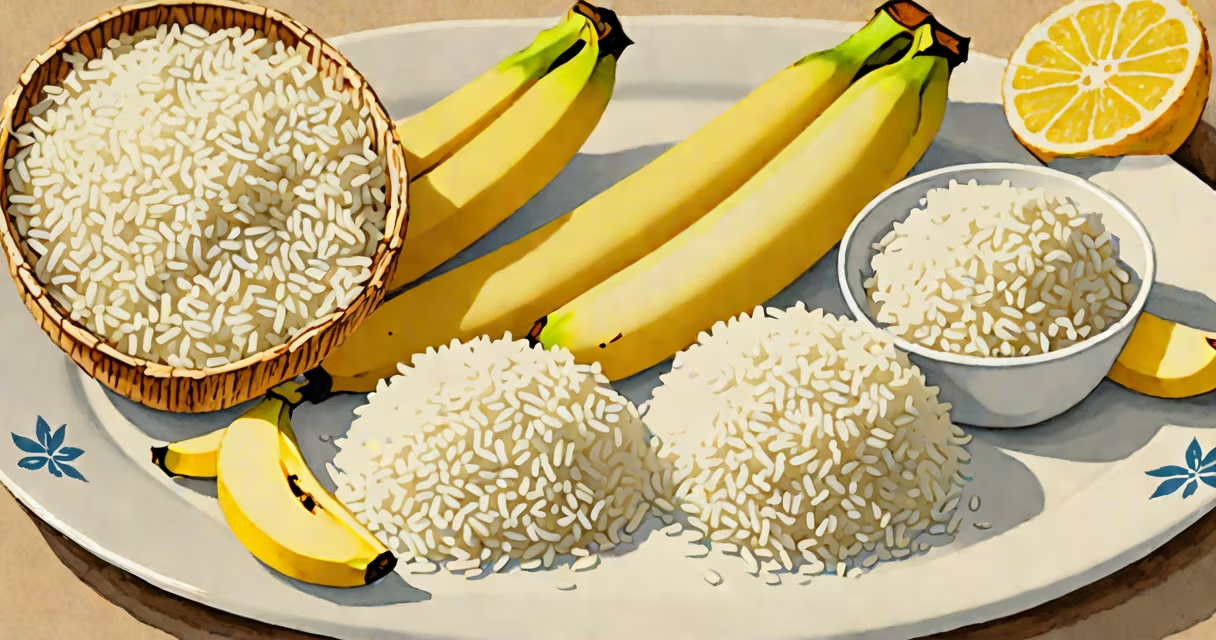
High GI means a food causes a rapid increase in blood glucose levels after eating. The glycemic index ranks foods on a scale based on how quickly they raise blood sugar compared to pure glucose.
The glycemic index (GI) measures how much a food raises blood glucose within two hours of consumption. Foods with a GI of 70 or above are classified as high. These typically contain simple carbohydrates that digest quickly, leading to sharp spikes in blood sugar and insulin release.
For example, white bread has a GI of 73, and a ripe banana scores 62-both considered high. In contrast, steel-cut oats have a GI of 55, placing them in the low category. The higher the number, the faster the carbohydrate enters the bloodstream.
When you eat a high-GI food, your digestive system breaks down the carbohydrates rapidly into glucose. This glucose floods the bloodstream, triggering the pancreas to release insulin to shuttle sugar into cells for energy or storage.
This surge can lead to a quick burst of energy followed by a crash. Blood sugar may drop too low shortly after eating, causing fatigue, hunger, and cravings-especially for more sugary or starchy foods.
A 2018 study published in BMJ Open found that diets high in high-GI foods were linked to a 26% increased risk of developing type 2 diabetes over time, even after adjusting for weight and physical activity.
High-GI foods include white bread, instant oatmeal, breakfast cereals, potatoes (especially mashed or fried), sugary snacks, and fruit juices. These are often processed or refined, stripping away fiber and slowing digestion.
Consider a serving of instant mashed potatoes: GI 85. After eating, blood sugar rises sharply. Insulin surges to manage the influx. Over time, repeated spikes may reduce insulin sensitivity, a key factor in metabolic syndrome and prediabetes.
Even seemingly healthy choices like pineapple (GI 66) or watermelon (GI 72) fall into the high range due to their natural sugars and lack of fiber in concentrated form.
| Food | GI Value | Category |
|---|---|---|
| White bread | 73 | High |
| Ripe banana | 62 | High |
| Potatoes (boiled) | 85 | High |
| Glucose (reference) | 100 | High |
| Steel-cut oats | 55 | Low |
High GI is not the same as high sugar content. A food can be low in added sugar but still have a high GI if it contains easily digestible starches. For example, a baked potato has little sugar but a GI of 85.
Some people assume that all processed foods are high GI, but this isn't always true. A granola bar with added sugar may have a lower GI than a plain bagel because of fat and protein content slowing absorption.
Another misconception: high GI foods are inherently unhealthy. While frequent consumption of high-GI meals increases long-term disease risk, occasional intake-such as during intense exercise-is not harmful. The context of consumption matters.
People managing type 2 diabetes or insulin resistance are advised to limit high-GI foods. The American Diabetes Association recommends choosing low- and medium-GI options to stabilize blood sugar and reduce medication needs.
I once tracked my blood glucose using a continuous monitor after eating a standard breakfast: two slices of white toast with jam. Within 30 minutes, my glucose rose from 90 mg/dL to 155 mg/dL-peaking at 170 mg/dL. That's a clear high-GI response. Switching to whole grain toast reduced the peak to 125 mg/dL.
Pairing high-GI foods with protein, fat, or fiber slows digestion and lowers the glycemic load. Eating a banana with peanut butter reduces its effective GI compared to eating it alone.
GI measures the quality of carbohydrates, while glycemic load (GL) accounts for both quality and quantity. A food with a high GI but small portion size may have a low GL.
For example, watermelon has a high GI (72) but a low GL (7 per 100g) because it's mostly water and contains relatively little carbohydrate per serving. Conversely, a large bowl of white rice has a high GI (85) and high GL (30), making it a significant blood sugar disruptor.
Use GL when assessing real-world impact. A single serving of high-GI food may not cause harm, but regular large portions do.
High GI means a food triggers a fast rise in blood glucose. Knowing this helps manage energy, appetite, and long-term health risks.