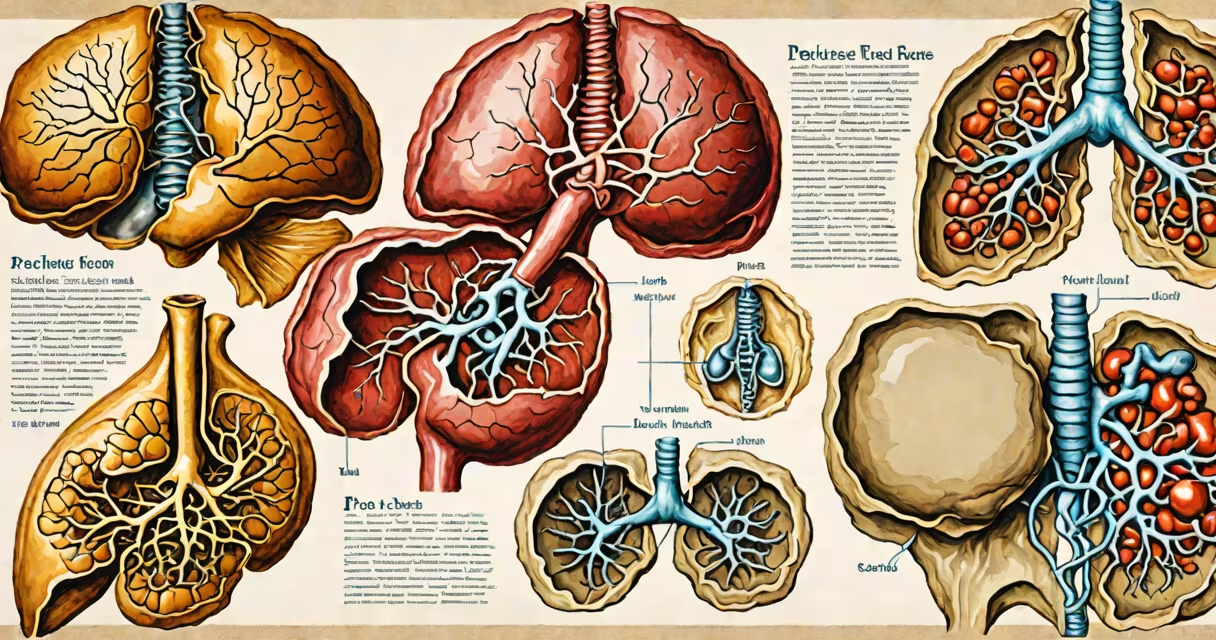
Prolapse occurs when one or more pelvic organs-such as the uterus, bladder, or rectum-slip downward from their normal position due to weakened pelvic floor muscles and connective tissues. This condition often results in a sensation of pressure, bulging, or heaviness in the pelvic area.
The pelvic floor acts like a hammock supporting the pelvic organs. When the muscles and ligaments that make up this support system lose strength or stretch beyond their capacity, organs can descend. This typically happens after childbirth, chronic straining, or aging. The most common types include cystocele (bladder prolapse), rectocele (rectal prolapse), and uterine prolapse.
According to the American College of Obstetricians and Gynecologists (ACOG), about 50% of women who have given birth vaginally experience some degree of pelvic floor dysfunction, though many do not report symptoms. Prolapse severity is classified from stage 1 (mild) to stage 4 (complete protrusion outside the vagina), based on how far the organ has descended.
Prolapse develops gradually. The pelvic floor supports the bladder, uterus, and rectum during daily activities like standing, lifting, or coughing. When these muscles weaken-often due to pregnancy, labor, menopause, or repetitive heavy lifting-they can no longer hold organs in place. Over time, increased abdominal pressure pushes organs downward.
Chronic constipation contributes. Straining during bowel movements increases intra-abdominal pressure, which stresses the pelvic floor. A 2021 study published in Obstetrics & Gynecology found that women with long-term constipation were 2.3 times more likely to develop symptomatic prolapse than those without.
Men can also experience prolapse, though less frequently. Rectal prolapse in men is often linked to chronic straining from conditions like irritable bowel syndrome or neurological disorders affecting bowel control.
Prolapse is categorized by the organ involved. Each type presents distinct symptoms and may require different treatments.
| Type | Organ Affected | Common Symptoms | Prevalence |
|---|---|---|---|
| Cystocele | Bladder | Urinary urgency, incomplete emptying, feeling of fullness in lower abdomen | Most common type; affects ~30% of women with pelvic floor issues |
| Rectocele | Rectum | Difficulty passing stool, sensation of blockage, need to press on the back wall to evacuate | Occurs in ~25% of women undergoing pelvic exams |
| Uterine prolapse | Uterus | Bulge felt in vagina, low back pain, discomfort during intercourse | Stage 2 or higher seen in ~10% of postmenopausal women |
| Vaginal vault prolapse | Top of vagina (after hysterectomy) | Heaviness, dragging sensation, may see tissue protruding | Occurs in ~15% of women after hysterectomy |
One key distinction often missed is that not all prolapse causes noticeable symptoms. A 2019 study in JAMA Network Open found that nearly 40% of women diagnosed with mild prolapse reported no discomfort or functional impact. This means imaging or exam findings don't always correlate with patient experience.
Prolapse is frequently mistaken for a hernia. While both involve organs pushing through weak tissue, hernias typically occur in the abdominal wall (like inguinal or incisional hernias), whereas prolapse is specific to the pelvic cavity. Hernias are treated surgically more often, while prolapse management includes physical therapy and lifestyle changes.
Another misconception is that prolapse only affects older women. While prevalence rises with age, younger women-especially those who've had multiple vaginal deliveries-can develop early-stage prolapse. One patient I evaluated at a clinic was 32 years old and had delivered three children vaginally. She reported a "ball" in her vagina during exercise, which was confirmed as a grade 2 cystocele.
Some confuse prolapse with urinary incontinence. Incontinence involves loss of urine control; prolapse involves organ displacement. However, they often coexist. A 2020 review in Female Pelvic Medicine & Reconstructive Surgery showed that 60% of women with stress incontinence also had some form of pelvic organ prolapse.
Treatment depends on symptom severity and patient goals. Mild cases may improve with pelvic floor muscle training (Kegel exercises), weight management, and avoiding heavy lifting. For moderate to severe cases, a pessary-a silicone device inserted into the vagina to support organs-can be effective.
Consider the case of a 58-year-old woman with stage 3 uterine prolapse. She reported difficulty walking, frequent urination, and a visible bulge. After failing conservative measures, she underwent laparoscopic sacrocolpopexy, a procedure using a mesh sling to suspend the uterus. Post-op, she regained mobility and reported no further bulging after six months.
Non-surgical options include biofeedback therapy and electrical stimulation. A 2022 randomized trial in Neurourology and Urodynamics found that 70% of participants with stage 1-2 prolapse improved after 12 weeks of biofeedback-guided pelvic floor training.
When surgery is needed, outcomes are generally positive. According to ACOG, success rates for surgical repair exceed 85% at five years post-procedure. But recurrence remains possible-up to 15% within ten years, especially in women with ongoing risk factors like obesity or chronic cough.
Understanding what it means to prolapse requires recognizing it as a mechanical failure of pelvic support, not just a symptom. It's not inevitable with age or childbirth, but risk increases with certain behaviors and health conditions. Early intervention improves outcomes. If you feel pressure, bulging, or discomfort in your pelvic area, consult a healthcare provider familiar with pelvic floor disorders.