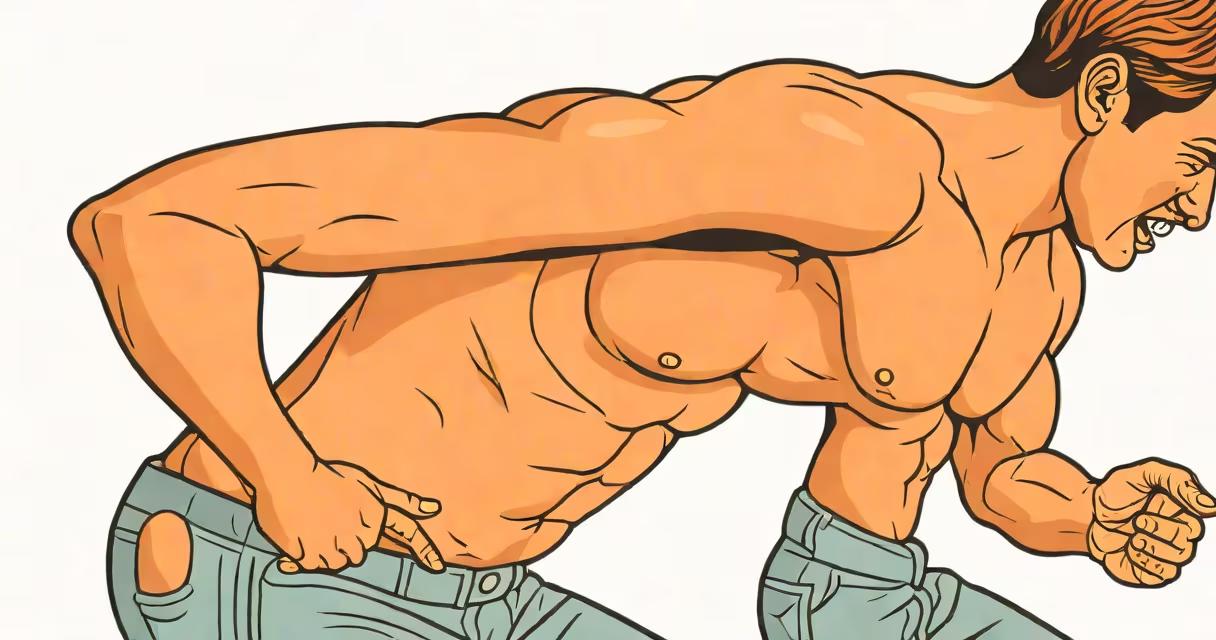
Pain on the right side of the body typically signals issues involving the liver, gallbladder, appendix, right kidney, or right-side musculature. It may arise suddenly or develop gradually, depending on the underlying cause.
Right-sided pain ranges from mild and localized to severe and radiating. The location-upper right quadrant, lower right side, or flank-helps narrow down potential origins. For example, sharp pain under the right rib cage often points to gallbladder disease, while dull, persistent ache in the lower right abdomen may indicate appendicitis or a strained muscle.
According to the American College of Gastroenterology, right upper quadrant pain accounts for nearly 30% of abdominal pain presentations in primary care settings. The most frequent diagnoses include cholecystitis (gallbladder inflammation), hepatitis, and peptic ulcer disease. However, musculoskeletal strain and nerve irritation are also common culprits, especially in individuals who engage in repetitive physical activity.
The human body divides the abdomen into four quadrants: right upper, left upper, right lower, and left lower. Pain in the right upper quadrant (RUQ) usually involves organs such as the liver, gallbladder, and part of the pancreas. The right lower quadrant (RLQ) includes the appendix, cecum, and parts of the small intestine. Flank pain-on the side between the ribs and hips-typically involves the kidneys or spinal nerves.
When tissue is damaged or inflamed, nociceptors (pain receptors) send signals through spinal nerves to the brain. The brain interprets these signals based on location and intensity. For instance, a distended gallbladder stretches the capsule around it, activating sensory nerves that register as sharp, cramping pain in the RUQ. This pain may radiate to the right shoulder due to shared nerve pathways.
A 2021 study published in Frontiers in Neurology confirmed that referred pain patterns-where pain is felt in a different area than the source-are common in visceral conditions. For example, kidney stones can cause flank pain that spreads to the groin, even though the stone is lodged in the ureter.
Right-side pain varies by location and quality. Below is a breakdown of likely causes based on symptom pattern:
| Location | Pain Quality | Most Likely Causes | Supporting Evidence |
|---|---|---|---|
| Right upper quadrant (under ribs) | Sharp, cramping, or dull | Gallstones, hepatitis, liver congestion | Up to 70% of gallstone cases present with RUQ pain (American Gastroenterological Association, 2022). |
| Right lower quadrant (lower abdomen) | Dull, worsening over hours | Appendicitis, hernia, pelvic inflammatory disease | Appendicitis pain typically starts near the navel and migrates to RLQ within 6-12 hours (Mayo Clinic, 2023). |
| Flank (side, below ribs) | Burning, throbbing, radiating | Kidney stones, shingles, muscle strain | Renal colic from kidney stones causes intense, wave-like pain that moves toward the groin (National Institute of Diabetes and Digestive and Kidney Diseases). |
| Right calf or leg | Cramping, tightness, swelling | Deep vein thrombosis (DVT), muscle strain | One in five DVT cases presents with unilateral leg pain and swelling (CDC, 2022). |
Non-obvious distinction: Right-side pain doesn't always originate on the right. Referred pain from the heart (e.g., angina) can manifest as left-sided discomfort, but rare cases of right-sided cardiac pain exist-especially in women or those with atypical anatomy.
People often mistake right-side pain for indigestion, gas, or menstrual symptoms. A 2020 survey by the National Institutes of Health found that 44% of patients with early-stage appendicitis initially believed they had a stomach bug. Misdiagnosis delays treatment and increases risk of rupture.
Another common error is attributing flank pain solely to kidney stones. While stones are a frequent cause, shingles (herpes zoster) can mimic renal colic. Early shingles presents as burning or tingling along a dermatomal pattern-often on the right side of the torso-before a rash appears. Up to 20% of shingles cases begin with pain alone, according to the CDC.
Even muscle strain can be mislabeled. A runner I once treated reported persistent right-side pain during long-distance training. Imaging revealed a stress fracture in the right rib, not a pulled oblique. The pain worsened with breathing and twisting-classic signs of rib injury, not typical muscle strain.
Red flags include fever above 101°F, vomiting bile, inability to pass stool or gas, sudden onset of severe pain, or pain that spreads to the back or shoulder. These suggest complications like bowel obstruction, ruptured appendix, or gallbladder perforation.
For example, a 32-year-old woman presented with right-side pain that began after eating fried food. She had nausea and fever. Ultrasound confirmed acute cholecystitis. After surgery, her symptoms resolved within 48 hours. Without intervention, untreated cholecystitis can lead to gangrene or sepsis.
Understanding what pain on right side means begins with localization, timing, and associated symptoms. Accurate diagnosis prevents complications and guides effective treatment.