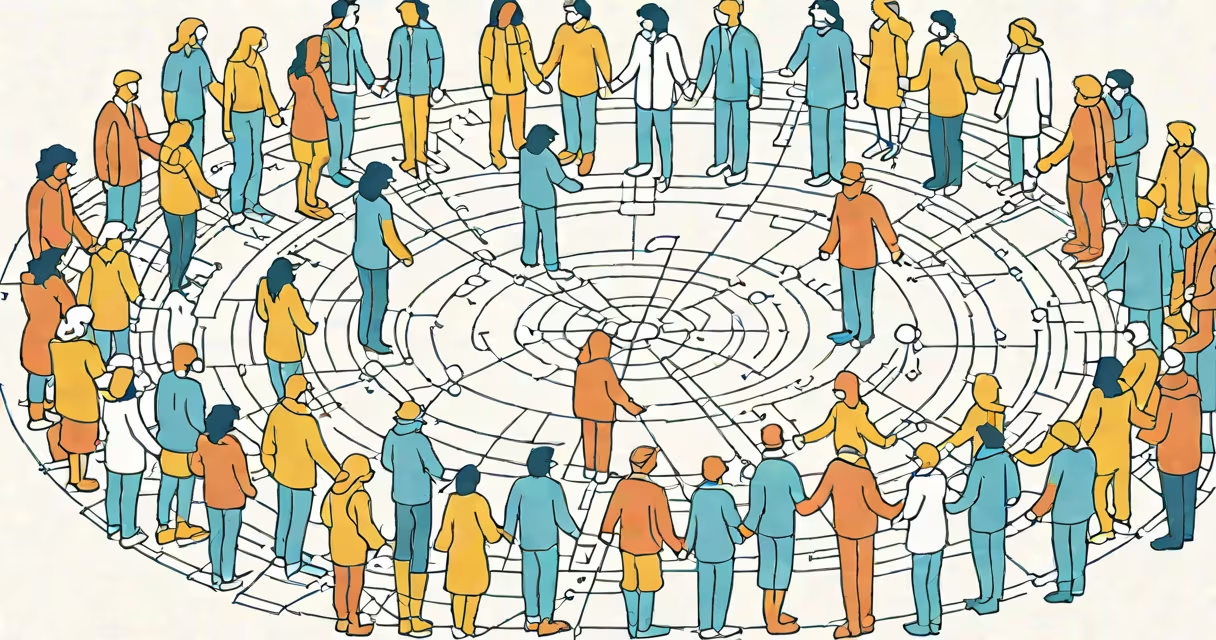
Being pansexual means experiencing romantic or sexual attraction to people regardless of their gender identity. This includes attraction to men, women, non-binary individuals, genderqueer people, and those who identify outside traditional categories.
Pansexuality is a distinct sexual orientation rooted in the belief that gender does not determine whether someone is a potential partner. The term comes from "pan," meaning "all," and "sexual," referring to attraction. It emphasizes openness to relationships across the gender spectrum.
According to the American Psychological Association, pansexuality is recognized as a valid identity within the broader spectrum of human sexuality. It is not about promiscuity or lack of preference-it's about the absence of gender as a barrier to attraction.
Attraction in pansexual individuals is based on personality, emotional connection, shared values, and other personal qualities-not on gender. A pansexual person may feel drawn to someone because of their humor, intellect, or kindness, regardless of how that person identifies.
This contrasts with heterosexuality (attraction to the opposite gender), homosexuality (attraction to the same gender), and even bisexuality, which traditionally implies attraction to two genders. While some bisexual people also experience attraction across the gender spectrum, pansexuality explicitly rejects gender as a factor in attraction.
A 2021 survey by the Williams Institute found that 1.6% of U.S. adults identify as pansexual-making it one of the more commonly reported identities among non-heterosexual populations. That number rises among younger adults, particularly those aged 18-24.
There is no official classification system for types of pansexuality. However, some people describe their experiences using related terms:
| Term | Description | Key Difference |
|---|---|---|
| Pansexual | Attraction to people regardless of gender identity. | Gender is not a determining factor. |
| Bisexual | Traditionally attraction to two genders (often male and female). | Some bisexual people are attracted to more than two genders; others see it as limited. |
| Omnisexual | Attraction to all genders, often with emphasis on emotional connection. | Less common; sometimes seen as synonymous with pansexual. |
| Queer | An umbrella term for non-heteronormative identities. | Not a specific orientation-includes pansexual, bisexual, and others. |
A common misconception is that pansexuality means being attracted to everyone. This is false. Pansexual people have preferences and boundaries-just like anyone else. They're not indiscriminate; they still form meaningful connections based on compatibility, trust, and mutual interest.
Another myth is that pansexuality is a trend or a phase. Research from the National Center for Transgender Equality shows that pansexual identity is stable over time and not more likely to change than other sexual orientations. Identity stability is supported by longitudinal data from the National Survey of Family Growth.
Understanding pansexuality is essential in education, healthcare, and social policy. In schools, inclusive curricula that recognize pansexuality reduce stigma and improve mental health outcomes for LGBTQ+ youth. A 2020 study published in Journal of Youth and Adolescence found that students exposed to diverse sexual identities reported lower rates of depression and suicidal ideation.
In healthcare settings, providers who understand pansexuality offer better care. For example, a patient seeking contraception or STI testing may avoid disclosure if they fear judgment based on their orientation. When clinicians use inclusive language and ask about relationship and attraction patterns rather than assume gender-based assumptions, patients are more likely to seek care.
On social media, pansexual individuals share stories that challenge stereotypes. One such story involved a woman who posted her dating profile with the label "pansexual" and received messages from people of all gender identities. She noted that while some responses were positive, others included disbelief or mockery-highlighting ongoing need for education.
Pansexual is often confused with polyamory, but the two are unrelated. Polyamory refers to consensual non-monogamy-having multiple romantic relationships simultaneously. A pansexual person can be monogamous or polyamorous; the orientation doesn't dictate relationship structure.
Another frequent mix-up is equating pansexuality with being "not picky." This misrepresents the depth of emotional and physical connection required in any healthy relationship. A pansexual person may be deeply selective about partners, just as anyone else. Gender neutrality in attraction does not imply low standards or lack of discernment.
Pansexuality is not the same as being gender-neutral or lacking gender identity. A pansexual person may identify as male, female, non-binary, or another gender. Their orientation is about whom they are attracted to-not how they identify themselves.
I once attended a community event where a panelist described being pansexual and said, "I fell in love with someone who used they/them pronouns, then later with someone who used she/her. The difference wasn't gender-it was their laugh, their patience, their way of listening." That moment clarified something I'd misunderstood: attraction isn't about boxes, it's about presence.
What does pansexual mean? It means being capable of forming romantic or sexual bonds with people regardless of their gender. It's a valid, enduring identity supported by research and lived experience.
When someone uses the term, they're not signaling a lack of commitment or clarity-they're affirming that connection transcends gender. Understanding this helps build more inclusive communities, workplaces, and families.