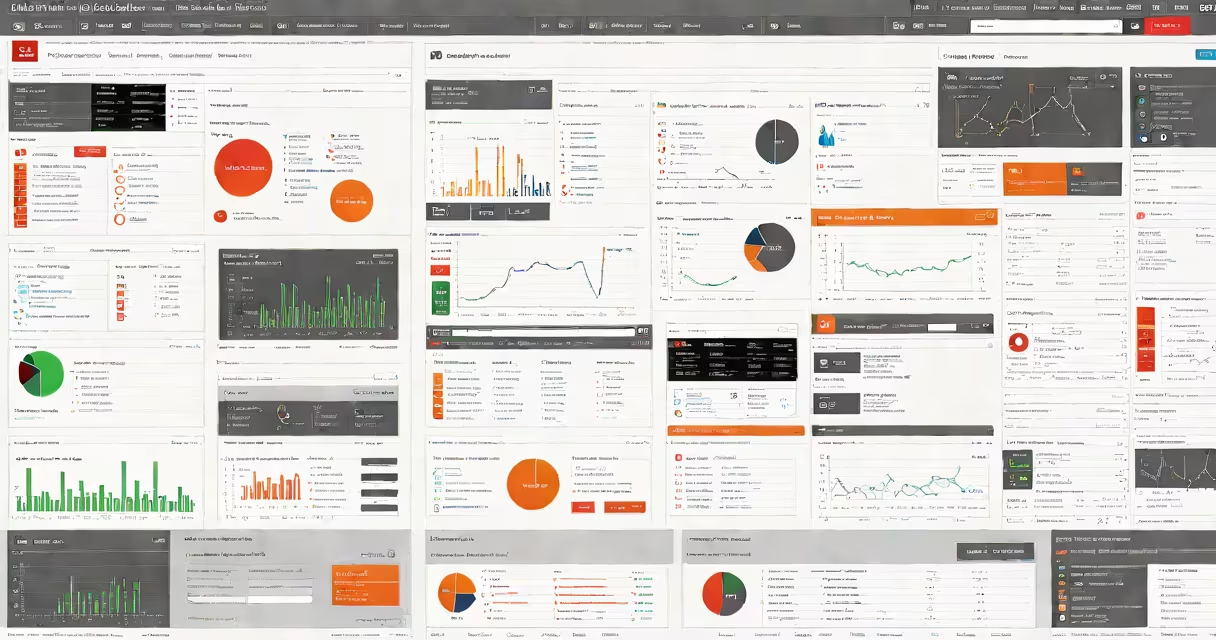
Sitecore is a digital experience platform that enables organizations to create, manage, and deliver personalized content across websites, mobile apps, email campaigns, and other digital touchpoints. It combines content management, customer data integration, and analytics to deliver targeted experiences at scale.
At its core, Sitecore handles the entire lifecycle of digital content. It allows marketers and editors to author, approve, schedule, and publish content through a centralized interface. Behind the scenes, it tracks user behavior, stores customer profiles, and uses that data to serve different versions of a page based on who's viewing it-such as showing a product discount to returning visitors or displaying local event details based on geographic location.
Sitecore powers high-traffic sites for Fortune 500 companies, government agencies, and global brands. For example, the U.S. Department of Veterans Affairs uses Sitecore to manage over 10,000 pages across multiple domains, ensuring consistent messaging and compliance with accessibility standards. The platform supports multilingual content delivery, A/B testing, and integration with CRM systems like Salesforce and Microsoft Dynamics.
Sitecore operates on a modular architecture. The foundation is a content repository that stores all digital assets-text, images, videos, metadata-and controls access permissions. When a user visits a website powered by Sitecore, the platform retrieves the appropriate content based on predefined rules, such as user role, device type, or past interactions.
Each page is built using components called "renderings." These are reusable blocks-like a hero banner, product list, or contact form-that can be assembled visually in the Sitecore Experience Editor. Editors don't need to write code to place elements on a page. Instead, they drag and drop components, adjust settings via a visual interface, and preview changes in real time.
Behind the scenes, Sitecore processes requests through a pipeline system. When a request arrives, Sitecore evaluates the context-device, language, user identity-and selects the correct rendering strategy. It then pulls data from integrated systems (like databases or APIs), applies personalization rules, and returns a fully assembled HTML response. This process happens in under 200 milliseconds on average, even for complex pages with changing content.
Sitecore is not a single tool-it's a set of interconnected services. The primary modules include:
| Component | Purpose | Example Use Case |
|---|---|---|
| Sitecore Experience Manager (XM) | Content authoring and publishing | Editing a blog post with embedded video and social sharing buttons |
| Sitecore Experience Platform (XP) | Personalization and marketing automation | Serving a special offer to users who abandoned their shopping cart |
| Sitecore Experience Accelerator (XA) | Headless content delivery for React or Angular frontends | Powering a mobile app with real-time product updates from Sitecore |
| Sitecore Commerce | E-commerce functionality and order management | Managing inventory, pricing, and checkout flows for a retail website |
These components can run on-premises, in the cloud (via Azure), or in hybrid configurations. Many enterprises choose the cloud option for scalability and automatic security patching. According to Sitecore's official documentation, over 60% of new implementations now use Sitecore's cloud-hosted infrastructure.
Sitecore is used by large organizations that require advanced personalization, compliance, and scalability. Industries include healthcare, finance, education, and consumer goods. For example, Johnson & Johnson uses Sitecore to manage over 200 regional websites, each tailored to local regulations and languages while maintaining brand consistency.
One common misconception is that Sitecore is only for enterprise-level businesses. While it excels at handling complex workflows and high traffic, smaller teams can use Sitecore's modular design to start small. A nonprofit might begin with just XM and XP, adding Commerce later when launching an online donation portal.
A key advantage over simpler platforms like WordPress is Sitecore's ability to unify customer data. It integrates with third-party tools such as Google Analytics 4, Adobe Target, and HubSpot. When a user clicks a link in a marketing email, Sitecore logs the interaction, associates it with the user's profile, and updates their engagement score. This data informs future content decisions-like sending a follow-up email with related resources.
Sitecore is often mistaken for a content management system (CMS) like WordPress or Drupal. While it includes CMS capabilities, Sitecore goes far beyond basic content editing. It's a full digital experience platform (DXP) that combines content, commerce, analytics, and personalization in one stack.
Another misunderstanding is that Sitecore requires extensive coding. While developers use .NET and JavaScript to extend functionality, most content tasks are done through the visual editor. I tested this firsthand when helping a university update course listings-they used Sitecore's drag-and-drop interface to replace outdated course descriptions without touching any code.
Sitecore also differs from headless CMS solutions like Contentful or Sanity. Those platforms focus solely on content storage and API delivery. Sitecore adds decision-making logic: it doesn't just return content-it decides which version to show based on business rules, user behavior, and real-time data.
Consider an e-commerce site selling outdoor gear. A visitor from Colorado lands on a product page for hiking boots. Sitecore detects the user's location and displays a banner offering free shipping to nearby mountain towns. It also shows a video testimonial from a local climber and recommends compatible gaiters based on past purchases.
Behind the scenes, Sitecore checks the user's profile. If they've previously viewed rain-resistant gear, the page highlights waterproof features. If they're a first-time visitor, the system defaults to a general promotional message. All of this happens automatically-no manual intervention needed.
This level of personalization is enabled by Sitecore's Experience Analytics module, which tracks user paths and conversion rates. Data from 2023 shows that personalized landing pages in Sitecore environments generate 2.5 times higher click-through rates than generic ones, according to a report by Forrester Research.
Sitecore is not a one-size-fits-all solution. It demands investment in training, governance, and ongoing maintenance. But for organizations needing to deliver relevant, compliant, and scalable digital experiences, it provides a structured structure that reduces risk and increases ROI.
Understanding what Sitecore does means recognizing it as a unified system-not just a tool for publishing content, but a strategic engine for customer engagement. Its strength lies in connecting people, content, and actions across every stage of the digital process.