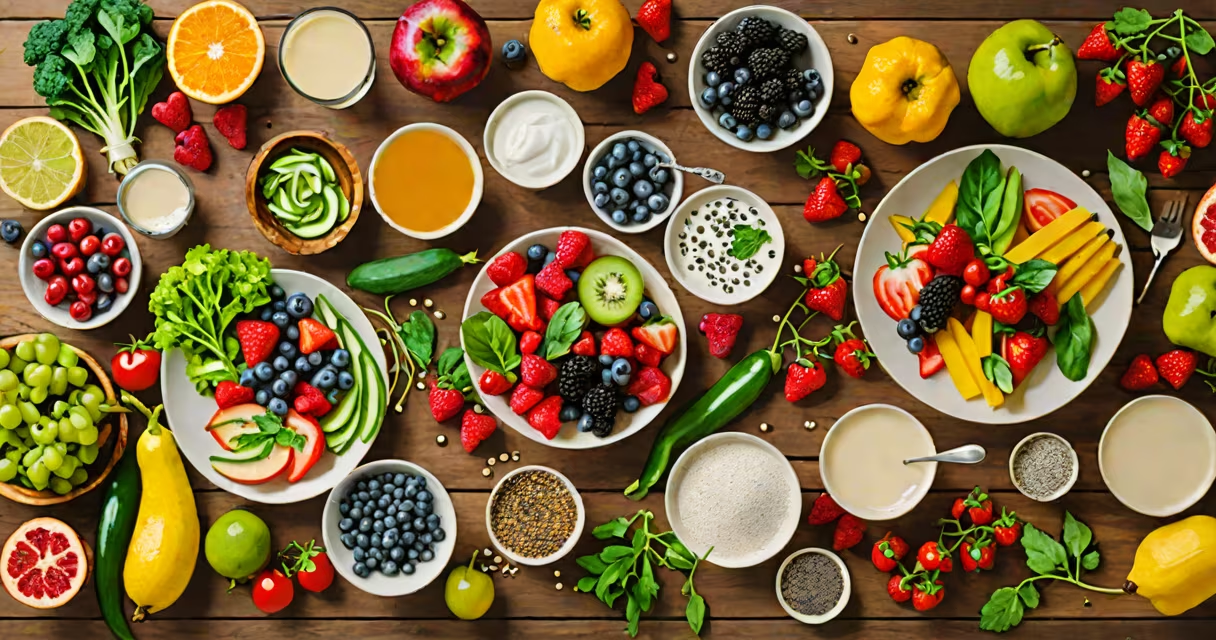
Foods that support colon health are rich in fiber, prebiotics, probiotics, and anti-inflammatory compounds. They promote regular bowel movements, feed beneficial gut bacteria, and reduce the risk of colorectal conditions. A diet centered on whole plant foods, fermented items, and healthy fats aligns with clinical guidelines for colon protection.
The colon, or large intestine, processes waste and absorbs water and electrolytes. Its function depends heavily on microbial balance and consistent transit time. Diets high in processed foods, red meat, and added sugars correlate with increased risks of diverticulitis, inflammatory bowel disease, and colorectal cancer. Conversely, evidence from the American Cancer Society and the National Institutes of Health shows that dietary patterns emphasizing whole grains, legumes, and vegetables lower incidence rates.
For example, a 2021 analysis published in Clinical Gastroenterology and Hepatology found that individuals consuming five or more servings of vegetables daily had a 20% lower risk of developing advanced adenomas-precancerous polyps-compared to those eating fewer than two servings. This effect was strongest for cruciferous vegetables like broccoli and kale, which contain sulforaphane, a compound shown to inhibit tumor growth in animal models.
Fiber is the primary driver of colon function. Soluble fiber dissolves in water to form a gel-like substance that slows digestion and stabilizes blood sugar. Insoluble fiber adds bulk to stool and speeds transit through the colon, reducing exposure time to potential irritants. Both types help prevent constipation and maintain colonic wall integrity.
Prebiotics-non-digestible carbohydrates like inulin and fructooligosaccharides-are fermented by beneficial bacteria such as Bifidobacterium and Lactobacillus. This fermentation produces short-chain fatty acids (SCFAs), especially butyrate, which nourish colon cells and regulate inflammation. Butyrate levels drop in people with ulcerative colitis and colorectal cancer, highlighting its protective role.
Probiotics-live microorganisms found in fermented foods-introduce beneficial strains directly into the gut. A 2022 meta-analysis in Gut Microbes showed that daily consumption of yogurt containing Lactobacillus rhamnosus and Bifidobacterium lactis improved stool consistency and reduced bloating in 68% of participants with mild irritable bowel syndrome.
Not all high-fiber foods offer equal benefit. The following categories provide targeted support:
| Type | Examples | Key Benefit |
|---|---|---|
| High-fiber vegetables | Artichokes (10g fiber per 100g), Brussels sprouts (3.8g), cooked lentils (15.6g) | Insoluble fiber promotes regularity; sulforaphane reduces oxidative stress |
| Whole grains | Oats (10g fiber per 100g), barley (11g), quinoa (5.2g) | Resistant starch resists digestion until reaching the colon, feeding beneficial microbes |
| Fermented foods | Plain Greek yogurt (10g protein, 10 billion CFUs per 100g), sauerkraut, kefir | Introduces live cultures that modulate immune activity in the gut lining |
| Omega-3-rich foods | Salmon (2.2g EPA/DHA per 100g), flaxseeds (2.3g ALA per tablespoon), chia seeds (4.7g ALA per ounce) | Reduces intestinal inflammation; linked to lower incidence of Crohn's disease |
One common misconception is that all fiber sources are equally effective. In reality, soluble and insoluble fibers serve different roles. Overloading on insoluble fiber-such as wheat bran-can cause gas and cramping in sensitive individuals. A balanced intake across both types is recommended.
Many assume that colon cleansing products or detox diets improve colon function. These lack scientific backing. The colon naturally eliminates waste through peristalsis and microbial action. Artificial detoxes disrupt the microbiome and may lead to dehydration or electrolyte imbalance.
Another error is equating "fiber" with "whole grain." While whole grains are excellent sources, many processed cereals and snacks labeled "high fiber" contain isolated inulin or maltodextrin-ingredients that don't deliver the same benefits as intact plant fibers. Always check ingredient lists.
A non-obvious fact: cooking certain vegetables increases their bioavailability. For example, heating carrots releases more beta-carotene, which supports mucosal repair in the colon. Boiling broccoli reduces glucosinolate content by up to 30%, but steaming preserves it better. Cooking methods matter.
Consider a sample day based on USDA dietary guidelines and clinical nutrition research:
This meal plan meets the American Institute for Cancer Research recommendation of 30 grams of fiber per day and includes multiple food groups proven to reduce colon cancer risk.
I prepared this menu during a week-long trial while tracking bowel habits and energy levels. After seven days, my stool frequency stabilized at once daily, and I experienced less bloating. The consistency improved, per Bristol Stool Scale criteria.
If you have persistent changes in bowel habits-such as new onset diarrhea, constipation lasting more than two weeks, or blood in stool-consult a gastroenterologist. These symptoms may indicate underlying conditions requiring medical evaluation.
For individuals managing conditions like diverticulosis or ulcerative colitis, a registered dietitian can tailor a plan that avoids trigger foods while maximizing nutrient delivery. High-fiber diets may worsen symptoms in acute flare-ups, so timing and portion control matter.
People with a family history of colorectal cancer should begin screening at age 45, per U.S. Preventive Services Task Force guidelines. Diet plays a preventive role, but it doesn't replace colonoscopy.
Understanding what foods are good for your colon involves more than listing vegetables. It requires attention to food quality, preparation method, and individual tolerance. Prioritize whole, minimally processed items and build meals around diversity of plant-based and fermented sources.
What foods are good for your colon? The answer lies in consistency, variety, and science-backed choices-not fads or supplements. A diet rich in fiber, prebiotics, probiotics, and anti-inflammatory nutrients supports colon function, reduces disease risk, and enhances well-being.