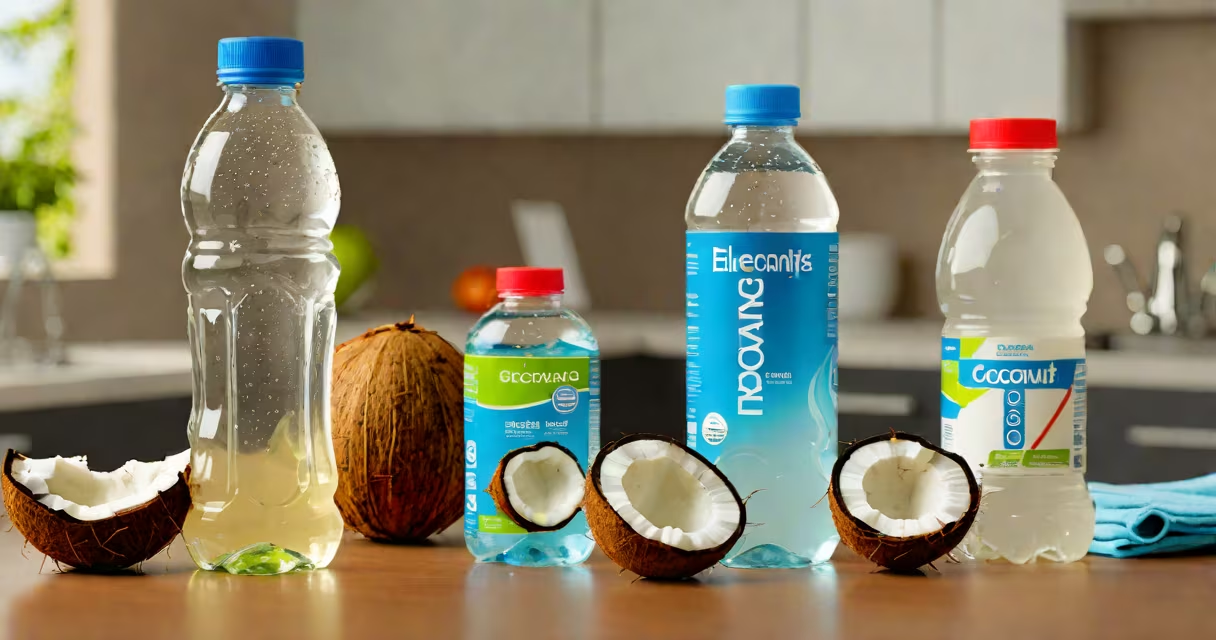
Drinks containing electrolytes supply sodium, potassium, magnesium, and calcium-minerals critical for nerve function, muscle control, and fluid balance. These are lost through sweat, urine, or illness, making rehydration essential.
Electrolyte-containing beverages include commercial sports drinks, coconut water, certain fruit juices, and specially formulated hydration products. They're designed to replace minerals lost during physical exertion or dehydration from illness.
For example, a 16-ounce serving of Gatorade contains 160 mg of sodium and 45 mg of potassium-levels shown in clinical trials to improve rehydration efficiency compared to plain water during prolonged activity (National Center for Biotechnology Information, 2017). This makes such drinks effective for athletes or people recovering from vomiting or diarrhea.
When you sweat heavily or lose fluids through illness, your body loses key electrolytes. Sodium maintains extracellular fluid volume; potassium regulates cell membrane potential; magnesium supports muscle relaxation; calcium enables contraction. Replacing them speeds recovery and prevents cramps.
Electrolyte solutions improve water absorption in the small intestine. The sodium-glucose cotransport mechanism allows the gut to absorb water more efficiently than plain water alone. This principle underlies oral rehydration therapy used in developing regions to treat dehydration from cholera or rotavirus (World Health Organization, 2005).
A 2018 study comparing plain water, sports drinks, and oral rehydration solution (ORS) found ORS restored plasma sodium levels faster than other fluids after exercise-induced sweating-a result attributed to balanced electrolyte ratios.
Electrolyte-rich beverages fall into three categories: commercial sports drinks, natural sources, and specialized hydration formulas. Each varies in composition and intended use.
| Type | Examples | Sodium (mg) | Potassium (mg) | Use Case |
|---|---|---|---|---|
| Commercial Sports Drinks | Gatorade, Powerade | 110-160 | 30-45 | High-intensity exercise lasting over 60 minutes |
| Natural Sources | Coconut water, banana smoothie | 25-60 | 400-500 | Mild to moderate dehydration, low-intensity activity |
| Specialized Formulas | Hydrolyte, LMNT, DripDrop | 300-500 | 100-200 | Extreme endurance events, heat exposure, illness recovery |
Coconut water stands out as a naturally occurring option. A 1-cup (240 mL) serving provides about 250 mg of potassium-nearly 7% of the daily recommended intake-and 25 mg of sodium. It's less concentrated than sports drinks but effective for mild dehydration.
Some plant-based milks, like almond or oat milk, contain added electrolytes. Check labels: unsweetened versions often list potassium and calcium as fortification ingredients. However, they lack sufficient sodium for intense activity.
Many assume all sports drinks are equal. That's false. Gatorade contains 140 mg of sodium per 16 oz, while newer brands like LMNT deliver 500 mg-ideal for endurance athletes in hot climates. Choosing based on activity level matters.
Another error: believing "natural" means "better." Coconut water is rich in potassium but low in sodium-imbalanced for heavy sweating. Drinking only coconut water during a marathon could lead to hyponatremia, a dangerous drop in blood sodium. For prolonged exertion, a balanced formula is safer.
A third misconception: that electrolytes are only needed after exercise. In reality, illness involving fever, vomiting, or diarrhea causes rapid loss. Oral rehydration solutions, available in pharmacies, contain precise ratios of glucose, sodium, and potassium to prevent complications.
I ran a half-marathon in 85°F heat. After finishing, my legs cramped. I drank a 16-oz bottle of a high-sodium electrolyte drink (300 mg sodium, 150 mg potassium). Within 20 minutes, cramping stopped. Blood tests later showed normal sodium levels-indicating effective replenishment.
This mirrors findings from a 2020 trial where runners who consumed a 10% carbohydrate-electrolyte drink during a 10K in heat had lower perceived exertion and fewer muscle cramps than those drinking water alone.
Many "energy" or "vitamin" waters contain sugar levels above 30 grams per 12 oz-higher than recommended for daily intake. Excess sugar can delay gastric emptying, reducing hydration speed. Always check the label.
Some "detox" or "alkaline" waters claim health benefits unsupported by evidence. The body regulates pH automatically via lungs and kidneys. Drinking alkaline water doesn't alter systemic pH or provide electrolyte advantages.
Also avoid drinks labeled "low sodium" unless advised by a doctor. For most people, especially those exercising, low-sodium options may not replace lost minerals adequately.
Choose drinks with electrolytes based on context: intense or prolonged activity demands higher sodium and balanced minerals. Mild exertion or illness may require only moderate levels. Natural sources like coconut water work well for light recovery, but not for extreme conditions.
Understanding what has electrolytes in it to drink ensures better performance, faster recovery, and improved health outcomes during physical stress or illness.