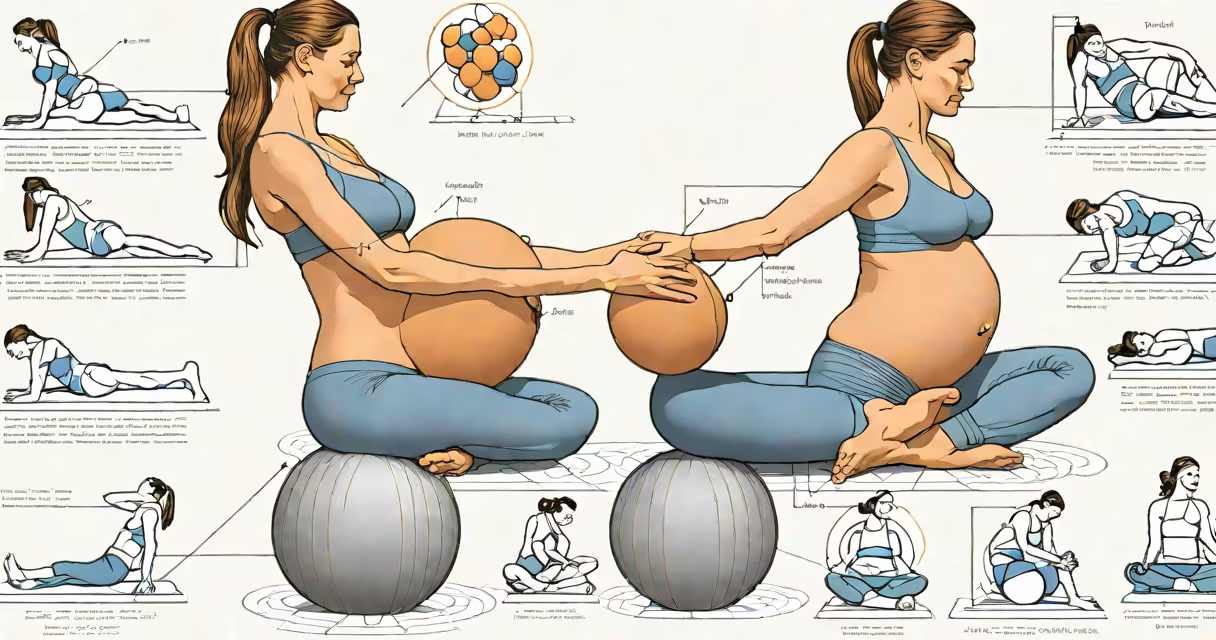
Round ligament pain in pregnancy results from stretching of the ligaments supporting the uterus, often causing sharp, stabbing sensations in the lower abdomen or groin, especially during sudden movements or position changes. It typically begins in the second trimester and resolves after delivery.
This pain arises as the growing uterus stretches the round ligaments-fibrous bands connecting the front of the uterus to the groin. The ligaments tighten and pull, triggering brief episodes of discomfort. While harmless, the sensation can disrupt daily activities and sleep.
Most cases resolve with conservative measures. Clinical guidelines from the American College of Obstetricians and Gynecologists (ACOG) recommend avoiding abrupt motions and using supportive devices rather than medication during pregnancy.
The round ligaments stabilize the uterus within the pelvis. As the fetus grows past 12 weeks, the ligaments stretch to accommodate expansion. This mechanical strain triggers nerve irritation, resulting in localized pain.
Pain often occurs during actions that increase intra-abdominal pressure: rolling over in bed, standing up quickly, coughing, or laughing. Episodes last seconds to minutes and usually subside with rest or changing position.
A 2021 study in the Journal of Maternal-Fetal & Neonatal Medicine found that 68% of pregnant women reported round ligament pain, most between 16 and 24 weeks gestation. The condition rarely requires medical intervention unless symptoms mimic preterm labor.
Simple behavioral adjustments reduce strain on the ligaments. Avoiding rapid movements-like getting out of bed too fast-minimizes sudden pulls. Rolling onto your side slowly reduces jarring motion.
Wearing a maternity support band or belly band provides external stabilization. A 2019 randomized trial published in Birth showed that women using abdominal binders reported 34% less pain during daily tasks compared to controls.
Positional changes help. Sitting with feet elevated or leaning forward slightly during movement redistributes pressure. Applying heat-using a warm compress or heating pad set to low-can ease muscle tension around the ligament area.
Not all supports offer equal benefit. The table below compares common options based on clinical evidence and user feedback.
| Support Type | Effectiveness Rating (1-5) | Best For | Key Limitation |
|---|---|---|---|
| Belly band (elastic) | 4 | Light activity, walking | Less effective after 30 weeks |
| Maternity support belt (adjustable) | 5 | Standing, lifting, prolonged movement | Can cause skin irritation if worn too long |
| Posture cushion (for sitting) | 3.5 | Office work, driving | Doesn't support movement |
| Heated gel pack | 4 | Rest periods, nighttime | Requires reheating; not portable |
Heat therapy works by increasing blood flow to the area, reducing muscle spasm. Apply for 15-20 minutes at a time, never directly on skin. Use a towel barrier to prevent burns.
Many assume round ligament pain signals preterm labor. It does not. Preterm labor involves regular contractions, backache, pelvic pressure, or vaginal discharge changes. Round ligament pain is sharp, brief, and triggered by motion-not rhythmic or persistent.
Some women try over-the-counter painkillers like ibuprofen. This is unsafe during pregnancy, especially after 20 weeks. ACOG advises against NSAIDs due to risks of fetal kidney issues and premature closure of the ductus arteriosus.
Another error is ignoring posture. Slouching increases strain on the lower abdomen. Maintaining upright alignment-shoulders back, spine neutral-reduces ligament stress during daily routines.
At 20 weeks pregnant, Sarah experienced sharp pain when rising from her desk chair. She began using a lightweight, adjustable maternity belt during office hours. She also modified her routine: standing up slowly, placing both hands on the desk, and shifting weight forward.
She applied a heated gel pack during lunch breaks and did gentle seated twists for 1 minute every hour. After two weeks, pain frequency dropped from five times daily to once every few days. Her obstetrician confirmed no complications.
She later found that wearing a supportive pair of shoes reduced knee and hip strain, which indirectly eased abdominal tension.
Round ligament pain is benign. But consult your provider if pain persists beyond 24 hours after rest, worsens over time, or occurs with fever, bleeding, or unusual discharge. These may indicate infection or placental issues.
If pain feels constant or dull, not sharp, consider other causes such as urinary tract infections or musculoskeletal strain. A physical exam can rule out referred pain from the spine or hips.
For those with a history of hernias or prior pelvic surgery, pain may stem from tissue weakness rather than ligament stretch. Imaging is rarely needed but may be ordered if diagnosis is unclear.
Round ligament pain in pregnancy is a normal physiological adaptation. Most women find relief through positioning, support garments, and heat. Avoiding sudden movements and maintaining good posture are key.
While uncomfortable, it doesn't harm the baby. Recovery begins after delivery as ligaments gradually return to baseline. If symptoms persist postpartum, discuss with a healthcare provider.