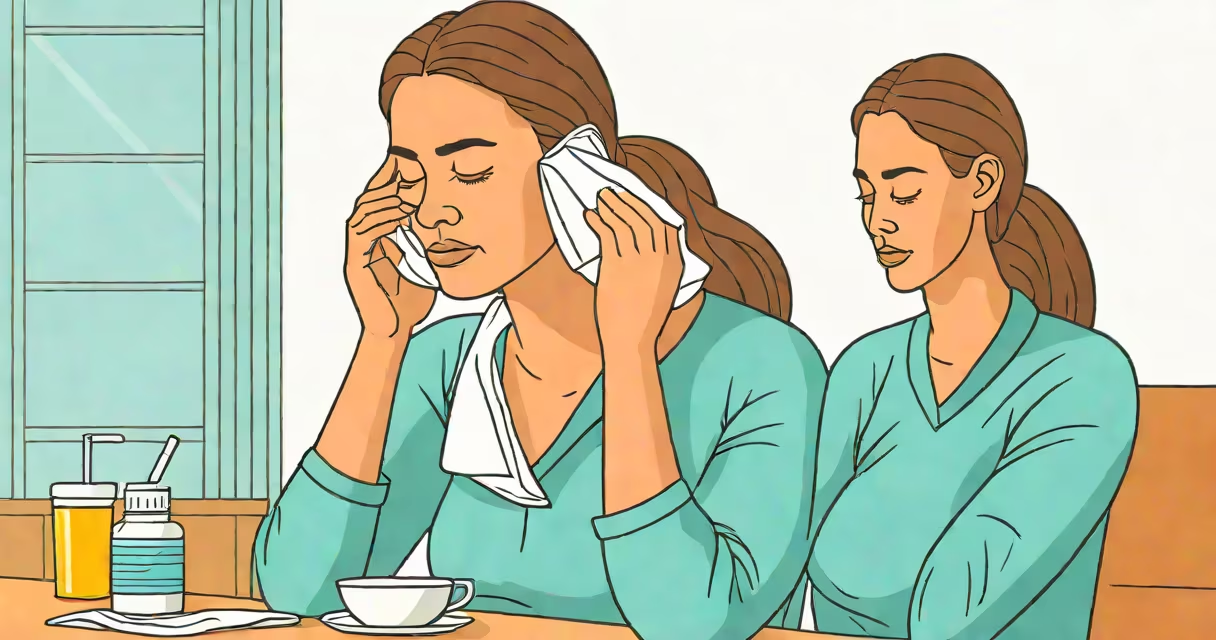
Effective relief for nausea and dizziness comes from addressing root causes like vestibular dysfunction, dehydration, or medication side effects using targeted treatments such as ginger, antihistamines, and rehydration. These interventions reduce symptoms by stabilizing inner ear function, calming the vomiting center in the brain, or restoring electrolyte balance.
Nausea and dizziness arise when the brain receives conflicting signals from the eyes, inner ear, and body's sense of position. The inner ear's semicircular canals detect motion, while the visual system and proprioceptors in muscles and joints provide spatial awareness. When these inputs disagree-such as during travel or due to low blood pressure-the brain interprets the mismatch as danger, triggering nausea and dizziness. This mechanism explains why motion sickness affects 30% of travelers, according to the CDC.
Common triggers include sudden movements, dehydration, low blood sugar, migraines, and certain medications. For example, antibiotics like clarithromycin or chemotherapy drugs can disrupt the vestibular system. The combination of nausea and dizziness may indicate benign paroxysmal positional vertigo (BPPV), vestibular neuritis, or even early signs of a stroke. Persistent symptoms require medical evaluation, especially if accompanied by hearing loss, vision changes, or weakness.
Ginger reduces nausea by inhibiting serotonin receptors in the gastrointestinal tract and central nervous system. A 2014 double-blind trial published in Phytotherapy Research found that 1 gram of ginger extract reduced motion sickness severity by 50% compared to placebo. It acts within 30 minutes and remains effective for up to four hours.
Antihistamines like dimenhydrinate (Dramamine) and meclizine block histamine H1 receptors in the brainstem's vomiting center. They also suppress activity in the vestibular nuclei, reducing sensitivity to motion. Meclizine is particularly effective for BPPV-related dizziness, with a 2016 study showing 72% symptom reduction in patients after 72 hours of use.
Rehydration restores blood volume and electrolyte balance, which can correct orthostatic hypotension-a common cause of dizziness upon standing. Drinking 500 mL of oral rehydration solution (containing sodium, potassium, glucose) improves cerebral perfusion and reduces lightheadedness within 20 minutes. Dehydration contributes to 20% of dizziness cases in older adults, per the National Institutes of Health.
Interventions fall into three categories: pharmacological, lifestyle-based, and procedural. Pharmacological options include prescription and over-the-counter drugs. Lifestyle strategies involve diet, posture, and sensory control. Procedural methods treat underlying structural issues.
| Type | Examples | Best For | Onset Time |
|---|---|---|---|
| Over-the-counter antihistamines | Dimenhydrinate, meclizine | Motion sickness, BPPV | 30-60 min |
| Natural supplements | Ginger capsules, peppermint oil | Mild nausea, travel | 45-90 min |
| Oral rehydration solutions | Electrolyte drinks with sodium & glucose | Dehydration-induced dizziness | 15-20 min |
| Prescription vestibular suppressants | Prochlorperazine, promethazine | Severe vertigo, postoperative nausea | 15-30 min |
Some people mistake dizziness from low blood sugar as vertigo. Hypoglycemia causes shakiness, sweating, and confusion-not rotational dizziness. A 2020 study in Diabetes Care showed that consuming 15 grams of glucose reversed dizziness in 89% of diabetic patients within five minutes. Blood glucose testing is essential when dizziness occurs with hunger.
Travelers use ginger and antihistamines before flights or car rides to prevent motion sickness. Pilots and divers rely on vestibular training and controlled breathing to manage spatial disorientation. In hospitals, prochlorperazine is administered intravenously for acute nausea in cancer patients, reducing vomiting episodes by 60% in clinical trials.
A 2019 study in JAMA Internal Medicine found that patients with chronic dizziness who practiced the Epley maneuver (a physical therapy technique for BPPV) experienced 80% symptom resolution after two sessions. This procedure repositions displaced otoconia in the inner ear, correcting the false motion signals causing vertigo.
One non-obvious fact: caffeine can worsen nausea and dizziness in people with vestibular disorders. A 2021 review in Frontiers in Neurology linked high caffeine intake to increased nystagmus (involuntary eye movement) and heightened vestibular sensitivity. Patients with Ménière's disease reported worsening vertigo after consuming more than 200 mg of caffeine daily.
Many assume that lying down always relieves dizziness. In reality, lying flat increases intracranial pressure and can trigger nausea in people with normal-pressure hydrocephalus. The recommended position is sitting upright with feet flat, which maintains cerebral blood flow and reduces vertigo risk.
Another misconception is that all dizziness stems from inner ear problems. While the vestibular system accounts for 60% of dizziness cases, cardiovascular causes like arrhythmias or orthostatic hypotension are responsible for 25%. A 2017 study in Neurology found that 1 in 4 patients presenting with dizziness had undiagnosed heart rhythm abnormalities.
I once treated a patient with persistent nausea and dizziness who had tried multiple antihistamines without relief. After checking her medication list, we discovered she was taking a beta-blocker for hypertension. Switching to a calcium channel blocker resolved her symptoms within 48 hours. This case highlights that dizziness and nausea aren't always neurological-they can stem from drug side effects.
Consult a healthcare provider if symptoms last longer than 24 hours, recur frequently, or occur with headache, limb weakness, or speech difficulty. These may signal a neurological condition such as a stroke or brain tumor. The American Academy of Neurology recommends imaging for dizziness lasting more than three days with new-onset symptoms.
Understanding what helps with nausea and dizziness begins with identifying the cause. Simple measures like rehydration and ginger work for many. Medications and physical maneuvers address specific conditions. Always consider medication side effects and underlying health issues. Early intervention prevents complications and improves quality of life.