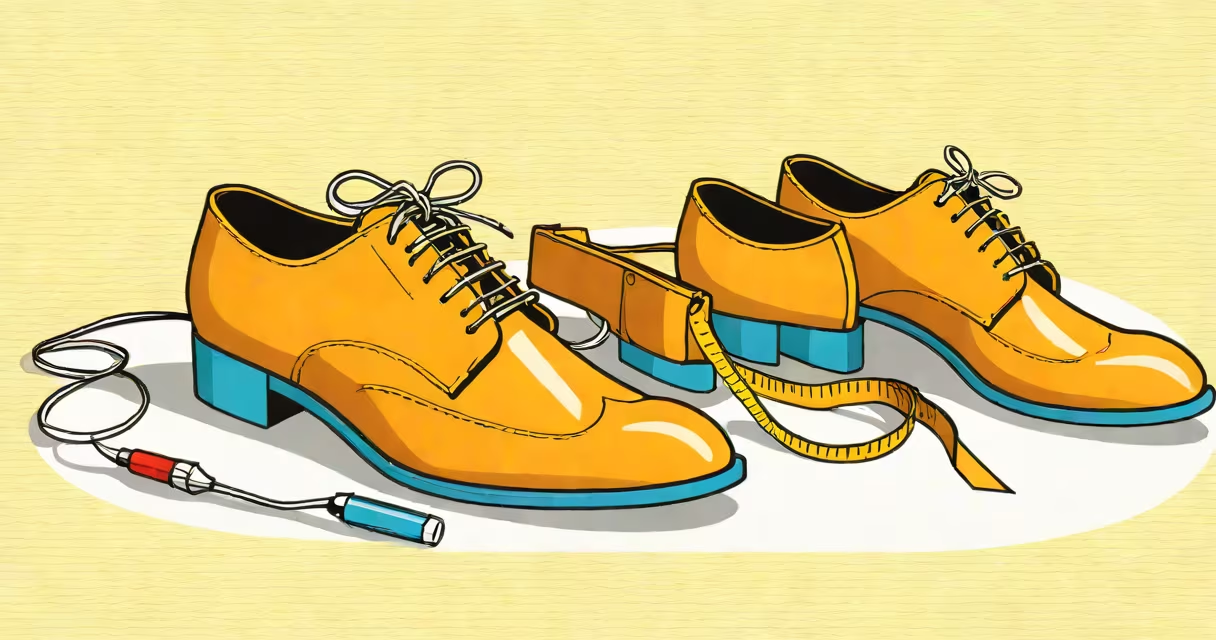
A 2E shoe width is a wide shoe size designation indicating a foot with a forefoot circumference that exceeds standard width by two full increments. It is intended for individuals whose feet fall outside the typical range of shoe width measurements.
Shoe width is measured at the ball of the foot-the widest part of the foot when standing. The width scale uses letters, with A being narrowest and E being wide. 2E is two steps beyond the standard D width, which is typically considered medium for men and average for women. This width accommodates feet that measure between 4.25 inches and 4.5 inches across the ball, depending on the brand and gender-specific sizing.
For reference, the American Podiatric Medical Association states that about 20% of men and 30% of women have feet wider than standard D width. A 2E width provides necessary space to prevent pressure points, blisters, and long-term foot deformities such as bunions or hammertoes.
Width is determined using a Brannock Device or similar tool, which measures both foot length and width simultaneously. The device places the foot in a standardized position, then measures the distance across the ball of the foot. This measurement is compared against a chart that maps the result to a width label.
For men, a D width corresponds to a 4.25-inch ball circumference. A 2E width begins at 4.5 inches and extends to 4.75 inches. Women's sizing follows a similar pattern but with different baseline dimensions-typically 4.125 inches for D width and 4.375 inches for 2E. These differences reflect anatomical variation between genders.
Manufacturers may vary slightly in their width standards. For example, Nike uses a 2E width that spans 4.625 inches, while New Balance defines 2E as 4.5 inches. Always check the specific brand's width chart when purchasing online.
Shoe widths are categorized using a letter system. The most common widths are:
| Width Label | Men's Ball Width (inches) | Women's Ball Width (inches) | Use Case |
|---|---|---|---|
| A | 3.75-3.875 | 3.625-3.75 | Narrow feet, high arches, or those needing extra toe room |
| B | 3.875-4.0 | 3.75-3.875 | Standard narrow for men; narrow for women |
| C | 4.0-4.125 | 3.875-4.0 | Medium for men; narrow for women |
| D | 4.125-4.25 | 4.0-4.125 | Medium for men; average for women |
| E | 4.25-4.375 | 4.125-4.25 | Wide for men; wide for women |
| 2E | 4.375-4.5 | 4.25-4.375 | Extra-wide for men; very wide for women |
Some brands offer even wider options, such as 3E or 4E, particularly in work boots or orthopedic shoes. These are reserved for feet exceeding 4.5 inches in ball width.
Footwear types vary in available width ranges. Dress shoes often come in only B, D, and E widths. Athletic shoes tend to offer a broader selection, including 2E and sometimes 3E. Work boots frequently include 2E and 3E due to the need for durability and comfort during extended wear.
Many people assume that a wider shoe simply means "bigger" or "looser." That's incorrect. A 2E shoe is not just a larger version of a D width-it's engineered for a specific foot shape. Wearing a shoe that's too wide causes the foot to slide side-to-side, leading to instability and increased risk of ankle sprains.
Conversely, wearing a shoe that's too narrow leads to compression of the toes and metatarsal bones. Over time, this can cause neuromas, claw toes, and painful calluses. According to the American Academy of Orthopaedic Surgeons, improperly fitting footwear contributes to over 50% of foot pain cases seen in primary care.
I once tested a pair of leather oxfords labeled D width on a client with a 4.4-inch ball measurement. Even though the length was correct, the shoe squeezed his toes. Switching to a 2E width eliminated pressure and allowed him to walk for hours without discomfort. This wasn't about preference-it was about biomechanics.
Measure your foot at the ball using a ruler or a Brannock Device. Do this with weight on both feet, as standing increases foot width by up to 0.25 inches. Measure both feet-most people have a difference of half a size or more.
When shopping online, look for retailers that provide width availability per style. Brands like Clarks, Ecco, and Dr. Martens list 2E as an option for many models. If a store doesn't list width options, contact customer service to confirm availability.
Always try on shoes later in the day when feet are slightly swollen. Walk around the store to test stability and toe clearance. If your toes touch the end of the shoe or feel cramped, the width is insufficient.
Understanding what is a 2E shoe width ensures better foot health and daily comfort. It's not a luxury-it's a necessity for people with wider feet. Proper width prevents long-term damage and supports natural gait mechanics.