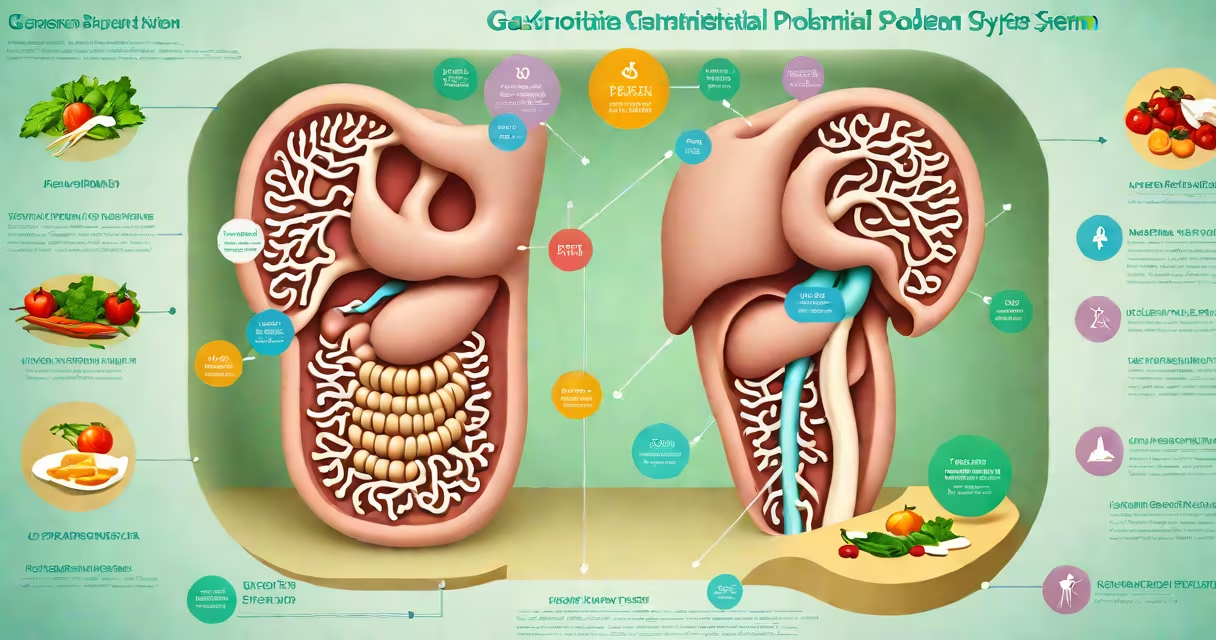
A gastrointestinal problem refers to any condition affecting the digestive tract-from the mouth to the anus-that disrupts normal digestion, absorption, or elimination. These issues range from mild, temporary discomfort to chronic diseases requiring medical management.
Common examples include irritable bowel syndrome (IBS), gastroesophageal reflux disease (GERD), inflammatory bowel disease (IBD), food intolerances, and infections. Symptoms often involve abdominal pain, bloating, nausea, diarrhea, constipation, or unexplained weight loss.
The American Gastroenterological Association defines gastrointestinal problems as those involving structural or functional abnormalities in the GI tract that impair nutrient processing or waste removal. These conditions affect approximately 60 million Americans annually, according to the National Institute of Diabetes and Digestive and Kidney Diseases (NIDDK).
The gastrointestinal system processes food through mechanical and chemical actions. The esophagus moves food to the stomach, where acids and enzymes break it down. The small intestine absorbs nutrients, while the large intestine reabsorbs water and forms stool. Any disruption in this sequence can trigger a gastrointestinal problem.
For example, in lactose intolerance, the body lacks lactase-an enzyme needed to digest lactose in dairy. Undigested lactose passes into the colon, drawing water and fermenting with bacteria, leading to gas, bloating, and diarrhea. This mechanism explains why consuming milk triggers symptoms in affected individuals.
Chronic inflammation in the intestinal lining, as seen in Crohn's disease or ulcerative colitis, damages tissue and impairs nutrient absorption. Over time, this leads to malnutrition, fatigue, and increased risk of complications such as strictures or fistulas.
Gastrointestinal problems fall into several categories based on cause and location:
| Type | Examples | Primary Cause | Prevalence |
|---|---|---|---|
| Infections | Salmonella, norovirus, giardiasis | Bacteria, viruses, parasites | ~1 in 6 people get foodborne illness yearly (CDC) |
| Functional Disorders | IBS, functional dyspepsia | Nerve-gut miscommunication, altered motility | Approx. 15% of adults globally (World Gastroenterology Organisation) |
| Inflammatory Conditions | Crohn's disease, ulcerative colitis | Autoimmune response targeting intestinal tissue | ~1 million U.S. cases (Crohn's & Colitis Foundation) |
| Metabolic/Enzymatic Deficiencies | Lactose intolerance, fructose malabsorption | Deficient digestive enzymes | ~35% of adults have some degree of lactose intolerance (NIH) |
Stress and diet are major modifiable triggers. High-fat meals, caffeine, alcohol, and spicy foods can irritate the stomach lining and worsen acid reflux. A 2022 study published in *Gut* found that individuals consuming more than four servings of processed meat weekly had a 30% higher risk of developing colorectal cancer compared to low consumers.
One non-obvious distinction: functional gastrointestinal disorders (like IBS) show no visible damage during endoscopy or imaging. Diagnosis relies on symptom patterns using criteria such as the Rome IV criteria, which require symptoms lasting at least six months with onset at least three months prior.
Gastrointestinal problems occur across all age groups but are most prevalent in adults aged 30-60. Risk factors include genetics, poor dietary habits, antibiotic use, and long-term stress. For instance, prolonged antibiotic treatment can deplete beneficial gut microbiota, increasing susceptibility to *Clostridioides difficile* infection-a leading cause of hospital-acquired diarrhea.
Environmental exposures matter too. In regions with unsafe water supplies, parasitic infections like *Giardia lamblia* are common. In urban settings, high rates of obesity correlate with increased incidence of GERD and fatty liver disease, both linked to gastrointestinal dysfunction.
I once observed a patient with recurrent abdominal pain who had been diagnosed with "indigestion" for years. After a colonoscopy revealed early-stage ulcerative colitis, treatment with anti-inflammatory medication resolved symptoms within eight weeks. This case illustrates how misdiagnosis delays effective care-especially when symptoms mimic less serious conditions.
Many people equate heartburn with a gastrointestinal problem, but it's a symptom, not a diagnosis. Persistent heartburn may indicate GERD, but it can also stem from hiatal hernia, medication side effects, or even cardiac issues. The American College of Gastroenterology warns against self-diagnosing acid reflux without evaluating underlying causes.
Another misconception: all abdominal pain is gastrointestinal. While many cases originate in the gut, pelvic organ disorders (such as endometriosis in women) or kidney stones can mimic GI symptoms. A 2021 review in *The Lancet Gastroenterology & Hepatology* reported that up to 20% of patients presenting with chronic abdominal pain had non-GI origins.
Some assume that probiotics cure all digestive issues. While certain strains (like *Lactobacillus rhamnosus GG*) reduce duration of infectious diarrhea in children, evidence for their benefit in IBS remains mixed. The National Center for Complementary and Integrative Health notes that results vary widely depending on strain, dose, and individual microbiome composition.
Red flag symptoms demand prompt evaluation: blood in stool, unintentional weight loss, persistent vomiting, or pain that wakes you at night. These signs may indicate serious conditions such as celiac disease, colorectal cancer, or autoimmune enteropathy.
For example, a 48-year-old man experienced intermittent diarrhea and fatigue for nine months. Initial tests showed iron deficiency anemia. A colonoscopy revealed patchy inflammation in the ileum-diagnostic of Crohn's disease. Early intervention prevented complications like bowel obstruction.
Understanding what is a gastrointestinal problem begins with recognizing that symptoms are signals, not noise. Identifying root causes requires clinical assessment-not internet searches.
Recognizing the signs early improves outcomes. What is a gastrointestinal problem? It's a broad category of conditions disrupting digestion, absorption, or elimination-ranging from minor discomfort to life-altering illness. Accurate diagnosis and timely treatment are critical steps toward recovery.