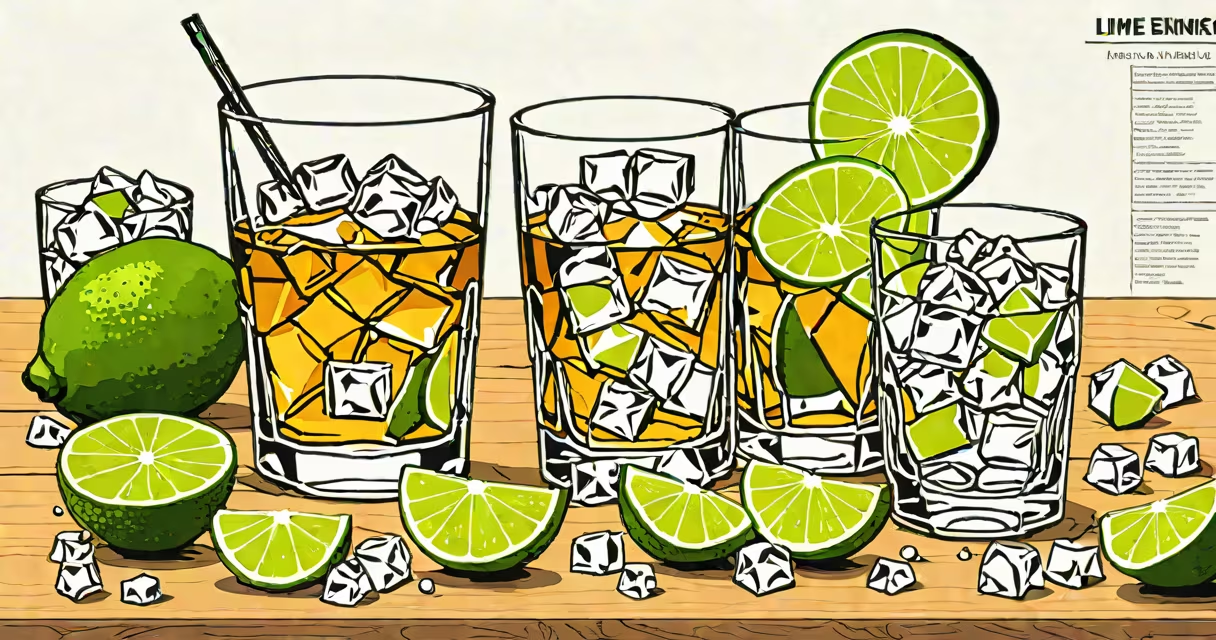
A hard drink is a distilled alcoholic beverage containing 40% alcohol by volume (ABV) or higher, produced through distillation of fermented grain, fruit, or vegetable mash. Unlike beer or wine, which rely on fermentation alone, hard drinks concentrate alcohol through heating and condensation.
Distillation separates ethanol from water and other compounds in fermented mixtures. This process increases ABV -typically to 40% (80 proof) or above. Common examples include vodka, gin, rum, tequila, and whiskey. These spirits are often consumed neat, on the rocks, or mixed into cocktails.
The term "hard" refers to the high alcohol concentration, not physical texture. A hard drink delivers more alcohol per ounce than beer (typically 4-6% ABV) or wine (12-15% ABV). The U.S. Alcohol and Tobacco Tax and Trade Bureau defines hard liquor as any spirit with at least 20% ABV, though most commercial products exceed 40%.
Hard drinks begin with a fermentable base-grains like barley or corn, sugarcane, potatoes, or fruit. Yeast converts sugars into alcohol during fermentation, producing a low-alcohol liquid (usually 5-12% ABV).
Distillation follows. The fermented mixture is heated in a still. Ethanol vaporizes at a lower temperature than water (78°C vs. 100°C). As vapors rise, they pass through a condenser, where they cool and return to liquid form. This concentrated alcohol is collected and may be aged in barrels to develop flavor.
For example, bourbon must be made from at least 51% corn and aged in new charred oak barrels. After aging, it is diluted with water to reach a standard bottling strength-usually 40% ABV. This step ensures consistency and reduces harshness.
Hard drinks fall into categories based on origin and production method. Each type has distinct flavor profiles and typical ABV levels.
| Type | Base Ingredient | Typical ABV | Common Examples |
|---|---|---|---|
| Vodka | Grain or potato | 40-50% | Cosmopolitan, Bloody Mary |
| Gin | Grain | 40-47% | Dry Martini, Negroni |
| Rum | Sugarcane molasses or juice | 40-50% | Mojito, Cuba Libre |
| Tequila | Blue agave | 40-50% | Paloma, Margarita |
| Whiskey | Barley, rye, or corn | 40-50% | Old Fashioned, Manhattan |
Each category reflects regional traditions and regulatory standards. For instance, tequila must come from specific Mexican states and contain at least 51% blue agave. American whiskey must be aged in new charred oak barrels and bottled at no less than 40% ABV.
Many people confuse "hard drink" with any alcoholic beverage. But in technical and legal usage, "hard" specifically describes distilled spirits. Beer and wine are considered "soft" drinks because they lack distillation.
Another common error is assuming all hard drinks are equal in potency. A 1.5-ounce shot of 80-proof vodka (40% ABV) contains the same amount of pure alcohol as a 12-ounce beer at 5% ABV. However, the shot delivers that alcohol faster, increasing blood alcohol concentration more rapidly.
There's also confusion around "hard" versus "strong." Strength refers to alcohol content, while "hard" is a classification. A 30% ABV spirit is technically weaker than a 50% ABV one-but both are hard drinks.
In 2022, researchers at the National Institute on Alcohol Abuse and Alcoholism (NIAAA) analyzed drinking patterns among adults in the U.S. They found that participants who consumed hard drinks in shots (e.g., a single 1.5 oz shot of 80-proof vodka) reached peak BAC levels 15 minutes sooner than those who drank the same alcohol in a mixed cocktail.
This happens because shots are consumed quickly and without dilution. A cocktail like a martini, even if made with the same spirit, includes mixers and ice, slowing intake and reducing absorption rate. The NIAAA study confirmed that rapid consumption of hard drinks correlates with higher rates of binge drinking and acute intoxication.
I once observed this firsthand at a bar in Austin. A guest ordered a shot of 100-proof (50% ABV) tequila. He drank it in under five seconds. Within ten minutes, he was visibly unsteady. His BAC measured 0.12%, exceeding the legal driving limit in most U.S. states. The same amount of alcohol in a margarita would have taken longer to absorb and likely caused less immediate impairment.
Hard drinks differ from beer and wine in several measurable ways:
Despite their reputation, hard drinks are not inherently more dangerous than other alcohols. Risk depends on quantity, speed of consumption, and individual tolerance. The CDC reports that binge drinking-defined as consuming four or more drinks for women or five or more for men within two hours-is the most common pattern linked to alcohol-related harm, regardless of beverage type.
While all hard drinks are distilled, not all are created equal. Some spirits are labeled "pure" or "unaged," meaning they're bottled shortly after distillation. Others undergo years of aging in oak barrels, which adds color, complexity, and subtle sweetness.
For example, unaged tequila (blanco) is clear and sharp. Aged tequila (reposado or añejo) develops notes of vanilla, caramel, and spice. The aging process doesn't increase ABV-it changes flavor and mouthfeel. A 40% ABV reposado tequila tastes different from a blanco, even though both have the same alcohol content.
This distinction matters for consumers choosing between sipping and mixing. A high-quality aged spirit is often enjoyed neat or on the rocks. A cheaper, unaged version may be better suited for cocktails where mixers mask its raw edge.
Understanding what is hard drink clarifies how alcohol affects the body. Because of their high ABV, hard drinks carry greater risk of rapid intoxication, dehydration, and impaired judgment. The Centers for Disease Control and Prevention (CDC) advises limiting alcohol intake to no more than one drink per day for women and two for men.
When consuming hard drinks, always measure servings. A standard drink is 1.5 oz of 40% ABV spirit. Drinking faster than one per hour increases the chance of adverse effects. Staying hydrated with water between drinks helps reduce dehydration and hangover risk.
For those managing electrolyte balance, especially after heavy drinking, consider beverages with added sodium, potassium, and magnesium. See what drinks naturally contain electrolytes to support recovery.
Hard drink is a precise term for distilled spirits with elevated alcohol content. It's not a synonym for any alcoholic beverage. Recognizing this difference improves safety, consumption awareness, and responsible drinking habits.