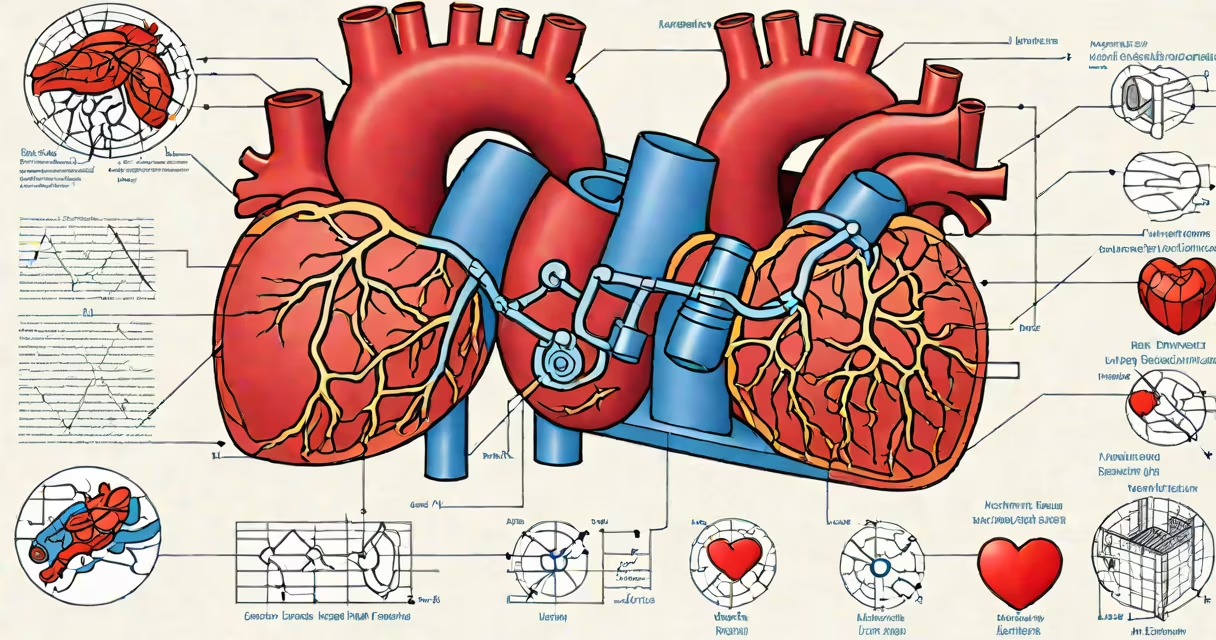
Heart failure means the heart cannot pump blood effectively to meet the body's needs. It is not a sudden stoppage of the heart, but a chronic condition where the heart muscle becomes weak or stiff, reducing its ability to circulate oxygen-rich blood.
Heart failure develops gradually. The heart may initially compensate by enlarging or beating faster, but over time, these adaptations fail. This leads to fluid buildup in the lungs, legs, and abdomen. Symptoms include shortness of breath, fatigue, swelling, and rapid weight gain.
According to the American Heart Association, about 6.2 million adults in the U.S. have heart failure, and it accounts for over 1 million hospitalizations annually. It is not the same as a heart attack, though both involve heart disease. A heart attack damages heart tissue due to blocked blood flow; heart failure results from long-term strain or damage that impairs pumping function.
The heart has four chambers: two atria and two ventricles. The left ventricle pumps oxygenated blood to the body. When it weakens, blood backs up into the lungs, causing pulmonary congestion. This is called systolic heart failure - the heart doesn't contract forcefully enough.
Diastolic heart failure occurs when the left ventricle becomes stiff and cannot fill properly during relaxation. Blood pools in the lungs and veins, leading to similar symptoms despite normal pumping strength. Both types reduce cardiac output, meaning less blood reaches important organs.
When the right side fails, blood backs up into the systemic circulation. This causes swelling in the legs, ankles, and abdomen. The liver may enlarge, and fluid can accumulate in the peritoneal cavity - a condition known as ascites. Right-sided failure often follows left-sided failure, but it can occur independently due to lung disease or pulmonary hypertension.
Heart failure is categorized by ejection fraction - the percentage of blood pumped out of the left ventricle with each beat. Ejection fraction below 40% indicates systolic dysfunction. Between 40% and 50%, it's borderline. Above 50% is preserved ejection fraction, which defines diastolic heart failure.
| Type | Ejection Fraction Range | Primary Mechanism | Common Causes |
|---|---|---|---|
| Systolic (reduced EF) | <40% | Weak contraction | Heart attacks, cardiomyopathy, long-term high blood pressure |
| Diastolic (preserved EF) | ≥50% | Stiff ventricle, poor filling | Hypertension, aging, diabetes, obesity |
High blood pressure forces the heart to work harder, thickening the muscle walls. Over decades, this leads to stiffness and reduced compliance. Diabetes damages small blood vessels in the heart, impairing nutrient delivery. Obesity increases volume load and metabolic stress. These conditions contribute to nearly 80% of heart failure cases, per the CDC.
A common misconception is that heart failure always presents with severe symptoms. In reality, many people live for years with mild signs - fatigue during light activity, occasional swelling - before seeking care. One study published in Circulation found that 30% of patients with stage B heart failure (structural heart disease but no symptoms) were unaware of their condition.
Doctors diagnose heart failure using clinical signs, imaging, and lab tests. The most accurate tool is echocardiography - an ultrasound of the heart that measures ejection fraction and assesses chamber size and wall motion.
B-type natriuretic peptide (BNP) levels help distinguish heart failure from other causes of breathlessness. Levels above 100 pg/mL suggest heart failure. A level under 100 makes it unlikely. This test is especially useful in emergency settings where quick decisions matter.
Treatment focuses on managing symptoms and slowing progression. Medications like ACE inhibitors, beta-blockers, and mineralocorticoid receptor antagonists improve survival. SGLT2 inhibitors - originally developed for diabetes - have shown a 20% reduction in heart failure hospitalization and death in large trials.
For advanced cases, implantable devices such as pacemakers or defibrillators may be needed. In select patients, left ventricular assist devices (LVADs) serve as bridges to transplant or long-term support. Transplantation remains an option for those who don't respond to medical therapy.
People often confuse heart failure with a heart attack. A heart attack is an acute event caused by a blocked artery. Heart failure is a chronic state of impaired function. You can survive a heart attack and never develop heart failure - or develop it years later.
Another misunderstanding is that heart failure means the heart stops. The heart continues beating, but inefficiently. Patients may feel weak, dizzy, or short of breath even at rest. Some report waking up gasping for air - a sign of fluid in the lungs.
There's also confusion between heart failure and arrhythmias. While both affect heart function, arrhythmias involve irregular electrical signals. Atrial fibrillation increases stroke risk and worsens heart failure, but they are distinct conditions.
I once saw a patient with persistent leg swelling and fatigue. He had normal blood pressure and no chest pain. His BNP was 850 pg/mL. An echocardiogram showed an ejection fraction of 35%. He was diagnosed with systolic heart failure. After starting medication, his symptoms improved within six weeks. This case highlights how subtle signs can mask serious underlying issues.
Heart failure means the heart cannot pump blood efficiently. It is not a single disease but a syndrome with multiple causes and presentations. Left-sided failure affects breathing; right-sided affects fluid retention. Diagnosis relies on imaging, biomarkers, and symptom patterns.
Heart failure is manageable. With proper treatment, many people live active lives for years. What is heart failure mean? It means the heart is struggling to do its job - but modern medicine offers real solutions.