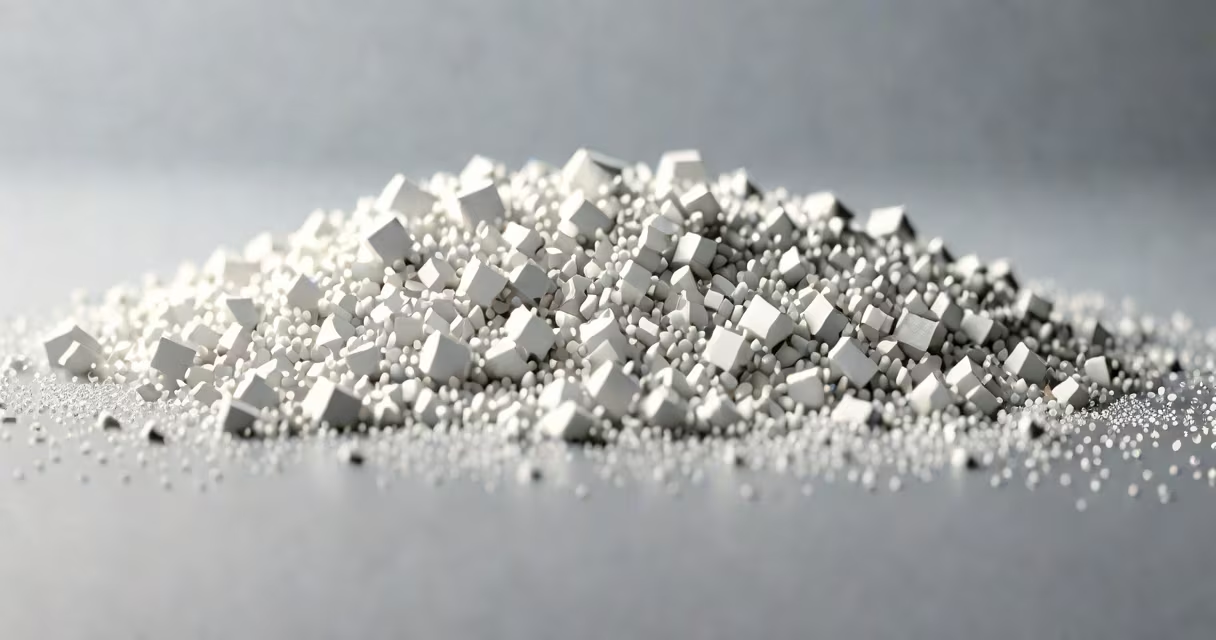
Myristic acid is a saturated fatty acid with 14 carbon atoms, commonly found in coconut oil, palm kernel oil, and animal fats. It plays a structural role in cell membranes and is widely used in personal care products for its cleansing and foaming properties.
Chemically, myristic acid is a straight-chain carboxylic acid with the formula CH₃(CH₂)₁₂COOH. It appears as a white crystalline solid at room temperature and melts at 54-56°C. This physical form makes it stable in formulations and easy to isolate during refining processes.
It is formed through the hydrolysis of triglycerides in natural oils. For example, coconut oil contains about 15-20% myristic acid by weight. When extracted, it becomes a key ingredient in soap-making due to its ability to produce a rich lather and hard bar.
In surfactant chemistry, myristic acid reacts with sodium hydroxide to form sodium myristate-a salt that acts as a detergent. This compound reduces surface tension between water and oils, allowing dirt and sebum to be lifted from the skin.
Its effectiveness stems from its chain length. A 14-carbon chain provides balance between solubility and hydrophobicity. Chains shorter than 12 carbons dissolve too easily in water; longer chains become less soluble and harder to rinse off.
When used in shampoos and facial cleansers, sodium myristate helps remove excess oil without stripping the skin's natural barrier. However, high concentrations can cause dryness, especially in people with sensitive skin.
Myristic acid occurs naturally in several plant and animal sources. The highest concentrations come from tropical oils:
| Source | Myristic Acid Content (%) | Primary Use |
|---|---|---|
| Coconut oil | 15-20% | Soap, cosmetics, food |
| Palm kernel oil | 18-22% | Industrial soaps, detergents |
| Beef tallow | 8-12% | Food processing, candle wax |
| Butterfat | 3-5% | Dairy products, margarine |
While coconut oil is often cited as a primary source, it's not the most concentrated. Palm kernel oil contains higher levels, though it's less common in consumer products due to environmental concerns around deforestation.
Some synthetic versions are produced via chemical synthesis for industrial applications. These are chemically identical but lack the minor co-factors found in natural extracts.
Myristic acid is frequently used in skincare and haircare products. In face washes, it helps maintain pH stability and prevents microbial growth. In conditioners, it coats the hair shaft to reduce frizz and improve manageability.
A common confusion is equating myristic acid with lauric acid. Both are saturated fatty acids with similar chain lengths-lauric acid has 12 carbons, myristic has 14. They differ in melting point and biological activity. Lauric acid has stronger antimicrobial effects, while myristic acid excels in foam stability.
Another misconception is that myristic acid is harmful because it's saturated. While excessive intake of saturated fats may raise LDL cholesterol, moderate consumption from whole foods like coconut oil is not linked to increased cardiovascular risk in controlled studies. According to the American Heart Association, replacing saturated fats with unsaturated ones reduces heart disease risk-but complete elimination is not necessary.
To illustrate how myristic acid functions, consider making a handmade soap using 100 grams of coconut oil. This oil contains approximately 18 grams of myristic acid. When combined with 20 grams of sodium hydroxide (lye), the saponification reaction produces sodium myristate and glycerol.
The resulting soap has a firm texture, produces a dense lather, and rinses cleanly. Its hardness comes from the long-chain saturated fatty acids, including myristic and lauric acid. Without them, the soap would be soft and prone to melting in water.
I once formulated a batch of castile-style soap using only coconut oil. After curing for six weeks, the bars retained their shape well and lasted longer than those made with olive oil alone. The presence of myristic acid was critical to achieving this durability.
Natural myristic acid derived from coconut oil contains trace amounts of other fatty acids such as palmitic and oleic acid. These co-factors influence the final product's performance. Synthetic myristic acid, while pure, lacks these subtle interactions.
For example, in a study published in the Journal of Surfactants and Detergents, researchers found that natural myristic acid improved foam stability in shampoos by 12% compared to synthetic versions. The reason lies in the presence of minor components that affect micelle formation.
This difference matters in products where sensory quality is key. Consumers may not detect the variation, but trained assessors can distinguish between the two in blind tests.
Myristic acid is a saturated fatty acid that contributes to the structure and function of both biological systems and consumer products. Found in coconut oil, palm kernel oil, and animal fats, it serves as a base for soaps, cosmetics, and food additives. Its role extends beyond cleaning-it supports skin health and enhances formulation stability.
Understanding what is myristic acid helps clarify its place in everyday items. It is not inherently dangerous, nor is it a miracle ingredient. Its value lies in its predictable behavior and compatibility with other compounds. For those concerned about dietary intake, moderation is advised, but eliminating it entirely offers no proven benefit.