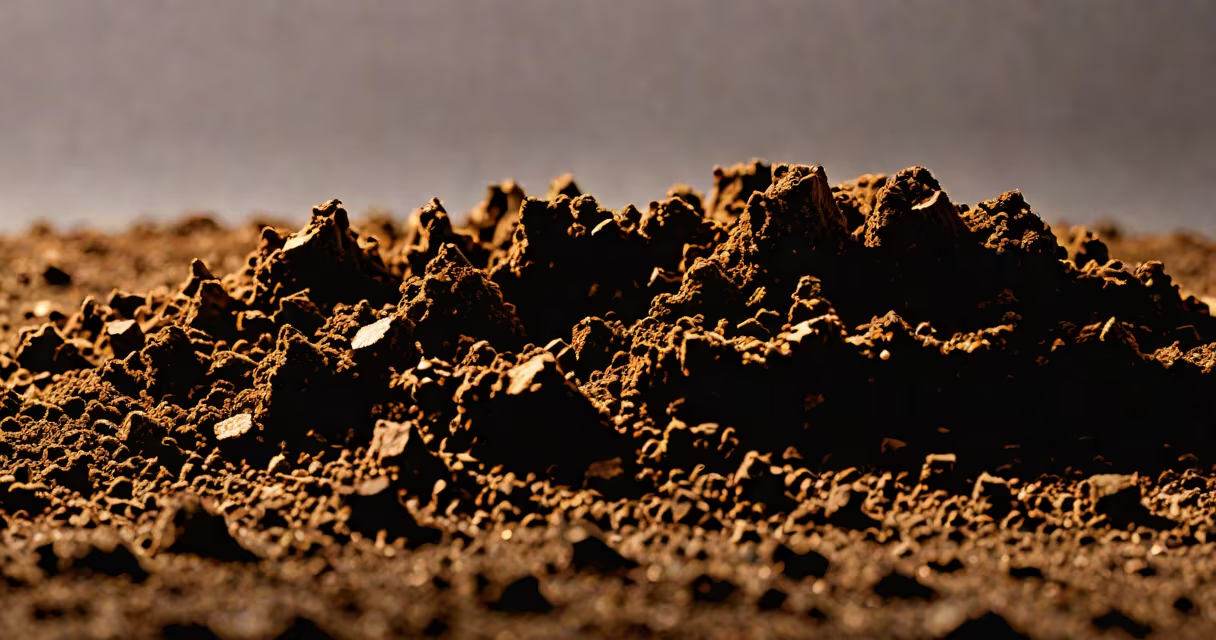
Soil pollution occurs when hazardous chemicals, heavy metals, or synthetic compounds accumulate in the ground to levels that harm living organisms, degrade system function, and endanger human health. It results from improper disposal of waste, excessive pesticide use, industrial runoff, and mining activities.
Contaminated soil can no longer support healthy plant growth or sustain microbial life. The U.S. Environmental Protection Agency (EPA) identifies soil pollution as a major contributor to land degradation, affecting over 33% of global soils according to the Food and Agriculture Organization (FAO).
When pollutants enter the soil, they move through layers via leaching, wind dispersion, or root uptake. Water-soluble toxins like nitrates and cadmium travel downward with rainwater, reaching groundwater supplies. Persistent organic pollutants such as polychlorinated biphenyls (PCBs) bind tightly to soil particles and remain for decades.
Microorganisms that normally break down organic matter fail under high toxin loads. This slows decomposition, reduces nutrient cycling, and creates dead zones in farmland. A study published in Environmental Science & Technology found that soils near industrial sites had 60% lower microbial diversity than nearby uncontaminated areas.
Soil pollution arises from multiple sources, each introducing distinct contaminants:
| Type | Common Pollutants | Primary Sources | Impact Example |
|---|---|---|---|
| Industrial Waste | Cadmium, lead, mercury, PCBs | Factories, smelters, electronic recycling | Lead levels in urban gardens exceeded EPA safety limits by 4x in Detroit (2021 study) |
| Agricultural Chemicals | Nitrate fertilizers, DDT, glyphosate | Farm runoff, pesticide application | High nitrate levels in California's Central Valley reduced crop yields by 15% |
| Urban Runoff | Oil residues, road salt, microplastics | Storm drains, vehicle emissions | Microplastics detected in 90% of urban soil samples in Berlin (2022) |
| Improper Waste Disposal | Heavy metals, solvents, medical waste | Landfills, illegal dumping | Leachate from unlined landfills contaminated 12 km² of farmland in India |
Each pollutant behaves differently. For example, lead binds strongly to clay particles and stays in place, while nitrates dissolve easily and migrate rapidly into aquifers. This affects both remediation methods and risk assessment.
Soil pollution undermines food security. Contaminated soil transfers toxins to crops. The World Health Organization (WHO) warns that consuming vegetables grown in polluted soil increases cancer risk due to heavy metal accumulation. In China, over 20% of grain samples tested positive for cadmium above safe thresholds.
It also damages biodiversity. A 2020 study in Nature Geoscience showed that soil pollution reduced earthworm populations by 70% in affected regions, disrupting natural aeration and nutrient mixing.
Humans are exposed through direct contact, inhalation of dust, or consumption of contaminated food. Children playing in yards near old factories face higher risks of developmental delays due to lead exposure. The CDC reports that blood lead levels in children near industrial zones are twice those in rural areas.
Soil pollution is not limited to visibly dirty or foul-smelling land. Many contaminants are odorless and colorless. A field may appear fertile but contain dangerous levels of arsenic or uranium from historical mining.
Some assume that natural processes always clean up pollution. That's false. While microbes can degrade certain organics, they cannot break down persistent pollutants like dioxins or polyethylene. These substances remain in soil for hundreds of years.
Another error is equating soil pollution with erosion. Erosion removes topsoil but doesn't necessarily introduce toxins. A field stripped of soil by wind or water may still have clean underlying layers. Conversely, soil can be heavily contaminated even if it appears intact.
I once monitored a farm in Iowa where soil tests revealed elevated levels of atrazine-a herbicide banned in the EU-despite no recent applications. The chemical had leached from a neighboring field over five years. This shows contamination can persist long after the source stops.
Preventing soil pollution begins with proper waste handling. Industries must treat effluents before discharge. Farmers should follow integrated pest management (IPM) guidelines to reduce chemical inputs. Urban planners must design stormwater systems that filter runoff before it reaches soil.
Remediation techniques include phytoremediation (using plants to absorb toxins), bioremediation (using bacteria to break down pollutants), and soil washing (removing contaminants with chemical solutions). Phytoremediation using sunflowers removed 90% of lead from test plots in Ukraine within two growing seasons.
Regulatory frameworks exist globally. The European Union's Soil Structure Directive sets binding targets for soil protection. In the U.S., the Superfund program funds cleanup of hazardous waste sites, including those with soil contamination.
Understanding what is soil pollution helps identify risks early. Regular soil testing, especially in industrial zones and farmland, prevents long-term damage. Monitoring programs using satellite imagery and sensor networks now detect changes in soil composition faster than ever before.
For context on other environmental threats, see 4 types of pollution.