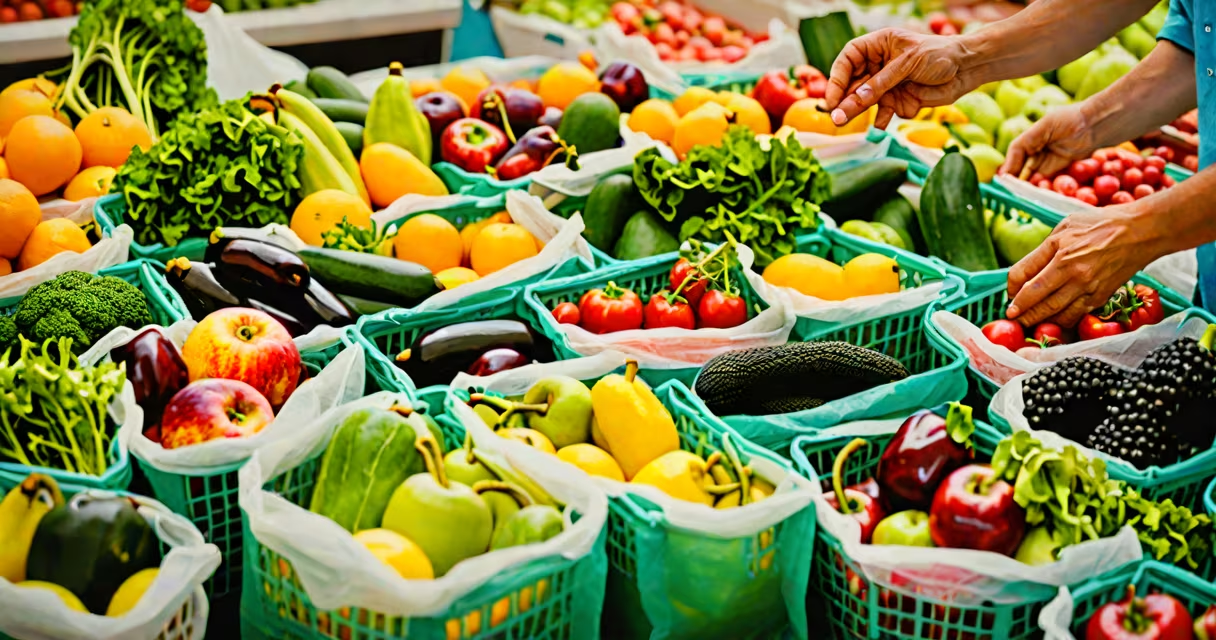
Sustainable consumption is the practice of using goods and services in ways that meet current needs without compromising the ability of future generations to meet theirs. It emphasizes mindful choices that reduce environmental degradation, conserve resources, and support equitable economic systems.
This concept operates on three core principles: environmental protection, social equity, and economic viability. It rejects the idea that endless growth is compatible with finite planetary boundaries. Instead, it promotes efficiency, durability, and reuse-prioritizing quality over quantity and long-term value over instant gratification.
The United Nations defines sustainable consumption as "the use of services and related products which respond to basic needs and bring a better quality of life while minimizing the use of natural resources, toxic materials, and emissions of waste and pollutants over their life cycle." This structure guides global policy, including the UN's Sustainable Development Goal 12, which calls for sustainable production and consumption patterns by 2030.
Sustainable consumption shifts focus from individual purchases to systemic patterns. It involves evaluating the full lifecycle of a product-from raw material extraction to disposal-and choosing alternatives that minimize ecological harm.
For example, buying a single durable water bottle made from recycled stainless steel reduces reliance on single-use plastic bottles. Over five years, one such bottle can replace approximately 1,800 plastic bottles, cutting down on both plastic waste and fossil fuel use in manufacturing.
Consumers who adopt sustainable habits often track their carbon footprint through tools like the EPA's Carbon Footprint Calculator. A household that switches to energy-efficient appliances, buys locally sourced food, and avoids fast fashion can reduce its annual carbon emissions by up to 30%, according to research published in *Environmental Research Letters*.
Not all sustainable choices are equal. They fall into distinct categories based on impact, availability, and feasibility.
| Type | Definition | Example |
|---|---|---|
| Reduction | Minimizing use of resources and waste generation. | Using a refillable coffee cup instead of disposable ones. |
| Reuse | Extending product lifespan through multiple uses. | Donating clothes to a thrift store instead of discarding them. |
| Recycling | Processing used materials into new products. | Sorting aluminum cans for curbside recycling programs. |
| Regenerative | Supporting systems that restore ecosystems. | Purchasing organic cotton grown using soil-building practices. |
Among these, reduction is the most effective strategy. The Ellen MacArthur Foundation reports that reducing consumption by 20% can cut greenhouse gas emissions by nearly 15% in high-income countries-more than doubling the impact of recycling alone.
Many people assume sustainable consumption requires extreme lifestyle changes or high costs. This is false. While some sustainable options are pricier upfront, they often save money over time due to longevity and lower maintenance.
For instance, LED light bulbs cost about $5 each but last 25,000 hours-compared to 1,000 hours for incandescent bulbs. Replacing ten 60-watt incandescent bulbs with LEDs saves roughly $120 in electricity over five years, according to the U.S. Department of Energy.
A common confusion is equating sustainability with "natural" or "organic." Not all natural products are environmentally safe. Palm oil, for example, is derived from a natural plant but drives deforestation when produced unsustainably. The Rainforest Alliance certifies palm oil that meets strict ecological and labor standards-proof that certification matters more than labeling alone.
In 2021, I replaced my entire kitchen's disposable plastic wrap and zip-top bags with reusable beeswax wraps and silicone containers. After six months, I had eliminated 42 plastic items from my waste stream. The initial investment was $45, but the savings on replacement supplies added up to $28 over the year.
More, the habit changed my shopping behavior. I began planning meals around seasonal produce, buying in bulk to reduce packaging, and choosing brands with transparent supply chains. These small shifts compounded into measurable reductions in my household's environmental impact.
According to a 2022 study by the University of Michigan, households that adopted sustainable consumption behaviors reduced their average monthly waste by 37% and lowered their grocery bills by 12% within 18 months.
Sustainable consumption isn't just personal responsibility-it's a structural necessity. Global demand for resources has outpaced Earth's regenerative capacity since the 1970s, according to the Global Footprint Network. In 2023, humanity used the equivalent of 1.7 Earths' worth of biocapacity annually.
When consumers consistently choose low-impact products, they signal to manufacturers that sustainability drives market demand. Companies like Patagonia and Unilever have shifted business models toward circular design because of sustained consumer pressure. Patagonia's Worn Wear program, which repairs and resells used clothing, has diverted over 1 million garments from landfills since 2013.
Policy frameworks reinforce individual action. The European Union's Single-Use Plastics Directive bans certain items like plastic cutlery and straws starting in 2021. Such regulations create conditions where sustainable consumption becomes easier, not harder.
Understanding what is sustainable consumption allows individuals to act with clarity and purpose. It's not about perfection-it's about progress. Every purchase is a vote for the kind of world we want to live in.