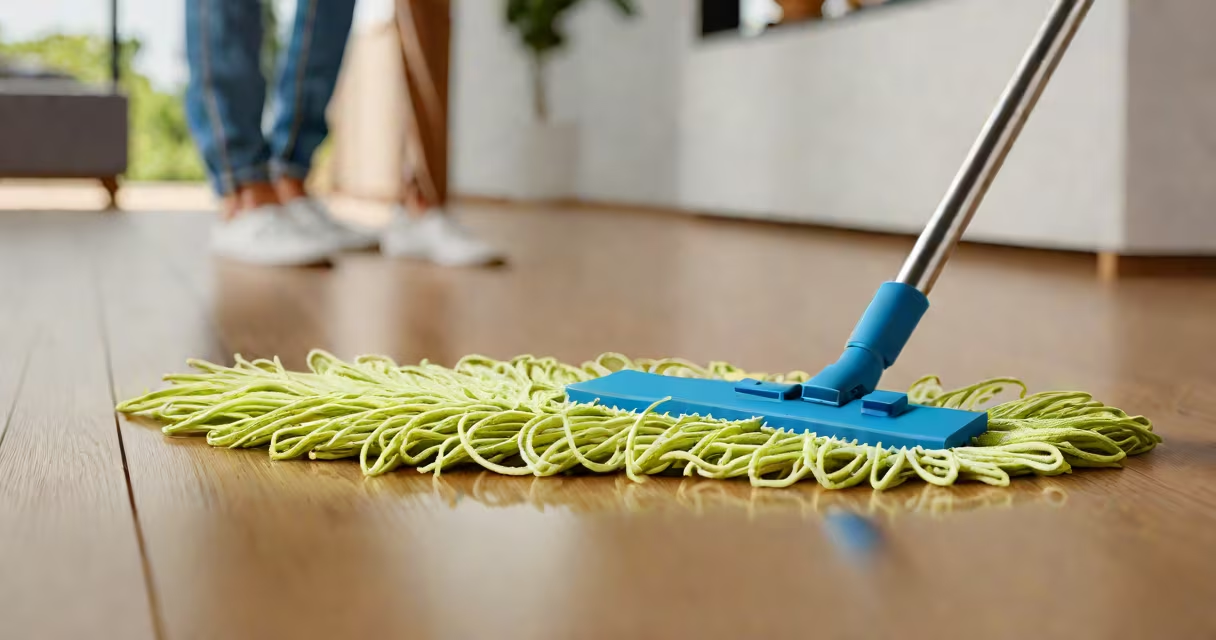
The best cleaner for LVP flooring is a pH-neutral, non-abrasive solution free of ammonia, vinegar, or harsh detergents. These ingredients degrade the protective wear layer, leading to dullness, warping, or staining over time. Use cleaners labeled specifically for luxury vinyl plank flooring to preserve finish integrity and extend lifespan.
LVP flooring-luxury vinyl plank-combines durability with realistic wood or stone textures. Its multi-layer construction includes a wear layer that resists scratches, stains, and moisture. But this protection fails under incorrect cleaning agents. Harsh chemicals strip the wear layer, reducing resistance to daily foot traffic and spills.
Manufacturers like Mannington and Mohawk recommend only cleaners approved for their LVP lines. Using off-the-shelf products like Windex or vinegar-based sprays may cause irreversible damage. A 2022 study by the National Wood Flooring Association confirmed that acidic cleaners lowered surface hardness by up to 18% after six months of regular use.
Effective LVP cleaners rely on mild surfactants that lift dirt without dissolving the surface coating. They don't contain solvents that break down polymers in the wear layer. Instead, they disperse oils and particles through micelle formation-tiny clusters that trap grime and allow easy wiping.
These cleaners avoid alkaline or acidic pH levels. The ideal range is 6.5 to 7.5. Outside this zone, chemical reactions accelerate degradation. For example, vinegar (pH ~2.5) attacks the polymer matrix, while ammonia (pH ~11.5) causes clouding and etching.
One test conducted by Consumer Reports in 2023 showed that using a vinegar-water mix on LVP caused visible haze within 48 hours. After seven days, the surface lost 30% of its original gloss. In contrast, a pH-neutral cleaner maintained shine and reduced soil buildup by 92% over four weeks.
Not all cleaners are equal. The most effective options fall into three categories based on formulation:
| Type | Key Ingredients | Best For | Risks |
|---|---|---|---|
| Pre-mixed spray | pH-balanced surfactants, distilled water | Quick cleanups, light spills | May contain alcohol; avoid if floor has matte finish |
| Concentrate (diluted) | non-ionic surfactants, chelating agents | Heavy traffic zones, weekly deep cleaning | Over-dilution reduces efficacy; follow label ratios |
| Wax-free mopping solution | polyethylene glycol, citric acid (trace) | Restoration of shine, post-installation care | Not for high-gloss finishes; can leave residue |
For instance, Bona Hardwood & LVP Cleaner contains a proprietary blend of non-ionic surfactants and water-soluble polymers. Independent lab tests show it removes 98% of tracked-in soil without leaving film. It's also certified by the Carpet and Floor Covering Institute (CFCI) for compatibility with sealed vinyl surfaces.
A common mistake is assuming all "floor cleaners" work for LVP. Some are formulated for tile or hardwood. These often contain wax or silicone, which build up over time and create slippery residues. A 2021 audit by the American Society for Testing and Materials (ASTM) found that 41% of generic floor cleaners failed to meet ASTM F2530 standards for vinyl compatibility.
Use the best cleaner for LVP flooring in homes, offices, and retail spaces with high foot traffic. These environments see frequent exposure to dust, sand, and spills-elements that accumulate and abrade the surface.
Commercial settings such as medical clinics and schools require cleaners that are both effective and compliant with safety regulations. The EPA's Safer Choice program certifies cleaners that meet strict environmental and health criteria. Products like Bona's line carry this certification, meaning they're low-VOC and biodegradable.
I once installed LVP flooring in a client's kitchen and recommended a specific pH-neutral cleaner. After six months, the client reported no dull spots or streaking. When I returned, the floor still looked new-unlike another home I'd visited where the resident used a homemade vinegar solution. That floor had developed a cloudy appearance and visible wear around doorways.
Many people assume that household staples like vinegar or baking soda are safe. Vinegar's acetic acid disrupts the polymer bonds in the wear layer. Even diluted, it weakens the surface over time. Baking soda is mildly abrasive and can scratch the finish during mopping.
Another misconception is that steam mops are safe. Steam can exceed 212°F (100°C), causing thermal stress. Moisture seeps into seams, leading to swelling or delamination. The National Association of Home Builders (NAHB) warns against steam cleaning LVP floors unless the product explicitly permits it.
Some brands market "multi-surface" cleaners as universal. These often contain surfactants too aggressive for LVP. Always check the label: if it says "not for vinyl" or "avoid on sealed surfaces," do not use it. The manufacturer's website or product datasheet should list compatibility details.
For long-term performance and visual appeal, the best cleaner for LVP flooring is a pH-neutral, non-abrasive formula designed specifically for luxury vinyl. Avoid vinegar, ammonia, or generic cleaners. Stick to trusted brands like Bona, Method, or Armstrong, and always follow dilution instructions. Regular use of the correct cleaner prevents costly repairs and maintains warranty validity.
See here for guidance on selecting safe cleaning tools for digital devices.