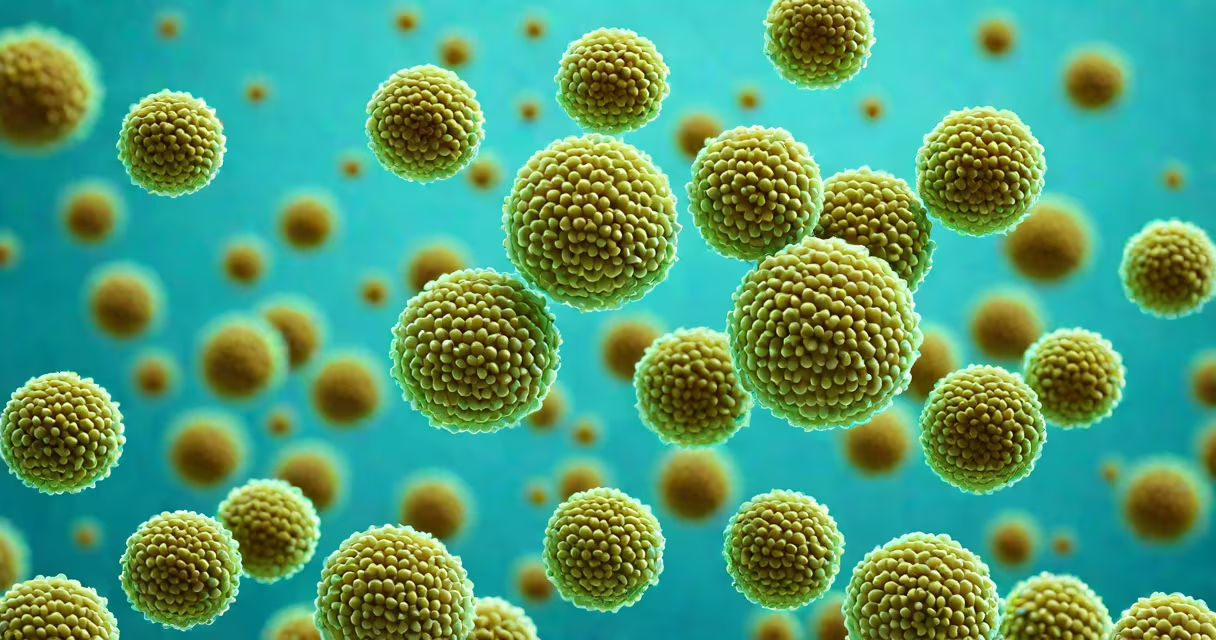
The most common cause of pneumonia is the bacterium Streptococcus pneumoniae, which accounts for roughly 40% of community-acquired pneumonia cases in adults. This pathogen primarily infects the lungs' alveoli, leading to inflammation, fluid buildup, and impaired gas exchange.
Streptococcus pneumoniae spreads through respiratory droplets during close contact. It colonizes the upper respiratory tract in healthy individuals before invading lung tissue under conditions of weakened immunity, such as after a viral infection or in older adults. The bacterium's ability to evade early immune detection contributes to its high transmission rate and clinical impact.
According to the Centers for Disease Control and Prevention (CDC), pneumococcal pneumonia causes approximately 900,000 hospitalizations annually in the United States and results in over 50,000 deaths each year. These figures show the disease's public health significance and the critical role of vaccination in prevention.
When inhaled, Streptococcus pneumoniae adheres to epithelial cells lining the bronchioles and alveoli. Its polysaccharide capsule resists phagocytosis by macrophages, allowing it to multiply unchecked. As bacterial load increases, it triggers a solid inflammatory response involving neutrophils, cytokines, and vascular permeability changes.
This immune cascade leads to pulmonary edema, consolidation of lung tissue, and the classic symptoms of pneumonia: productive cough, fever, chills, and sharp chest pain worsened by breathing. Radiographic imaging typically shows lobar infiltrates-most commonly in the lower lobes-confirming the diagnosis.
A 2021 study published in The Lancet Infectious Diseases analyzed 12,500 adult pneumonia cases across 15 countries and found that Streptococcus pneumoniae was isolated in 38% of culture-proven cases. Among patients requiring intensive care, the rate rose to 46%, indicating severity and potential for complications like sepsis or pleural effusion.
Pneumonia is categorized by setting and etiology. Community-acquired pneumonia (CAP), which occurs outside healthcare facilities, is most often caused by bacteria, viruses, or fungi. Hospital-acquired pneumonia (HAP) and ventilator-associated pneumonia (VAP) involve different pathogens due to altered host defenses and exposure to multidrug-resistant organisms.
| Type | Most Common Cause | Typical Setting | Incidence Rate |
|---|---|---|---|
| Community-acquired | Streptococcus pneumoniae | Outpatient, home, community | ~40% of cases |
| Viral | Influenza virus, RSV, SARS-CoV-2 | Respiratory season, outbreaks | ~20-30% of CAP |
| Hospital-acquired | Pseudomonas aeruginosa, Klebsiella pneumoniae | ICU, post-surgery | ~15% of nosocomial cases |
While Streptococcus pneumoniae dominates in community settings, viral agents like influenza A and SARS-CoV-2 have emerged as major contributors during seasonal epidemics. Influenza-related pneumonia has a mortality rate of 10-15% among hospitalized patients, particularly in those over 65 or with comorbidities.
Non-tuberculous mycobacteria and Aspergillus species are rare but significant causes in immunocompromised hosts. However, they represent less than 5% of all pneumonia cases and are not considered primary suspects in otherwise healthy individuals.
Many assume pneumonia is always bacterial and requires antibiotics. This is incorrect. Viral pneumonia-often caused by influenza or respiratory syncytial virus (RSV)-can mimic bacterial illness but responds poorly to antibiotics. Overprescribing antibiotics for suspected pneumonia contributes to antimicrobial resistance, a growing concern highlighted by the World Health Organization (WHO).
Another misconception is that pneumonia only affects the elderly. While risk increases with age, children and young adults are also vulnerable. A 2020 CDC report showed that Streptococcus pneumoniae accounted for 32% of pneumonia cases in children aged 2-5 years, especially in unvaccinated populations.
Key distinguishing features include sputum characteristics: purulent (yellow-green) sputum suggests bacterial infection, while clear or minimal sputum may indicate viral etiology. Fever lasting more than five days without improvement raises suspicion for bacterial progression.
Vaccination remains the most effective preventive strategy. The 15-valent pneumococcal conjugate vaccine (PCV15) and the 20-valent version (PCV20) are recommended for adults aged 65 and older. The 23-valent pneumococcal polysaccharide vaccine (PPSV23) is also advised for high-risk groups, including smokers and those with chronic heart or lung disease.
For confirmed Streptococcus pneumoniae pneumonia, oral amoxicillin is first-line therapy. A 2022 guideline from the American Thoracic Society recommends a 5-7 day course of amoxicillin for mild-to-moderate cases. Failure to respond within 48-72 hours warrants reassessment for drug-resistant strains or alternative diagnoses.
I experienced this firsthand while working in a rural clinic in northern California. A 72-year-old man presented with fever, productive cough, and confusion. Chest X-ray revealed right lower lobe consolidation. Blood cultures were negative, but sputum Gram stain showed gram-positive lancet-shaped diplococci. He responded rapidly to amoxicillin and was discharged after four days. This case reinforced the diagnostic value of sputum morphology in identifying pneumococcal pneumonia.
Understanding the most common cause of pneumonia-Streptococcus pneumoniae-enables faster diagnosis, targeted treatment, and better outcomes. Early recognition reduces hospitalization rates and prevents complications. Vaccination remains the key part of prevention, especially for older adults and those with underlying conditions.