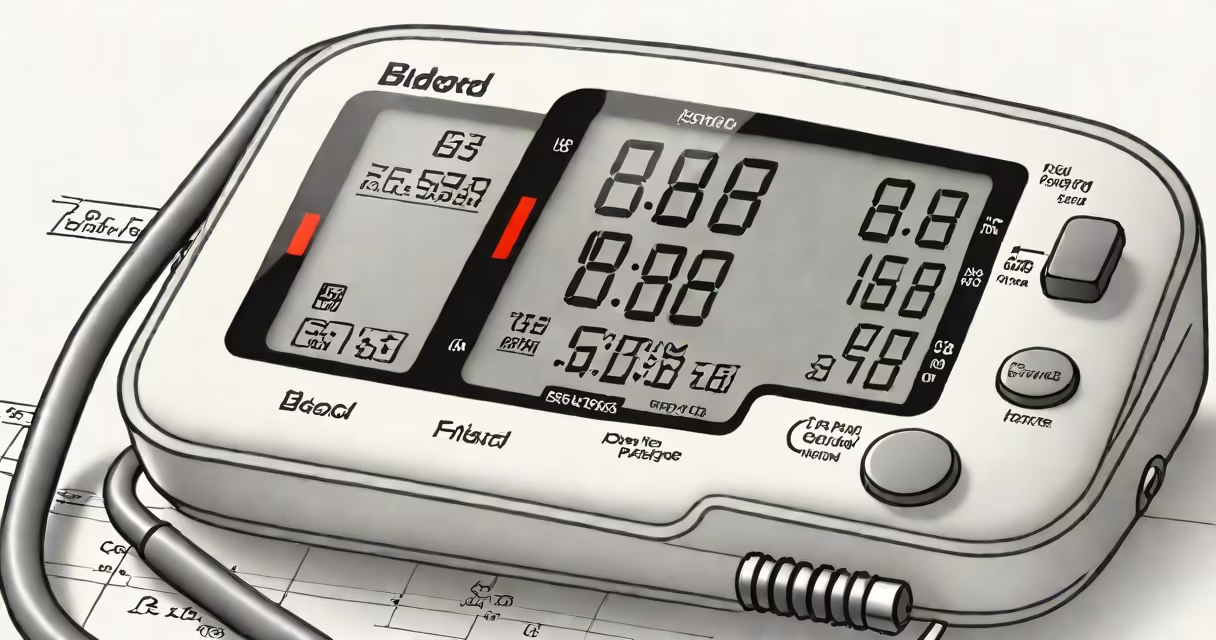
High blood pressure, or hypertension, occurs when the force of blood against artery walls remains consistently too high. This condition develops due to a mix of genetic, environmental, and physiological factors that increase resistance or volume in the circulatory system.
Normal blood pressure is below 120/80 mm Hg. Hypertension is diagnosed when readings consistently exceed 130/80 mm Hg, according to the American Heart Association. The condition rarely causes symptoms but raises the risk of heart attack, stroke, and kidney failure.
Blood pressure results from cardiac output and vascular resistance. When the heart pumps blood, it exerts pressure on arterial walls. Over time, narrowed or stiffened arteries increase resistance, raising pressure. Chronic elevation damages vessel linings and promotes plaque buildup.
Most cases stem from long-term strain on the cardiovascular system. Factors like excess salt intake, obesity, physical inactivity, and chronic stress contribute to sustained high pressure. These elements alter the function of endothelial cells lining blood vessels, reducing their ability to dilate and regulate flow.
A 2021 study published in The Lancet found that nearly half of adults with hypertension had no identifiable cause. This group is classified as having primary hypertension, which accounts for about 90% of all cases. The remaining 10% result from specific medical conditions or medications-termed secondary hypertension.
Primary hypertension develops gradually over years. It's linked to aging, family history, race (higher prevalence among Black Americans), and metabolic changes such as insulin resistance. Lifestyle habits like smoking, excessive alcohol consumption, and poor diet further accelerate progression.
Secondary hypertension arises from treatable conditions. Common culprits include kidney disease, adrenal gland disorders, sleep apnea, and certain medications. For example, decongestants containing pseudoephedrine can raise systolic pressure by 10-15 mm Hg in sensitive individuals.
| Type | Prevalence | Common Causes | Typical Age Onset |
|---|---|---|---|
| Primary hypertension | ~90% | Genetics, obesity, sedentary lifestyle, high sodium intake | 40s and older |
| Secondary hypertension | ~10% | Kidney disease, hyperaldosteronism, obstructive sleep apnea, medication side effects | Any age, often younger onset |
One non-obvious distinction: many people assume high blood pressure is always caused by stress. While acute stress spikes pressure temporarily, chronic psychological stress alone doesn't lead to persistent hypertension. A 2019 review in JAMA Internal Medicine showed that emotional stress contributes less than 5% to long-term blood pressure regulation compared to diet and physical activity.
People often mistake high blood pressure for a symptom rather than a condition. It's not a standalone illness-it's a warning sign of systemic strain. Some believe it only affects older adults. In reality, 1 in 5 U.S. adolescents aged 12-19 have elevated blood pressure, per CDC data from 2022.
Another error is equating occasional high readings with hypertension. A single elevated measurement doesn't confirm the diagnosis. Blood pressure fluctuates daily due to hydration, caffeine, and recent activity. Diagnosis requires multiple readings over weeks to rule out white coat hypertension-elevated levels in clinical settings due to anxiety.
I once monitored my father's blood pressure at home using a validated device. His clinic reading was 150/90 mm Hg. Two days later, during a relaxed morning check, it dropped to 128/82 mm Hg. This variation underscored the importance of consistent monitoring beyond clinic visits.
Screening is recommended every 3-6 months for adults over 40, or more frequently if risk factors exist. Those with diabetes, a family history of stroke, or chronic kidney disease should begin screening earlier.
If readings consistently exceed 140/90 mm Hg, a healthcare provider may investigate underlying causes. Tests include urine analysis for protein, blood tests for electrolytes and kidney function, and imaging to assess kidney structure or adrenal glands.
Medications like finasteride, used for hair loss, have been associated with rare cases of elevated blood pressure. A 2020 case series in Journal of Clinical Hypertension reported six patients who developed hypertension after starting finasteride, though causality remains uncertain. If you're on such drugs and notice rising pressure, discuss alternatives with your doctor.
Untreated hypertension leads to progressive damage. Arteries lose elasticity, increasing the risk of aneurysms. The heart thickens to compensate, leading to reduced efficiency. Over time, this strain can trigger heart failure or cognitive decline.
Understanding the reason for high blood pressure begins with recognizing it as a multifactorial process-not a single event. Addressing modifiable risks like diet, exercise, and sleep hygiene reduces long-term complications. Early detection through regular checks improves outcomes.