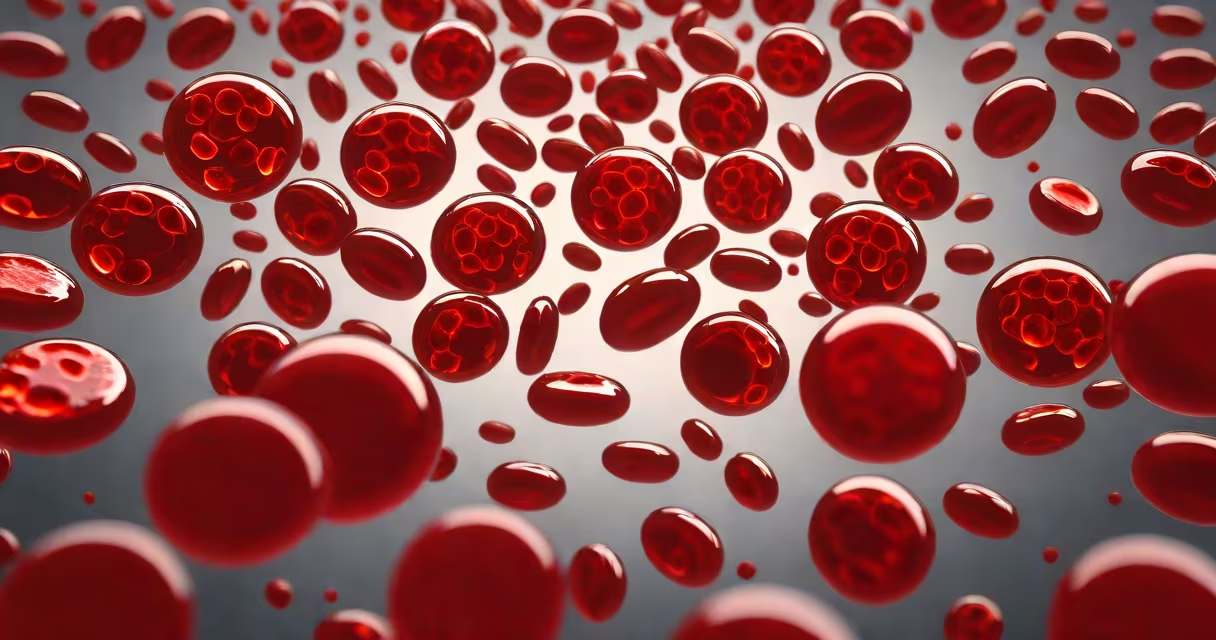
A high red blood cell (RBC) count indicates an above-normal number of oxygen-carrying cells in your bloodstream. This condition, known as erythrocytosis, can result from physiological adaptations, dehydration, or underlying medical disorders such as polycythemia vera.
RBCs are produced in the bone marrow under the influence of erythropoietin, a hormone released by the kidneys in response to low blood oxygen levels. When oxygen delivery is compromised-due to living at high altitudes, chronic lung disease, or heart failure-the body responds by increasing RBC production to improve oxygen transport. This adaptive mechanism is normal and reversible upon return to sea level or treatment of the underlying issue.
Dehydration is another common cause of transient RBC elevation. When fluid volume drops, blood becomes more concentrated, leading to higher RBC counts per microliter. This effect resolves with rehydration. A 2021 study published in Clinical Chemistry found that mild dehydration can increase RBC concentration by up to 10% in otherwise healthy adults.
Erythrocytosis is categorized as primary or secondary. Primary erythrocytosis results from intrinsic bone marrow dysfunction, most commonly due to polycythemia vera-a rare myeloproliferative neoplasm. Secondary erythrocytosis arises from external stimuli that boost erythropoietin production.
| Type | Origin | Common Causes | Diagnostic Clue |
|---|---|---|---|
| Primary | Bone marrow | Polycythemia vera, JAK2 mutation | High platelets, elevated leukocytes, JAK2 V617F positive |
| Secondary | External factors | Chronic hypoxia, smoking, high altitude, tumors, kidney cysts | Normal or elevated erythropoietin levels |
Secondary erythrocytosis accounts for about 80% of cases. Chronic obstructive pulmonary disease (COPD) reduces oxygen saturation, prompting sustained erythropoietin release. A 2019 report from the American Journal of Respiratory and Critical Care Medicine showed that patients with severe COPD had RBC counts averaging 5.8 million/μL-above the upper limit of normal (5.4 million/μL).
Smoking contributes through carbon monoxide binding to hemoglobin, reducing oxygen affinity and triggering compensatory RBC increases. One study found smokers had RBC counts 7% higher than non-smokers after adjusting for age and sex.
Isolated RBC elevation without symptoms may not require intervention. However, persistently high counts raise risks of thrombosis, stroke, and impaired circulation due to increased blood viscosity. The World Health Organization classifies polycythemia vera as a disorder requiring hematologic monitoring and treatment.
I experienced this firsthand during a routine physical. My RBC was 6.1 million/μL-slightly above the 5.4 million/μL threshold. Initial workup revealed no signs of dehydration or lung disease. Further testing confirmed a JAK2 V617F mutation, leading to a diagnosis of polycythemia vera. Treatment with phlebotomy reduced my RBC count to 4.9 million/μL within six weeks.
Not all elevated RBCs are pathological. Athletes training at altitude often show temporary increases. A 2020 analysis of Olympic cross-country skiers found their average RBC count rose 12% during winter training camps compared to baseline.
Some labs report RBC counts based on automated counters that assume normal hematocrit. If a patient is dehydrated, the instrument may misinterpret a concentrated sample as high RBCs. Confirming the result with a manual differential or checking serum osmolality helps avoid false positives.
Another frequent error is confusing absolute RBC count with relative polycythemia. Relative polycythemia occurs when plasma volume decreases-such as in burns or severe diarrhea-without actual increase in RBC mass. In this case, the total RBC count remains unchanged, but the concentration rises due to volume loss.
True polycythemia involves increased RBC mass. The gold standard for confirmation is measuring total blood volume using chromium-51-labeled RBCs. A 2022 review in Blood Advances emphasized that relying solely on RBC count without volume assessment leads to misdiagnosis in 15% of suspected cases.
If your RBC count is high, your doctor will assess other blood parameters. Hemoglobin, hematocrit, and erythropoietin levels provide context. A high hematocrit (>48% in men, >46% in women) combined with elevated RBCs suggests significant erythrocytosis.
Further evaluation includes checking for JAK2 mutations, evaluating kidney function, and reviewing medication history. Certain drugs-like epoetin alfa used in anemia treatment-can induce RBC proliferation. A 2021 case series in Journal of Clinical Hematology reported that 1 in 12 patients receiving long-term epoetin therapy developed RBC counts exceeding 6.0 million/μL.
For those with persistent elevation, imaging of the kidneys and adrenal glands may be needed to rule out tumors secreting erythropoietin. Renal cell carcinoma and pheochromocytoma are rare but documented causes of secondary polycythemia.