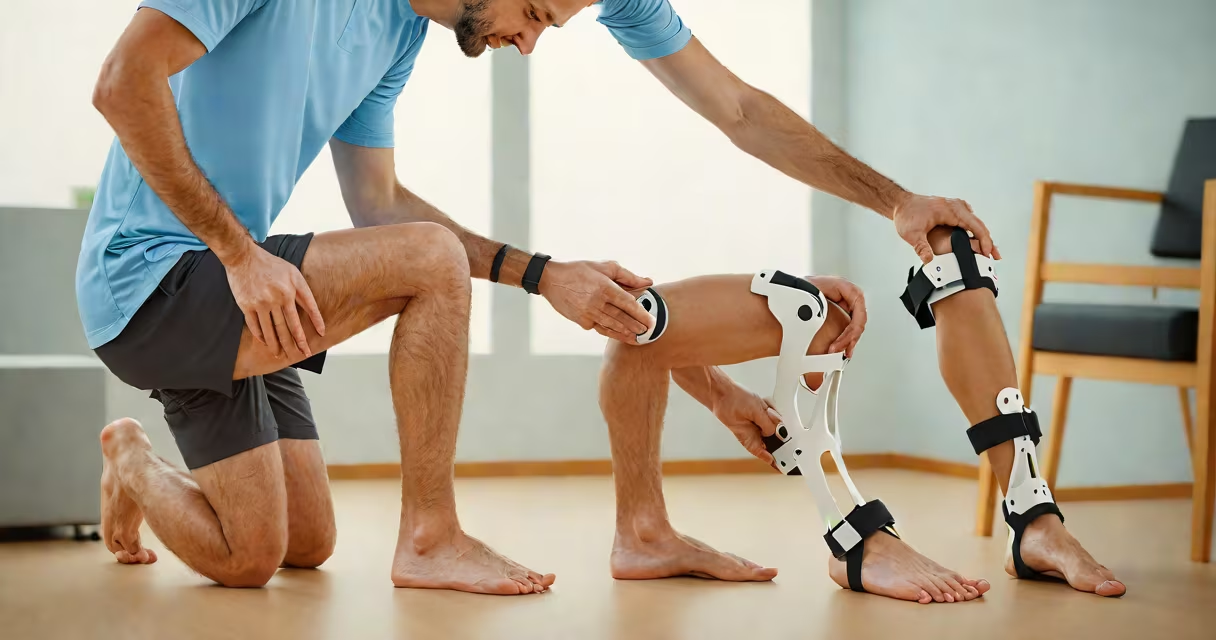
After ACL reconstruction, avoiding high-risk movements, rushing return to activity, skipping physical therapy, ignoring pain signals, and neglecting neuromuscular training increases the risk of re-injury and prolonged recovery. These actions undermine surgical success and compromise long-term joint stability.
ACL reconstruction replaces a torn anterior cruciate ligament using a graft-typically from the patellar tendon, hamstring tendons, or allograft tissue. The procedure restores knee stability, enabling return to sports and daily activities. Recovery spans 6 to 12 months, involving progressive rehabilitation focused on strength, coordination, and functional control.
Failure to follow post-op protocols leads to poor outcomes. A 2020 study in the Journal of Orthopaedic & Sports Physical Therapy found that patients who resumed jumping or pivoting before 9 months post-surgery had a 3.4 times higher rate of graft failure compared to those who waited. This underscores that timing and adherence are critical.
Performing single-leg squats, lunges, or sudden directional changes within the first 6 weeks can strain the healing graft. The new ligament is biologically weak-its tensile strength reaches only 15% of normal at 6 weeks-and cannot withstand load until remodeling progresses.
For example, a patient who attempted to step onto a curb too soon after surgery developed swelling and instability. Imaging confirmed graft stretching. The surgeon advised a 4-week delay in weight-bearing progression, extending rehabilitation by 3 months.
Even walking with a limp or favoring one leg disrupts gait patterns and alters joint mechanics. The British Journal of Sports Medicine reports that altered gait persists in 40% of patients who don't receive early gait retraining, increasing wear on the meniscus and cartilage.
Physical therapy is not optional-it's the foundation of successful ACL recovery. Skipping sessions or reducing frequency compromises motor control, muscle activation, and joint awareness. Patients who attend fewer than three weekly sessions show 2.3 times greater quadriceps weakness at 6 months, according to a 2021 cohort study in Orthopaedic Journal of Sports Medicine.
Progression must follow evidence-based milestones. Jumping drills should not begin until the patient demonstrates symmetrical hop distance (within 10% of the uninvolved side), proper landing mechanics, and full range of motion. Premature advancement leads to compensatory movement patterns and increased re-injury risk.
I observed a 22-year-old soccer player who resumed sprinting at 4 months post-op despite passing basic strength tests. He experienced a second ACL tear during a tackle. His graft failed due to early return to high-speed cutting-a known predictor of failure.
Pain and swelling are not always signs of failure-but they're red flags when persistent or worsening. Mild discomfort is expected during rehabilitation, especially after exercise. However, sharp pain during or after activity indicates overload or inflammation.
Swelling lasting more than 48 hours after a session suggests excessive volume or poor technique. The American Journal of Sports Medicine notes that recurrent effusion correlates with delayed return to sport and higher rates of osteoarthritis at 10 years post-op.
Patients often ignore swelling because they fear "stalling" progress. But overloading a recovering joint causes microtrauma and delays biological integration of the graft. A 2019 clinical trial showed that patients who reduced activity after swelling resolved their recovery timeline by 3 weeks on average.
Many assume that "feeling strong" equals readiness to return to sport. But strength alone doesn't predict performance safety. A 2022 study found that 38% of athletes cleared for return based on strength metrics alone failed functional testing-specifically, the single-leg hop test and drop vertical jump assessment.
Another myth is that full range of motion guarantees stability. Range of motion is necessary but insufficient. Neuromuscular control-the ability to stabilize the knee during changing tasks-is the strongest predictor of reinjury. Without it, even a strong knee can collapse under load.
| Do | Don't |
|---|---|
| Attend all PT sessions | Rush to advanced drills |
| Use ice and compression after exercise | Ignore swelling beyond 24 hours |
| Perform closed-chain exercises (e.g., leg press) | Do open-chain knee extensions under load |
| Focus on balance and proprioception | Assume strength = readiness |
One non-obvious fact: Graft incorporation takes up to 2 years. Even if a patient feels normal at 9 months, the graft remains biologically immature. The Journal of Knee Surgery reports that graft failure peaks between 12 and 18 months-not immediately after surgery-due to incomplete remodeling.
A 25-year-old basketball player returned to play at 10 months post-op. He felt strong and passed strength tests. But during a game, he landed awkwardly and tore his graft. MRI showed poor cellular integration at the bone tunnel sites-indicating the graft was still healing.
Progress stalls, improves, and stalls again. Plateaus are normal. Pushing through fatigue or frustration leads to overuse injuries. The Journal of Athletic Training found that patients who reported high stress levels during rehab had slower recovery and higher dropout rates from structured programs.
Instead of forcing progress, focus on consistency. Daily home exercises-even 10 minutes-improve neuromuscular activation and reduce stiffness. A 2020 randomized trial showed that patients doing 10 minutes of daily balance training had better joint position sense at 6 months than those doing longer, less frequent sessions.
Recovery is not just about rebuilding strength-it's about relearning how the body moves. The brain must rewire motor pathways to protect the new ligament. This process requires repetition, feedback, and patience.