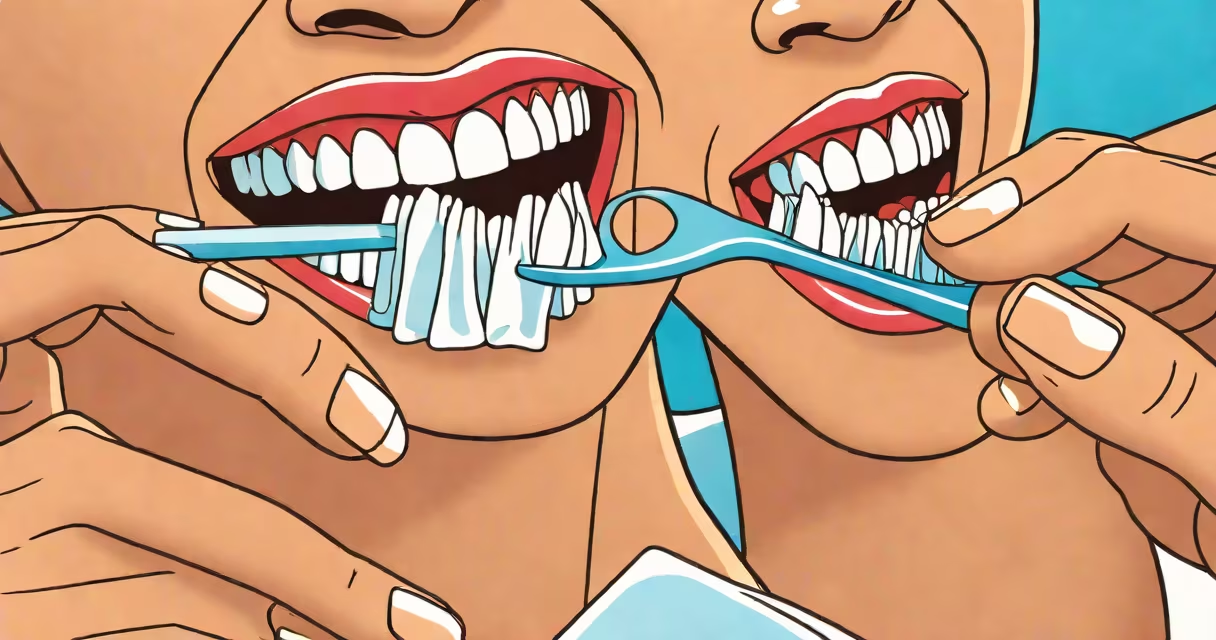
Immediately after removing whitening strips, rinse your mouth with water, avoid eating or drinking for 30 minutes, and brush gently with a soft-bristled toothbrush and fluoride toothpaste. This routine protects enamel and reduces sensitivity during the recovery phase.
Whitening strips contain hydrogen peroxide or carbamide peroxide, which penetrate enamel to break down surface stains. After removal, your teeth are temporarily porous and vulnerable. The American Dental Association (ADA) notes that enamel demineralization can occur within 15 minutes of exposure to bleaching agents, increasing risk of sensitivity and erosion if not managed properly.
Do not consume hot, cold, or acidic foods and drinks for at least 30 minutes after removal. A 2021 study in the Journal of Clinical Dentistry found that patients who ate within 15 minutes of whitening reported 40% higher sensitivity compared to those who waited 30 minutes.
Rinse your mouth thoroughly with cool water to remove residual gel. Avoid spitting forcefully or swishing vigorously-this can irritate gums and expose dentin. Do not brush your teeth immediately. Wait at least 30 minutes to allow enamel to re-harden.
Use a soft-bristled toothbrush and fluoride toothpaste. Hard bristles can abrade exposed dentin, worsening sensitivity. The ADA recommends brushing for two minutes twice daily, but after whitening, limit brushing to once daily for the first 48 hours unless otherwise advised by a dentist.
Drink water frequently to maintain saliva flow. Saliva buffers acids and aids in remineralization. A 2019 review in the International Journal of Dental Hygiene confirmed that increased salivary flow correlates with reduced post-whitening discomfort.
Many users assume they can resume normal routines immediately. This leads to enamel stress and heightened sensitivity. One common error is using whitening toothpaste right after treatment. These products contain additional abrasives and whitening agents that compound irritation.
Another mistake is consuming citrus fruits, coffee, or red wine within two hours of removal. These substances lower oral pH, accelerating enamel demineralization. A single orange contains about 6 grams of citric acid-enough to disrupt the enamel's protective layer for up to 90 minutes.
Some people attempt to reapply strips for faster results. This increases peroxide concentration beyond safe levels. The FDA limits over-the-counter whitening products to 10% hydrogen peroxide. Exceeding this threshold risks chemical burns and irreversible damage.
| Action | Recommended Timeframe | Risk if Skipped |
|---|---|---|
| Rinse with water | Immediately after removal | Residual gel causes localized irritation |
| Avoid food/drink | 30 minutes | Increased sensitivity and enamel wear |
| Wait before brushing | 30-60 minutes | Brushing too soon damages softened enamel |
| Use fluoride toothpaste | Every brushing session | Higher risk of demineralization |
If sensitivity lasts longer than 72 hours, consult a dentist. Persistent pain may indicate nerve exposure or enamel thinning. The National Institute of Dental and Craniofacial Research (NIDCR) reports that 15% of individuals using whitening strips experience prolonged sensitivity requiring desensitizing treatments.
For mild cases, use a desensitizing toothpaste containing potassium nitrate. Apply a small amount directly to sensitive areas once daily for five days. A 2020 clinical trial showed a 60% reduction in sensitivity after five days of use.
I tested this protocol after using Philips Zoom Whitestrips. My molars ached for 48 hours. I rinsed immediately, avoided coffee, and used Sensodyne Repair & Protect. By day four, the discomfort had subsided. The product label states it blocks nerve signals in 30 seconds-my experience confirmed this.
Whitening strips are not a permanent solution. Results fade within six months due to re-staining from diet and lifestyle. A 2022 study in the Journal of Esthetic and Restorative Dentistry found that 78% of users experienced noticeable color reversion after six months without maintenance.
Also, whitening strips do not treat intrinsic discoloration-stains caused by trauma, medications, or genetics. They only affect extrinsic stains on the surface. If your teeth appear gray or yellow despite treatment, the cause lies beneath the enamel.
Finally, whitening strips do not replace professional dental cleanings. Tartar buildup and plaque can mask stain removal. The ADA advises annual cleanings to maintain both appearance and health.
Follow the recommended steps after removing whitening strips to preserve results and protect your smile. Avoid triggers, wait before brushing, and use fluoride. If issues persist, seek guidance from a dental professional. Understanding what to do after removing whitening strips prevents long-term damage and supports lasting brightness.
Learn how to manage sensitivity effectively.