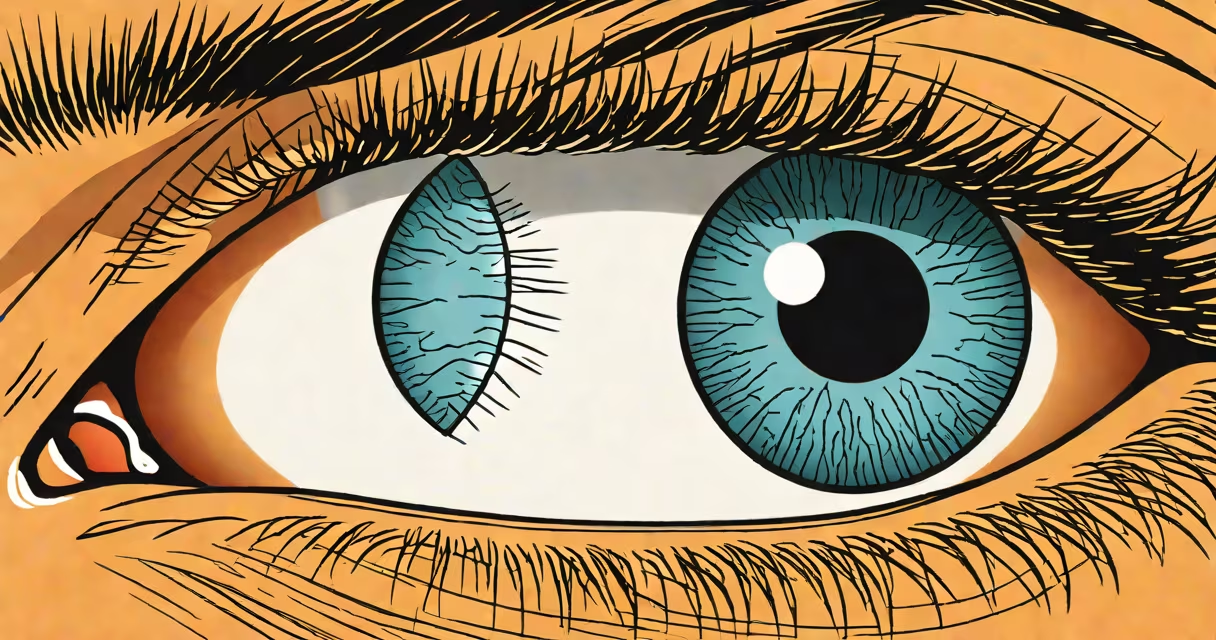
A scratched cornea, medically known as a corneal abrasion, occurs when the outer layer of the eye's transparent front surface is damaged. This injury often results from foreign objects, fingernails, or contact lenses. Symptoms include intense pain, tearing, light sensitivity, and blurred vision. Prompt action reduces risk of infection and long-term complications.
Corneal abrasions heal quickly in most cases, typically within 24 to 72 hours. The cornea contains nerve endings that make even minor scratches feel severe. Without treatment, scratches can lead to corneal ulcers or scarring, which may affect vision permanently. Immediate care focuses on preventing infection and reducing discomfort while the eye repairs itself.
According to the American Academy of Ophthalmology, corneal abrasions account for approximately 10% of all eye injuries seen in emergency departments. Most cases result from accidental trauma, such as rubbing the eye too hard or getting dust in the eye. People who wear contact lenses are at higher risk due to improper handling or extended wear.
The cornea is the clear, dome-shaped tissue covering the front of the eye. It protects the iris and pupil and helps focus light onto the retina. When the cornea's epithelium-the outermost layer-is disrupted, it exposes sensitive nerves, causing immediate pain. Even small particles like sand or eyelashes can cause damage during blinking.
Scratches occur when something physically contacts the cornea. Common causes include:
After injury, the eye responds with inflammation. Fluid builds up in the area, leading to swelling and increased sensitivity to light. This reaction is normal but can worsen discomfort. The body begins repairing the epithelium within minutes, but full regeneration takes time.
Do not rub the affected eye. Rubbing increases the risk of deeper damage or introducing bacteria. Instead, rinse the eye with sterile saline solution or clean water if a foreign object is suspected. Blinking repeatedly may help dislodge small particles.
If pain persists after rinsing, close the eye gently and avoid touching it. Apply a clean, damp cloth to the closed eye to reduce discomfort. Over-the-counter artificial tears can help lubricate the surface, but avoid products with preservatives unless labeled safe for corneal injuries.
Do not use eye drops containing decongestants or redness relievers. These can irritate the cornea further. Avoid wearing contact lenses until the eye is fully healed. The American Optometric Association warns that wearing contacts during recovery increases infection risk by up to 30%.
Seek medical attention if pain lasts more than 6 hours, vision blurs, or light sensitivity worsens. A doctor uses fluorescein dye and a blue light to detect scratches invisible to the naked eye. This test confirms the location and extent of damage.
Treatment varies based on severity. Small abrasions may require only antibiotic ointment to prevent infection. Larger or centrally located scratches often need a protective eye patch or bandage contact lens to limit movement and speed healing.
For persistent pain, doctors may prescribe short-term oral pain relievers like acetaminophen. Nonsteroidal anti-inflammatory drugs (NSAIDs) are avoided because they can slow corneal healing. Steroid drops are never used without supervision-they increase infection risk.
| Severity Level | Common Symptoms | Recommended Action |
|---|---|---|
| Minor | Mild pain, slight tearing, brief light sensitivity | Rinse with saline; monitor for 24 hours |
| Moderate | Sharp pain, blurred vision, constant tearing | See an eye doctor within 24 hours |
| Severe | Pain lasting >6 hours, vision loss, discharge | Go to urgent care or ER immediately |
One non-obvious fact: a scratched cornea can appear worse under a slit-lamp exam than it feels. Some patients report mild discomfort but show significant damage on imaging. This discrepancy underscores the need for professional evaluation-even if symptoms seem minor.
Most minor abrasions heal completely within 48 hours. During this time, avoid swimming, using makeup around the eyes, or being in dusty environments. Return to work or school is usually safe once pain resolves, but avoid activities involving eye strain.
Complications are rare but serious. Infection can develop if bacteria enter the wound. Signs include worsening pain, pus-like discharge, or fever. Corneal scarring may occur if the injury affects deeper layers. Scarring can distort vision and require surgery.
I once treated a patient who ignored a small scratch after gardening. He reported mild irritation but continued working outdoors. By day two, his vision had declined sharply. An exam revealed a corneal ulcer caused by soil bacteria. Antibiotic therapy was required for three weeks. This case illustrates why delaying care increases risk.
Many people believe that a scratched cornea will heal on its own without intervention. While small abrasions often resolve independently, untreated wounds carry a higher risk of infection and delayed healing. The National Eye Institute reports that 15% of untreated corneal abrasions progress to infection.
Another misconception is that home remedies like milk or honey can treat the injury. These substances introduce pathogens and lack clinical evidence. Only sterile solutions should be used near the eye.
Some assume that wearing sunglasses helps. While UV protection is beneficial, sunglasses don't shield against mechanical injury. They may even create a false sense of security. The best protection is avoiding eye contact with potential hazards.
Go to an emergency department if:
Emergency care includes removal of embedded objects under controlled conditions. Attempting to remove them at home risks deeper injury. After removal, antibiotics and follow-up monitoring are standard.
For those with recurring corneal issues, see an ophthalmologist. Conditions like dry eye syndrome or recurrent corneal erosion can mimic abrasions. Proper diagnosis prevents unnecessary treatments.
Understanding what to do about a scratched cornea prevents complications. Early care reduces infection risk and speeds recovery. If symptoms persist, seek medical help promptly. Ignoring a scratch can lead to permanent vision changes.