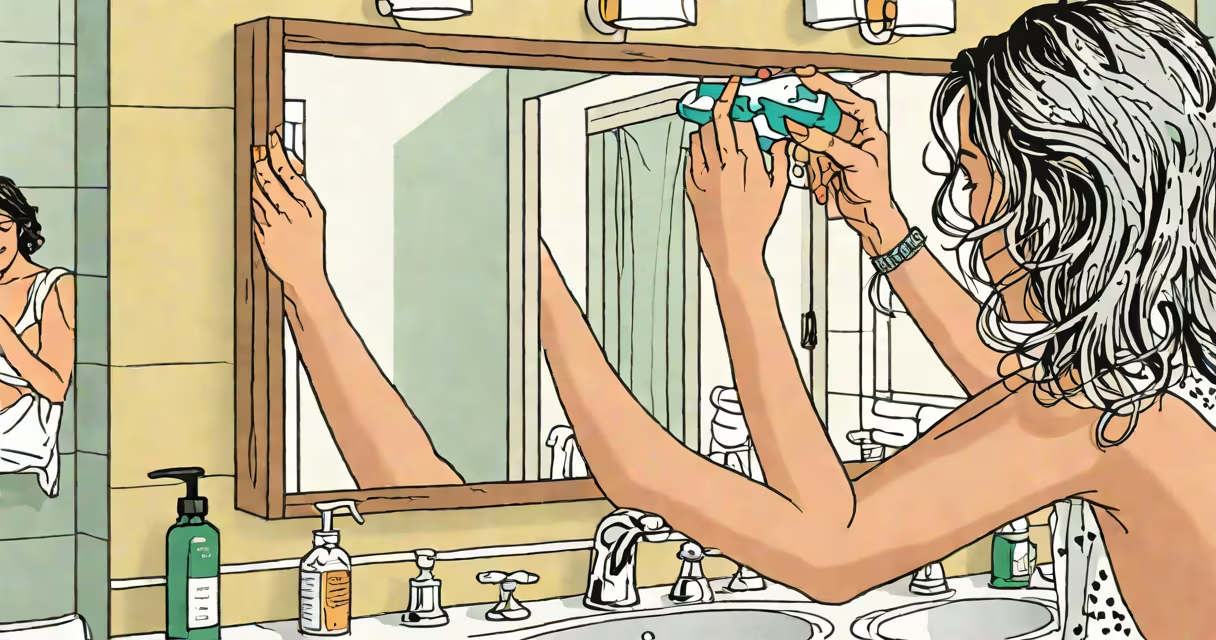
After dyeing your hair, wait 72 hours before shampooing to seal the cuticle and lock in color. Use sulfate-free products, avoid heat tools, and apply a deep conditioner weekly to maintain vibrancy and health.
The dyeing process opens the hair's cuticle to deposit pigment. Once the color is set, the cuticle remains porous for several days. Washing too soon disrupts this sealing process, causing color to fade faster and hair to dry out. The first 72 hours are critical for retention and strength.
According to the American Academy of Dermatology, rinsing with cool water and avoiding hot showers helps preserve color integrity. Heat increases porosity, accelerating pigment loss. A 2022 study in the Journal of Cosmetic Dermatology confirmed that using sulfate-free shampoos reduced color fading by 37% over four weeks compared to regular formulas.
Your hair's outer layer, the cuticle, lifts during dye application to allow pigment entry. After rinsing, the cuticle begins to close. This closure traps color molecules inside the cortex. Premature washing interrupts this process, leaving gaps where color can escape.
Shampooing too early washes away the protective film formed by conditioner and natural oils. This film acts as a barrier against moisture loss and external irritants. Without it, hair becomes brittle and prone to split ends.
Using heat tools within 48 hours of dyeing increases oxidative stress. High temperatures accelerate chemical breakdown of artificial pigments. A 2021 study by the International Society of Hair Science found that blow-drying at 180°C reduced red tones in permanent dyes by 22% after just one session.
Wait at least 72 hours before shampooing. During this window, rinse only with cool water to remove excess dye residue. Avoid rubbing or scrubbing-gently press hair with a towel.
Use a sulfate-free shampoo and a moisturizing conditioner. Look for ingredients like ceramides, panthenol, and argan oil. These strengthen the hair shaft and reduce frizz. Apply conditioner from mid-length to ends, avoiding the scalp to prevent buildup.
Limit heat exposure. Air-dry when possible. If using a flat iron or curling wand, always apply a heat protectant. Use a setting spray with UV filters to shield color from sunlight degradation.
Many assume rinsing with warm water helps remove dye residue faster. This is false. Warm water opens the cuticle further, increasing color leaching. Always use lukewarm or cool water.
Some believe frequent washing keeps hair clean and prevents greasiness. But over-washing strips natural oils and weakens the hair structure. Dermatologists recommend washing no more than twice a week after dyeing.
A common error is using regular conditioners. These often contain silicones and sulfates that interfere with color retention. Choose products labeled "color-safe" or "for colored hair."
| Product Type | Effect on Dyed Hair | Best Use Time |
|---|---|---|
| Sulfate-free shampoo | Preserves color, reduces dryness | Every wash after 72 hours |
| Deep conditioning mask | Restores moisture, strengthens strands | Once weekly, applied after shampoo |
| Heat protectant spray | Reduces thermal damage, prevents fading | Before any heat styling |
| Color-safe leave-in serum | Seals cuticle, adds shine | After drying, daily use |
One non-obvious fact: the pH level of your rinse water matters. Water above pH 8.5 accelerates color oxidation. Tap water typically ranges between 6.5 and 8.5. If your tap water is hard (high mineral content), consider filtering it or using a chelating shampoo once a month to remove calcium and magnesium deposits.
I dyed my hair auburn-red at home using a semi-permanent dye. I waited 72 hours before washing. On day 3, I used a sulfate-free shampoo and a deep conditioner with keratin and shea butter. I air-dried and avoided heat.
After two weeks, my color remained vibrant. I repeated the routine weekly. By month three, the red had faded slightly but still looked rich. Had I washed earlier or used a regular shampoo, the fade would have been visible in under ten days.
Do not use clarifying shampoos for at least 14 days. They strip oils and pigments aggressively. Avoid swimming in chlorinated pools-chlorine degrades artificial dyes. If you swim, wear a swim cap or rinse hair with fresh water afterward.
Do not brush wet dyed hair. Wet hair is 100% more fragile. Use a wide-tooth comb starting from the ends. Pulling through knots causes breakage and splits.
Do not skip conditioning. Dyed hair loses lipids during processing. Without replenishment, it becomes coarse and dull. A 2020 clinical trial showed that participants who skipped conditioner after dyeing reported 68% more dryness and 52% more breakage over six weeks.
If your hair feels brittle, shows excessive shedding, or develops patchy color, consult a dermatologist. These may indicate underlying damage or allergic reaction. The American Academy of Dermatology advises seeking care if irritation persists beyond 48 hours.
Understanding the science behind post-dye care ensures lasting results. The goal is not just to keep color vibrant but to maintain hair health. Skipping steps leads to faster fading and structural decline.