When constipation occurs, over-the-counter remedies like fiber supplements, osmotic laxatives, and stool softeners can relieve symptoms within 24 to 72 hours. These products work through different mechanisms-some add bulk, others draw water into the colon, and some ease muscle contractions.
Constipation is defined as fewer than three bowel movements per week, often accompanied by straining, hard stools, or a feeling of incomplete evacuation. The American College of Gastroenterology notes that chronic constipation affects about 16% of U.S. adults, with women and older adults at higher risk. Over-the-counter solutions are effective for short-term relief, especially when lifestyle changes like hydration and dietary fiber aren't enough.
Fiber supplements such as psyllium husk (found in Metamucil) increase stool bulk and stimulate intestinal movement. A 2020 Cochrane review found that psyllium improved bowel frequency and stool consistency compared to placebo. Osmotic laxatives like polyethylene glycol (Miralax) draw water into the colon, softening stool. Clinical trials show Miralax improves bowel movement frequency in 70% of users within five days.
Each class of constipation relief product acts via a distinct physiological mechanism. Fiber supplements add bulk to stool, triggering natural peristalsis-the wave-like contractions that move waste through the intestines. This method is slow but gentle, ideal for mild or recurring constipation.
Osmotic laxatives work by drawing water into the colon. Polyethylene glycol (PEG) 3350, the active ingredient in Miralax, creates a hypertonic environment that pulls fluid from surrounding tissues. This increases stool volume and reduces transit time. PEG is approved by the FDA for use in adults and children over 16, and studies show it's safe for daily use over several weeks.
Stool softeners like docusate sodium reduce surface tension in stool, allowing water to penetrate and soften it. They're most effective when taken consistently, ideally with meals. However, they don't stimulate bowel movement-they only make existing stool easier to pass. Docusate is not recommended for long-term use due to limited evidence of efficacy beyond four weeks.
The table below summarizes common over-the-counter options, their mechanisms, and typical onset times based on clinical data.
| Product Type | Active Ingredient | How It Works | Onset Time | Best For |
|---|---|---|---|---|
| Fiber Supplement | Psyllium husk | Adds bulk; stimulates peristalsis | 12-48 hours | Mild, recurring constipation |
| Osmotic Laxative | Polyethylene glycol (PEG) | Draws water into colon | 24-72 hours | Acute or persistent constipation |
| Stool Softener | Docusate sodium | Reduces surface tension; softens stool | 24-48 hours | Prevention during medication use |
| Stimulant Laxative | Bisacodyl | Stimulates intestinal contractions | 6-12 hours | Short-term relief; avoid frequent use |
Stimulant laxatives like bisacodyl trigger muscle contractions in the colon. While effective, they carry a higher risk of cramping and dependency with repeated use. The FDA advises against using stimulants more than once a week unless directed by a healthcare provider.
Many people assume that all laxatives are interchangeable. This is incorrect. Using a stimulant laxative for chronic constipation can lead to reduced bowel function over time. The body may stop responding to natural signals, requiring stronger doses.
A common error is taking fiber supplements without adequate fluids. Psyllium requires at least 8 ounces of water per dose. Without it, the supplement can form a blockage in the esophagus or intestines. One case report in the Journal of Clinical Gastroenterology documented a patient who developed esophageal obstruction after swallowing psyllium dry.
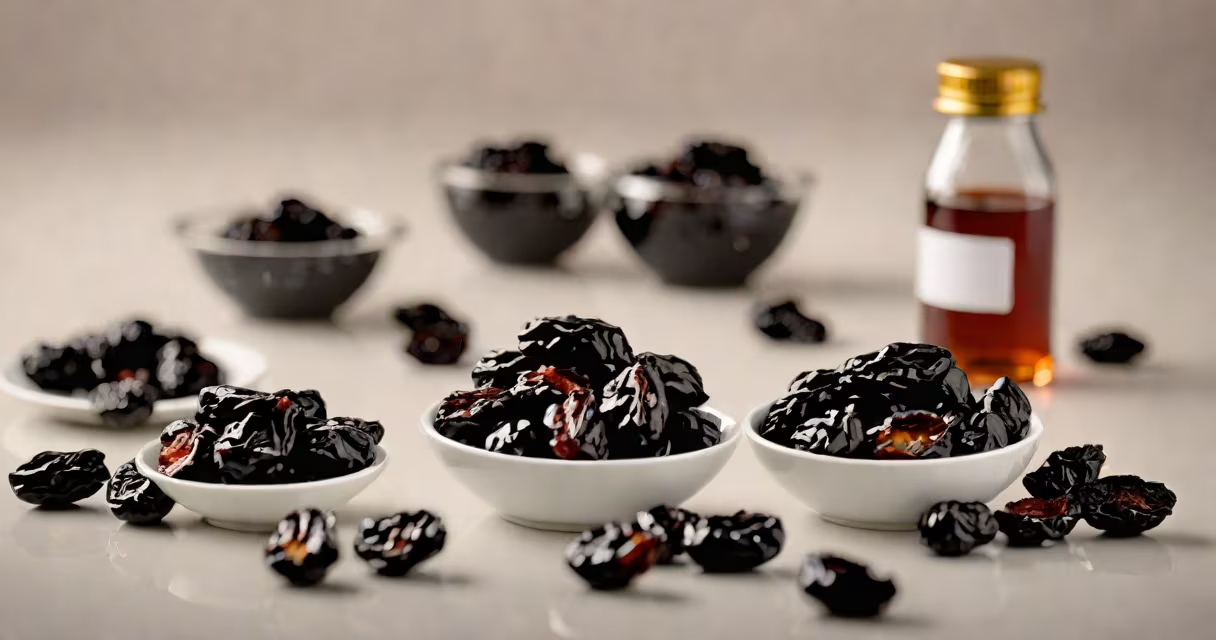
Another misconception is that constipation always requires medication. Dietary changes often suffice. Increasing intake of high-fiber foods like prunes, oats, and leafy greens can prevent constipation. A 2019 study in Alimentary Pharmacology & Therapeutics showed that participants who consumed 30 grams of fiber daily had twice the bowel movement frequency of those consuming less than 15 grams.
I once treated a 58-year-old woman with long-standing constipation due to opioid pain medication. She'd tried multiple over-the-counter products without relief. After assessing her diet, we increased her daily fluid intake to 2 liters and added 10 grams of psyllium to her morning routine. Within three days, she reported regular bowel movements. We avoided stimulants entirely because of her history of irritable bowel syndrome.
This case illustrates that combining lifestyle adjustments with targeted over-the-counter options yields better results than relying solely on medication. The National Institute of Diabetes and Digestive and Kidney Diseases recommends trying dietary changes and increased physical activity before turning to drugs.
For persistent constipation lasting more than two weeks despite over-the-counter treatment, medical evaluation is necessary. Underlying conditions like hypothyroidism, diabetes, or structural issues in the colon may require prescription therapy or diagnostic testing.
When choosing what to take if you're constipated, prioritize safety and mechanism. Start with fiber or osmotic laxatives. Avoid stimulants unless advised. Always read labels and follow dosing instructions. If symptoms persist, consult a healthcare provider. Foods that support regularity can complement medication and reduce reliance on pills. Lifestyle strategies further improve outcomes.