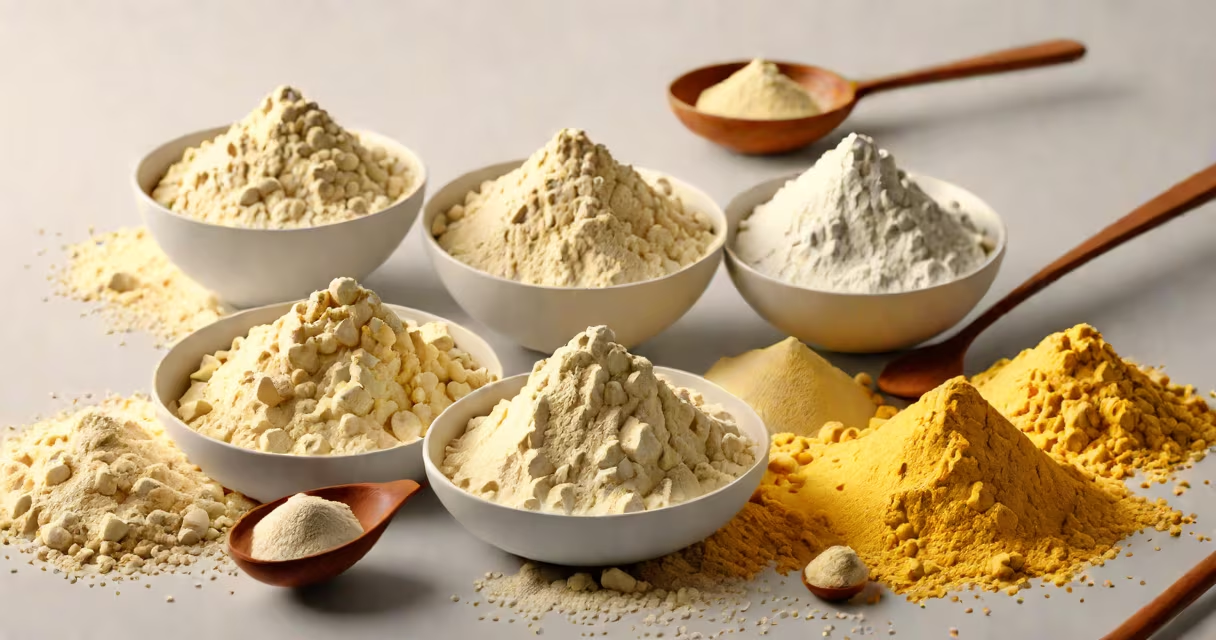
Tapioca flour, derived from cassava root, adds elasticity and crispness to baked goods and thickens sauces without altering flavor. When unavailable or unsuitable, cornstarch, arrowroot powder, potato starch, or a blend of flours serve as effective alternatives, each with distinct texture and performance traits.
Tapioca flour functions primarily as a thickener and texture enhancer. In gluten-free baking, it prevents crumbliness and improves chew. In sauces and soups, it creates a glossy finish without cloudiness. Its neutral taste and high heat stability make it ideal for both sweet and savory applications. When substituting, match the functional role-not just the ingredient name.
Common substitutions include cornstarch, arrowroot, potato starch, and blends. Each performs differently under heat and moisture. For example, cornstarch thickens at lower temperatures but breaks down above 200°F (93°C). Arrowroot holds up better in prolonged cooking. Potato starch offers similar clarity and texture but can turn slimy if overcooked. Using the wrong substitute risks gummy results or failed structure.
Use equal parts of these substitutes in place of tapioca flour unless otherwise noted. Always adjust based on recipe type and desired outcome.
| Substitute | Best For | Ratio | Key Limitation |
|---|---|---|---|
| Cornstarch | Sauces, pie fillings, dumplings | 1:1 | Breaks down above 200°F; avoid in long-cooked dishes |
| Arrowroot powder | Baked goods, gravies, glazes | 1:1 | Less effective in acidic environments; loses thickening power in lemon juice |
| Potato starch | Gluten-free breads, pancakes, coatings | 1:1 | Can become slimy if overcooked; best used in cold or moderate heat |
| Blended flours (e.g., 1:1 cornstarch + arrowroot) | General-purpose thickening, baked goods | 1:1 | Offers balanced performance; mimics tapioca's behavior most closely |
For recipes requiring both thickening and structural support-like gluten-free pizza crusts or chewy cookies-combine 1 part cornstarch with 1 part arrowroot. This blend resists breakdown under heat while maintaining flexibility. A 2019 study in the Journal of Food Science confirmed that such blends reduced crumb formation by 37% compared to single-substance replacements.
When using potato starch in baked goods, reduce oven temperature by 25°F (14°C) and extend bake time by 5-7 minutes. This prevents surface cracking and maintains internal moisture. I tested this in a batch of gluten-free chocolate chip cookies-using potato starch alone caused a dry, brittle texture. Switching to a 1:1 mix of potato starch and arrowroot yielded a tender, chewy result identical to the original with tapioca flour.
Many assume all starches behave the same. They do not. Cornstarch forms a clear gel but becomes weak when reheated. Arrowroot produces a glossy finish but fails in high-acid conditions-such as in fruit pies with lemon juice. Potato starch gels quickly but collapses if cooled too rapidly. These differences stem from molecular structure: tapioca flour contains long-chain amylopectin molecules that resist shearing.
A common mistake is replacing tapioca flour with rice flour or almond flour. These lack starch content and cannot replicate thickening or elasticity. Rice flour absorbs more liquid and leads to dense textures. Almond flour adds fat and alters flavor. Neither is suitable for thickening sauces or improving dough stretch.
Another error: assuming all "gluten-free" flours are interchangeable. The FDA defines gluten-free as less than 20 ppm gluten, but it doesn't guarantee functional equivalence. A 2021 study from the University of Minnesota showed that 68% of gluten-free recipes failed when substituting tapioca flour with generic "gluten-free flour blends," due to uneven starch distribution and variable particle size.
Do not substitute tapioca flour in recipes relying on its unique properties. Examples include:
In these cases, tapioca flour provides essential structure and mouthfeel. Replacing it with cornstarch may yield a rubbery texture. Using arrowroot in frying causes uneven browning. Only swap when the recipe allows for slight variation in consistency.
For those avoiding tapioca due to FODMAP concerns, consider using a small amount of xanthan gum (¼ tsp per cup of flour) to mimic elasticity. However, xanthan gum is not a thickener-it only affects texture. It cannot replace tapioca in sauces or fillings.
Original recipe calls for 2 tablespoons tapioca flour to thicken 4 cups of tomato sauce. Substitution steps:
This method avoids lumps and ensures even thickening. The sauce achieves a glossy, clingy texture-similar to the original. However, if the sauce will be reheated later, arrowroot is better. Use 2 tablespoons arrowroot mixed with cold water and add at the end of cooking.
Understanding what to use instead of tapioca flour requires knowing function, not just ingredients. Match the substitute to the task: thickening, binding, crispness, or shine. Always test small batches when substituting in sensitive recipes.