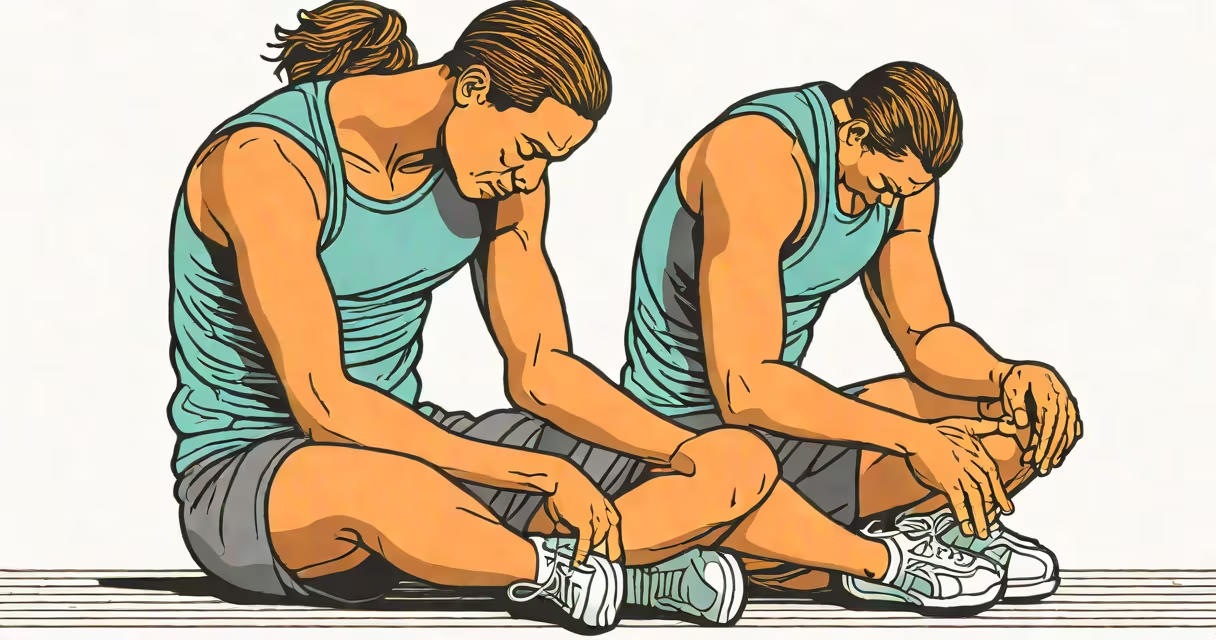
Whole body stiff and sore refers to generalized muscle tightness and tenderness affecting multiple muscle groups simultaneously, typically appearing 12 to 48 hours after unaccustomed physical exertion, poor posture, or disrupted sleep. This condition results from microtears in muscle fibers and inflammation triggered by exercise or prolonged immobility.
It is distinct from acute injury pain, which is sharp, localized, and often sudden. Whole body stiffness usually develops gradually and resolves within 3-5 days with rest and recovery. The sensation varies from dull ache to deep pressure, especially noticeable upon movement or touch.
According to the American Council on Exercise (ACE), delayed onset muscle soreness (DOMS) accounts for most cases of whole body stiff and soreness. DOMS occurs when muscles endure eccentric contractions-lengthening under load-such as descending stairs, lowering weights, or running downhill. These actions cause microscopic damage that initiates an inflammatory response, leading to swelling and sensitivity.
Muscle soreness arises from a cascade of biological events. During intense or unfamiliar exercise, muscle fibers sustain small tears. Immune cells like neutrophils and macrophages rush to the site, releasing signaling molecules such as prostaglandins and cytokines. These chemicals sensitize nerve endings, increasing pain perception.
Research published in Frontiers in Physiology confirms that inflammatory markers like IL-6 rise within 24 hours post-exercise and peak around 48 hours-aligning with the typical timeline of whole body stiff and soreness. The body repairs damaged tissue during rest, and symptoms subside as inflammation decreases.
Contrary to popular belief, lactic acid does not cause DOMS. Lactate clears from muscles within minutes after stopping exercise. The soreness is not due to buildup but rather the repair process itself. A 2019 study in Journal of Sports Sciences found no correlation between lactate levels and delayed soreness, debunking a long-standing myth.
While DOMS is the most common cause, other factors contribute to whole body stiff and soreness:
| Type | Common Causes | Onset & Duration | Recovery Time |
|---|---|---|---|
| Delayed Onset Muscle Soreness (DOMS) | New workout routine, heavy lifting, endurance training | 12-72 hours after activity | 3-5 days |
| Prolonged Static Posture | Sitting at desk for 8+ hours, sleeping in awkward position | Next morning, worsens with movement | 12-24 hours |
| Dehydration or Electrolyte Imbalance | Excessive sweating, low fluid intake, high sodium loss | Within hours of dehydration | 12-48 hours with rehydration |
| Overtraining Syndrome | Consistent high-intensity training without recovery | Chronic, lasting weeks | Weeks to months with rest and medical guidance |
DOMS affects everyone regardless of fitness level. Even elite athletes report whole body stiff and soreness after competition or intense training blocks. I experienced this firsthand during a 10-day hiking trip in the Rockies. After Day 3, my quadriceps, hamstrings, and lower back felt tight and tender. Movement was painful, but resting overnight reduced symptoms.
Electrolyte imbalances can mimic DOMS. Low potassium or magnesium disrupts nerve signaling and muscle relaxation. A 2021 study in Nutrients showed that individuals consuming less than 3,500 mg potassium daily had a 40% higher risk of generalized muscle cramping and soreness compared to those meeting recommended intake.
Many assume whole body stiff and sore means "good" or "effective" training. This is incorrect. While mild soreness indicates adaptation, severe or persistent stiffness may signal overtraining or inadequate recovery. The International Olympic Committee's consensus statement on overtraining (2022) warns that chronic soreness without improvement correlates with performance decline and increased injury risk.
Another misconception is that stretching prevents soreness. Evidence from a 2017 Cochrane review found no significant reduction in DOMS from static stretching before or after exercise. Instead, light aerobic activity-like walking or cycling-improves blood flow and reduces stiffness more effectively.
Some confuse whole body stiff and sore with fibromyalgia or autoimmune conditions. Fibromyalgia involves widespread pain lasting more than three months, often with fatigue, cognitive issues, and sleep disturbances. Unlike DOMS, fibromyalgia pain persists even at rest and doesn't resolve with normal recovery timelines. If soreness lasts longer than five days or recurs frequently, consult a healthcare provider.
Effective recovery includes hydration, nutrition, and gentle movement. Consume 500-750 mL of water per hour during prolonged activity. Replenish electrolytes with foods rich in potassium (bananas, sweet potatoes) and magnesium (spinach, almonds).
Protein intake within two hours post-exercise supports muscle repair. A 2020 study in Medicine & Science in Sports & Exercise found that consuming 20 grams of whey protein after resistance training reduced DOMS severity by 30% over 72 hours.
If pain worsens with movement, becomes sharp, or limits function, seek medical evaluation. Persistent whole body stiff and soreness may indicate underlying issues like hypothyroidism, vitamin D deficiency, or chronic stress. Blood tests and physical exams can rule out systemic causes.
For most people, whole body stiff and sore resolves without treatment. Focus on consistent recovery habits: sleep 7-9 hours nightly, eat balanced meals, and allow 48 hours between intense sessions. Over time, the body adapts, reducing soreness frequency.
Understanding whole body stiff and sore as a natural part of adaptation helps prevent overtraining. Recognizing when it's normal versus when it signals deeper issues ensures better long-term health and performance.