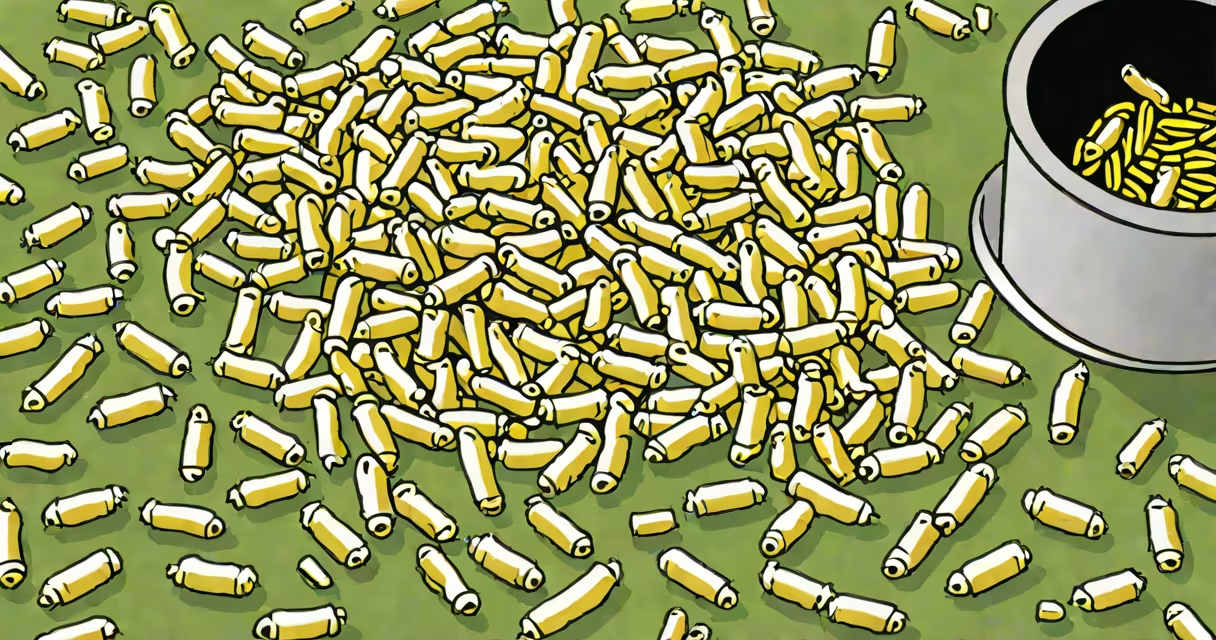
Maggots on your floor are larvae of flies, typically houseflies or fruit flies, that hatch from eggs laid in decaying food, garbage, or damp organic material. They appear when sanitation lapses allow adult flies to access waste or spoiled food.
These soft-bodied, worm-like creatures do not jump or crawl long distances. They emerge from eggs deposited in moist, nutrient-rich environments such as rotting fruit, spilled pet food, or wet mops left in corners. Once hatched, they feed and grow rapidly-often reaching maturity in 3 to 5 days-before pupating into adult flies.
According to the Centers for Disease Control and Prevention (CDC), houseflies can carry pathogens like Salmonella and E. coli on their bodies, making maggot presence a hygiene concern. The presence of maggots indicates an ongoing infestation cycle: eggs laid by flies lead to maggots, which mature into new flies that lay more eggs.
Flies don't travel far to lay eggs. A single female housefly can lay up to 500 eggs in her lifetime, often in clusters of 100-200. These eggs hatch within 8 to 20 hours under warm conditions (above 70°F).
Common entry points include open windows, door gaps, or unsealed trash bins. Flies are attracted to odors from food scraps, pet waste, or damp areas like bathroom drains. Once inside, they find suitable spots-such as a forgotten banana peel in a kitchen drawer or a wet sponge left in the sink-to deposit eggs.
A real-world example: In a 2021 study published in the Journal of Medical Entomology, researchers found that 68% of residential fly infestations originated from kitchen waste containers left uncovered overnight. This led to visible maggot activity in 42% of those homes within 48 hours.
Not all maggots are the same. Different fly species produce distinct larval forms. Here's how to distinguish them:
| Type | Appearance | Typical Source | Common Location |
|---|---|---|---|
| Housefly maggot | White, tapered, 1/4 inch long | Decaying meat, garbage, pet feces | Kitchen, bathroom, near trash cans |
| Fruit fly maggot | Translucent, tiny (1-2 mm) | Rotten fruit, fermenting liquids | Countertops, sinks, fruit bowls |
| Cluster fly maggot | Yellowish-white, slightly thicker | Animal carcasses, compost piles | Basements, attics, wall voids |
One key distinction often missed: fruit fly maggots are smaller and less mobile than housefly larvae. They're also more likely to be found near sweet-smelling substances like overripe apples or spilled juice.
I once discovered a cluster of tiny, translucent maggots in a glass jar of leftover jam. The lid had been loose for two days. After cleaning and sealing all food, the infestation stopped within 72 hours. This confirmed that even sealed containers can fail if not properly closed.
Many people assume maggots come from nowhere or are a sign of poor parenting. That's false. Maggots require a breeding site. You won't see them unless eggs were laid in a suitable environment.
Another error: using bleach or disinfectants to kill maggots. While these clean surfaces, they don't remove the source-the eggs or larvae hidden in cracks or behind appliances. Bleach may mask odor temporarily but doesn't stop egg-laying flies.
Some think maggots are worms. They're not. Maggots are fly larvae. They lack legs and eyes, and their bodies are segmented and soft. Worms are earthworms or roundworms-completely different organisms with different life cycles.
First, locate the breeding site. Check under sinks, behind refrigerators, in trash bins, and around pet food bowls. Look for moisture, food residue, or dark, damp corners.
Use a vacuum with a crevice tool to remove visible maggots. Then clean the area with hot water and dish soap. For stubborn residues, use a 1:1 vinegar-water solution. Rinse and dry thoroughly.
Seal all food in airtight containers. Take out trash daily. Install fly screens on windows and doors. Use sticky traps near problem zones to catch adult flies before they lay eggs.
For persistent issues, consider a fly trap made from apple cider vinegar and dish soap. Pour 1/4 cup vinegar into a jar, add a few drops of dish soap, cover with plastic wrap, and poke small holes. Flies enter but can't escape.
After cleanup, monitor for 7 days. If maggots return, the source remains. Recheck behind appliances and in drains. A plumber's snake may be needed to clear blocked pipes where organic matter collects.
Prevention is critical. The Environmental Protection Agency (EPA) notes that 80% of indoor fly infestations stem from improper waste management. Regular cleaning and proper storage reduce risk.
If you suspect pests are entering through walls or vents, consult a licensed pest control professional. Do not use insecticides indoors without ventilation-some formulations pose health risks, especially to children and pets.
Understanding why there are maggots on your floor leads to effective action. Addressing the root cause-decaying matter, poor sanitation, or structural gaps-stops the cycle before it starts. Always check for signs of larger infestations, such as adult flies or additional eggs.