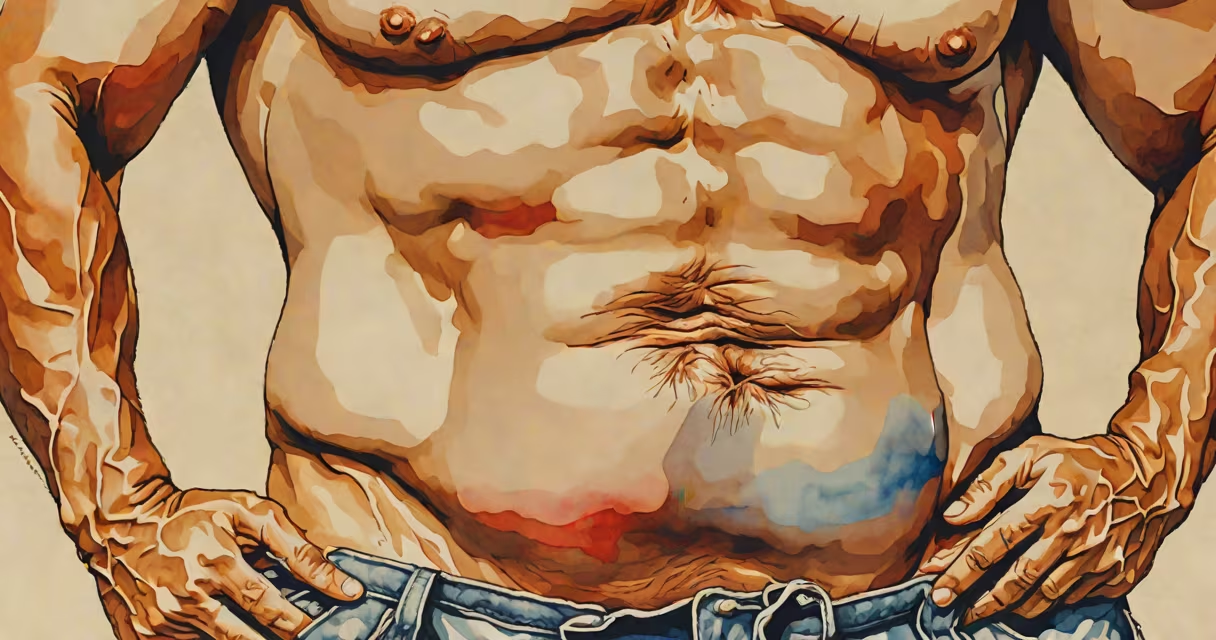
Delayed onset muscle soreness (DOMS) causes stomach muscle soreness after unaccustomed or intense core exercises due to microscopic damage in muscle fibers during eccentric contractions. This typically peaks 24-72 hours post-workout and resolves within five days.
DOMS results from mechanical stress on muscle tissue, especially during movements like crunches, planks, or hanging leg raises where muscles lengthen under load. The soreness is not caused by lactic acid buildup, a common misconception. Lactic acid clears from muscles within minutes after exercise and does not contribute to delayed soreness.
A 2017 study published in the Journal of Strength and Conditioning Research confirmed that DOMS correlates with muscle fiber microtears, not metabolic waste. These microtears trigger inflammation and increased sensitivity in nerve endings, leading to the ache felt in the abdominal region after training.
Soreness develops when muscle fibers undergo controlled damage during resistance training. During exercises like weighted sit-ups or Russian twists, the rectus abdominis and obliques contract forcefully while lengthening-this eccentric phase generates more stress than concentric movements.
The body responds by sending immune cells to repair damaged tissue. This inflammatory process increases fluid around muscle fibers, compressing nearby nerves and causing pain. The sensation usually begins 6-12 hours after exercise and intensifies over the next 24-48 hours.
For example, someone doing 3 sets of 20 decline crunches for the first time may feel tightness in their lower abs the next morning, with peak discomfort at noon on day two. By day four, most of the soreness subsides as repair processes complete.
Different patterns of soreness indicate different causes. Not all abdominal discomfort stems from muscle fatigue. Here's how to differentiate:
| Type | Onset | Duration | Common Causes | Red Flags |
|---|---|---|---|---|
| DOMS | 6-72 hours post-exercise | 2-5 days | New routine, high volume, heavy weights | Gradual onset, improves with light movement |
| Acute strain | During or immediately after activity | Hours to days | Sudden twist, overreach, poor form | Pain with movement, localized tenderness |
| Chronic overuse | Weeks of repetitive motion | Days to weeks | Repetitive crunches, daily planking | Persistent dull ache, stiffness |
DOMS is normal after starting a new core program. Acute strains suggest overexertion or poor technique. Chronic soreness may indicate overtraining without recovery.
Abdominal pain is often misdiagnosed as muscle soreness when it actually signals internal issues. True muscle soreness affects the entire muscle group and eases with gentle movement. Pain from digestive problems, hernias, or nerve irritation feels different.
For example, a sharp, stabbing pain near the navel during sit-ups could indicate a sports hernia-a tear in the connective tissue around the lower abdomen. According to the American College of Sports Medicine, athletes who perform repetitive twisting motions are at higher risk. Unlike DOMS, this pain worsens with activity and doesn't improve with rest.
Another common confusion: bloating or gas can mimic muscle tension. A 2021 review in Gastroenterology & Hepatology found that 30% of patients reporting "abdominal pain" after exercise had underlying gastrointestinal triggers. If soreness persists beyond five days or occurs without recent training, consider medical evaluation.
Most cases of stomach muscle soreness resolve without treatment. But certain signs require attention. Seek care if:
I once observed a client who reported persistent lower abdominal pain after a month of daily planks. Despite normal DOMS patterns, the pain didn't subside. An ultrasound revealed a small rectus abdominis separation-common in people with weak core stability. Corrective exercises and a pause in high-intensity training resolved the issue.
Active recovery speeds healing. Light walking or stretching for 10-15 minutes daily reduces stiffness. A 2019 study in the European Journal of Applied Physiology showed that low-intensity aerobic activity improved blood flow to damaged tissues, reducing soreness duration by 25% compared to complete rest.
Proper warm-up and cool-down reduce DOMS severity. Perform changing stretches like cat-cow or torso twists before training. Afterward, hold static holds such as the dead bug or bird-dog for 30 seconds per side.
Progressive overload prevents excessive soreness. Increase volume by no more than 10% weekly. For example, if you did 15 crunches last week, aim for 16-17 this week. This allows adaptation without overwhelming tissue repair capacity.
Hydration and nutrition support recovery. Protein intake within two hours post-workout enhances muscle repair. Aim for 20-30 grams of high-quality protein-such as eggs, Greek yogurt, or lean chicken-to maximize recovery.
Recognizing the difference between muscle soreness and injury ensures safe progress. Most soreness fades within days. When it doesn't, it's time to reassess form, volume, or seek guidance.