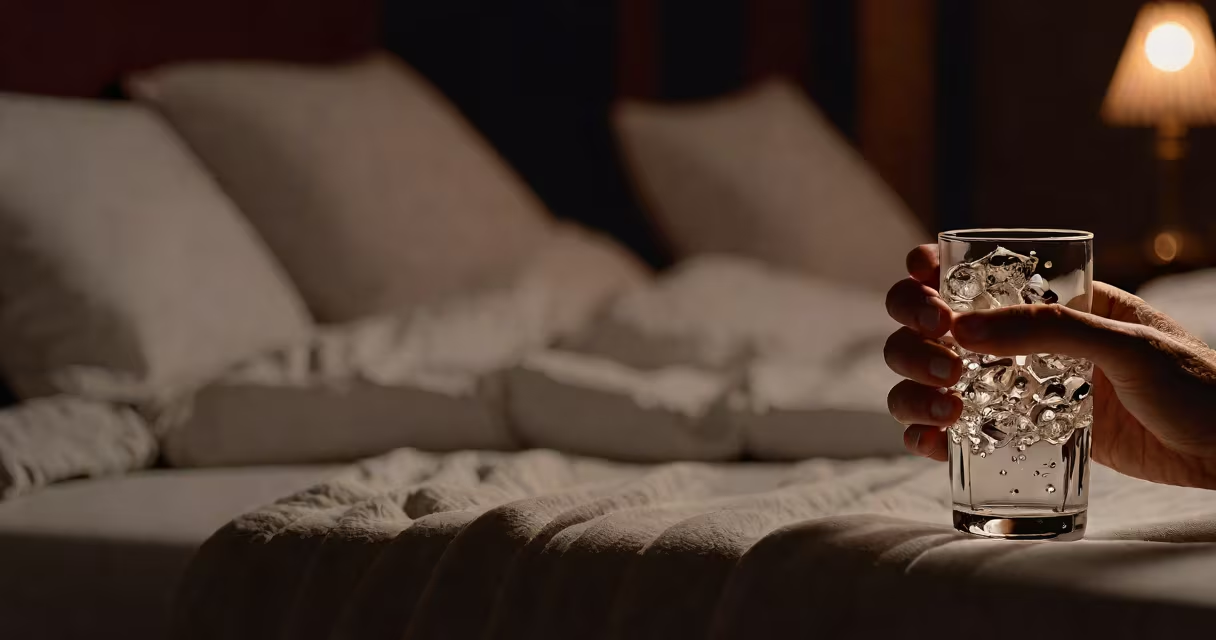
Feeling intensely thirsty before bed often results from fluid loss during the day, reduced saliva production at night, or underlying health conditions affecting hydration balance. This sensation is common but not normal if it disrupts sleep regularly.
Thirst before bed arises when your body signals a need for fluids due to dehydration, either from insufficient intake earlier in the day or increased fluid loss through breathing, sweating, or medication side effects. The body's natural circadian rhythm reduces saliva production during sleep onset, which can amplify dry mouth sensations even with normal hydration levels.
Common triggers include high sodium intake, alcohol consumption, certain medications like antihistamines or blood pressure drugs, and medical conditions such as diabetes or sleep apnea. Persistent thirst may indicate a deeper issue requiring evaluation.
Your body maintains fluid balance through a complex system involving the kidneys, hormones like vasopressin (ADH), and neurological signals from the hypothalamus. When blood osmolality rises-meaning the concentration of solutes in your blood increases-osmoreceptors in the brain detect this imbalance and trigger thirst.
During the evening, several factors can disrupt this balance. You may have consumed salty foods or beverages with caffeine or alcohol, both of which increase urine output and reduce water retention. Breathing through your mouth while sleeping, especially if you have nasal congestion, can also dry out oral tissues rapidly.
Even mild dehydration-just 1-2% loss of body water-can impair cognitive function and cause fatigue. A 2020 study published in Frontiers in Physiology found that participants who slept with low humidity environments reported higher subjective thirst levels compared to those in controlled humidity settings.
Thirst before bed falls into three categories: behavioral, physiological, and pathological. Behavioral causes are within your control; physiological changes occur naturally; pathological causes require medical attention.
| Type | Examples | Prevention/Management |
|---|---|---|
| Behavioral | High salt intake, alcohol, caffeine, late-day fluid restriction | Limit sodium to under 2,300 mg/day; avoid alcohol and caffeine after 2 PM |
| Physiological | Natural drop in saliva, dry air, mouth breathing | Use a humidifier; treat nasal congestion; practice nasal breathing techniques |
| Pathological | Diabetes, sleep apnea, Sjögren's syndrome, medication side effects | Consult a doctor; adjust medications; manage underlying condition |
For example, a 2019 review in Journal of Clinical Sleep Medicine linked obstructive sleep apnea to chronic dry mouth in 60% of patients studied. Apnea causes frequent micro-arousals and mouth breathing, leading to significant oral mucosal drying.
One non-obvious factor: some people develop conditioned thirst responses. After consistently drinking water before bed, the brain begins associating bedtime with hydration, triggering thirst even when fluid levels are adequate. This is a learned behavior, not a biological need.
Nocturnal thirst is often mistaken for dry mouth caused by snoring or mouth breathing, but they differ in mechanism. Snoring-related dryness stems from airflow through the mouth, whereas thirst involves internal signaling of fluid deficit.
Another misconception is that drinking water before bed prevents thirst. In reality, consuming large volumes close to sleep can disrupt sleep architecture. A 2021 study in Sleep Medicine showed that participants who drank 500 mL of water within 30 minutes of lying down experienced more awakenings and reduced REM sleep duration.
Some assume thirst before bed is harmless. But persistent nighttime thirst may signal early-stage diabetes. The American Diabetes Association notes that polydipsia-excessive thirst-is one of the earliest symptoms of uncontrolled hyperglycemia. If you're drinking more than 3 liters of fluid daily and still feel thirsty, consult a healthcare provider.
I once observed a client who reported waking up every night with a dry mouth and intense thirst. She drank 2-3 glasses of water before bed but still felt parched. Her diet included processed snacks high in sodium and she used a decongestant nightly for allergies.
After adjusting her routine-reducing sodium intake, switching to a saline nasal spray, and limiting fluids to 200 mL two hours before sleep-her nighttime thirst dropped by 80% within one week. She also began using a cool-mist humidifier, which improved air moisture levels in her bedroom.
This case illustrates that addressing the root cause matters more than simply adding more water. Overhydration before bed can worsen sleep quality and lead to nighttime urination, increasing the risk of disrupted sleep cycles.
If you consistently wake up with dry mouth and thirst despite staying hydrated throughout the day, consider evaluating for medical causes. The National Institute of Dental and Craniofacial Research identifies xerostomia (chronic dry mouth) as a symptom of autoimmune diseases like Sjögren's syndrome, which affects about 1 in 1,000 people in the U.S.
Medications are another key factor. Antihypertensives, antidepressants, and antipsychotics frequently list dry mouth as a side effect. According to the FDA, over 1,000 prescription drugs list xerostomia as a potential adverse reaction.
If you suspect a medication is causing your discomfort, speak with your doctor before stopping it. Alternatives may exist, or dose timing adjustments can reduce side effects.
Understanding why you get so thirsty before bed allows you to address the cause-not just the symptom. Whether it's adjusting your diet, managing medications, or improving bedroom environment, small changes yield measurable improvements in comfort and sleep quality.