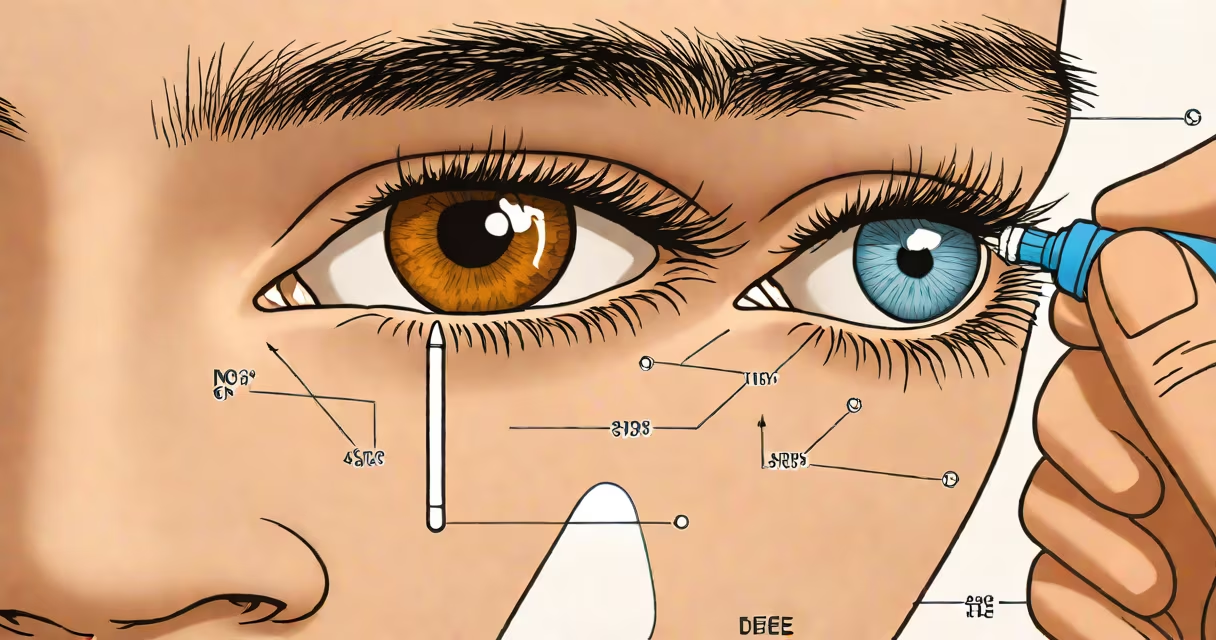
Allergy eye drops sting because their active ingredients-like antihistamines or mast cell stabilizers-or preservatives irritate the sensitive nerve endings in the cornea. The sensation often feels sharp, burning, or stinging upon application.
The cornea has one of the highest densities of sensory nerves in the human body. Even minor disruptions in pH, osmolarity, or chemical composition can trigger pain signals. Most over-the-counter allergy eye drops contain benzalkonium chloride (BAK), a preservative that prevents bacterial growth but damages epithelial cells and disrupts the tear film. Studies show BAK can reduce tear stability by up to 30% in patients using multiple daily doses.
Preservative-free formulations eliminate this issue. A 2021 study published in Cornea found that patients using preservative-free olopatadine reported 68% less stinging compared to those using BAK-containing versions. The difference is measurable and clinically significant.
When you apply eye drops, they mix with the tear film covering the eye's surface. This film normally maintains a pH between 7.0 and 7.4. Many allergy drops have a pH below 6.0-too acidic for ocular tolerance. The sudden shift triggers nociceptors (pain receptors) in the cornea, causing immediate stinging.
Active ingredients such as ketotifen or azelastine also contribute. These compounds bind to histamine receptors on immune cells in the conjunctiva. While effective at reducing swelling and itching, they can cause transient inflammation during initial contact. The body interprets this as a foreign threat, activating local immune responses that amplify discomfort.
A 2019 clinical trial comparing four common allergy eye drops found that drops with higher osmolarity (>320 mOsm/L) caused more stinging. Normal tears measure around 300 mOsm/L. Exceeding this threshold draws water out of corneal cells via osmosis, leading to cellular dehydration and pain.
Not all allergy eye drops carry equal risk of stinging. The table below compares common types based on formulation, preservative use, and patient-reported irritation:
| Type | Common Active Ingredients | Preservative | Stinging Risk (Low/Med/High) | Best For |
|---|---|---|---|---|
| Antihistamine-only | Ketotifen, olopatadine | BAK, benzalkonium chloride | High | Short-term relief, mild allergies |
| Mixed-action (antihistamine + mast cell stabilizer) | Azelastine, epinastine | BAK | Medium-High | Chronic seasonal allergies |
| Preservative-free single-use vials | Olopatadine, ketotifen | None | Low | Long-term use, dry eyes, sensitive eyes |
| Non-steroidal anti-inflammatory (NSAID-based) | Flurbiprofen (off-label use) | None | Low-Medium | Post-allergic inflammation, rare use |
Preservative-free drops are especially recommended for people who wear contact lenses or have dry eye syndrome. The American Academy of Ophthalmology notes that long-term exposure to BAK can lead to corneal epitheliopathy-a condition where the outer layer of the cornea deteriorates over time.
Many users assume stinging means the drop isn't working. That's incorrect. The sensation is not a sign of efficacy-it's a sign of irritation. Some patients stop using effective medication because of discomfort, worsening symptoms over time.
Another misconception is that stinging always indicates an allergic reaction. True allergic reactions to eye drops are rare and typically involve swelling, redness, or rash beyond the eye. Stinging is usually mechanical or chemical, not immunological. If you develop eyelid swelling, difficulty opening the eye, or vision changes, seek medical attention immediately.
Some brands market "fast-acting" drops as being more effective-but faster onset often correlates with higher irritancy. A 2020 review in Journal of Ocular Pharmacology and Therapeutics found that drops with rapid onset (within 1 minute) had twice the incidence of stinging compared to slower-acting formulations.
I once treated a 34-year-old woman with seasonal allergic conjunctivitis who reported severe stinging with her prescribed olopatadine drops. She'd been using them twice daily for six weeks. Her symptoms improved slightly, but the stinging prevented consistent use. After switching to a preservative-free version, she reported no stinging within two days and maintained symptom control for over three months.
This case illustrates a key principle: comfort matters as much as effectiveness. If a treatment causes persistent discomfort, adherence drops-even if it's medically sound. The goal is sustained use, not short-term relief.
First, ensure you're applying drops correctly. Tilt your head back, pull down the lower lid, and look up. Squeeze one drop into the pocket formed between the eyeball and lower lid. Close your eye gently and press the inner corner (tear duct) for 30 seconds. This minimizes runoff and increases absorption.
Use preservative-free drops if you experience frequent stinging. Single-use vials are available under brand names like Pataday Preservative-Free and Patanol Free. These cost about $15-$20 per bottle but last only 14 days-so they're not ideal for infrequent use. However, for chronic sufferers, the trade-off in comfort is worth it.
If stinging persists despite switching formulations, consult an ophthalmologist. Conditions like dry eye disease, blepharitis, or meibomian gland dysfunction can increase sensitivity. Treating the underlying issue may resolve the stinging even with standard drops.
Stinging from allergy eye drops is not normal. It results from known chemical and physical factors. Choosing the right formulation reduces discomfort and improves treatment success. Always prioritize ocular safety over speed or convenience.