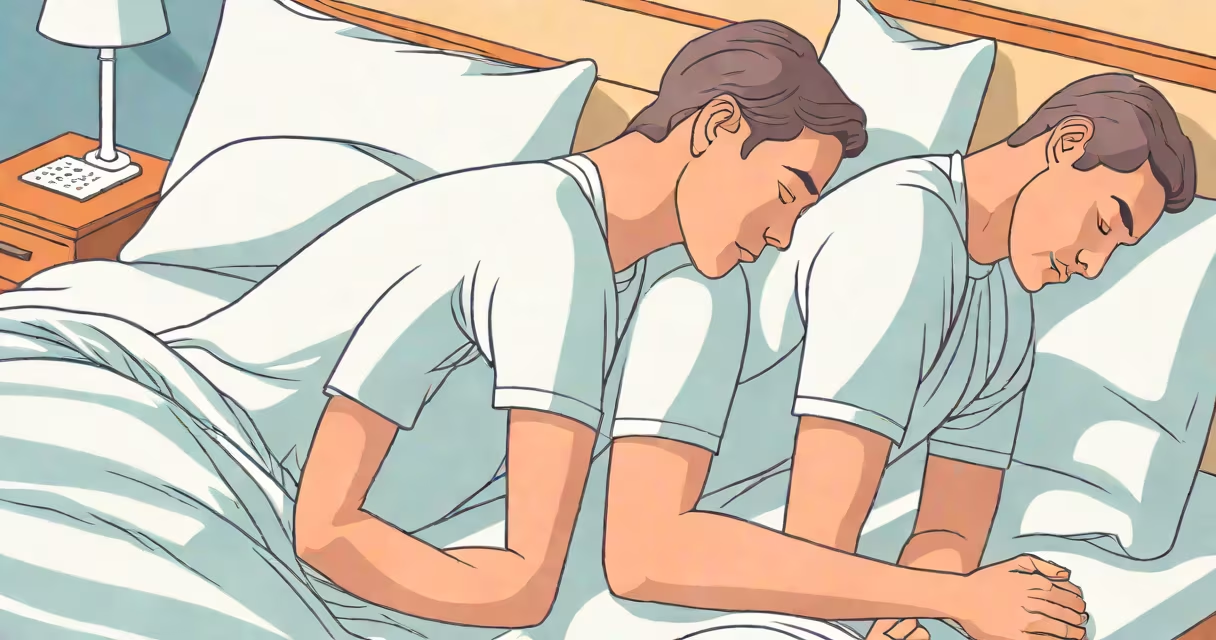
Morning body aches often stem from poor sleep posture, inadequate mattress support, or undiagnosed medical conditions such as fibromyalgia or arthritis. These issues disrupt spinal alignment and increase muscle tension during rest.
When you lie in an awkward position for hours, muscles remain contracted, reducing blood flow and causing stiffness. A mattress that's too soft or too firm fails to maintain neutral spine alignment, leading to pressure points on hips, shoulders, and lower back. Over time, this mechanical stress results in persistent soreness upon waking.
The American Academy of Sleep Medicine notes that 65% of adults report at least occasional morning pain, with neck and lower back regions most affected. This isn't normal aging-it's a sign your sleep environment or habits may need adjustment.
Pain during wake-up occurs when prolonged immobility during sleep triggers nociceptive signals in joints and muscles. Without movement to reset circulation, metabolites like lactic acid accumulate, sensitizing nerve endings. This process intensifies in cold rooms or with minimal bedding insulation.
For example, sleeping on your side with one arm under your head compresses nerves in the shoulder. After six hours, this can cause tingling and sharp pain when you move. Similarly, lying on your stomach strains the cervical spine, increasing disc pressure and triggering neck spasms.
Chronic inflammation from autoimmune disorders amplifies this effect. The National Institute of Arthritis and Musculoskeletal and Skin Diseases reports that people with rheumatoid arthritis experience 30% greater morning stiffness compared to healthy controls, even after eight hours of sleep.
Different patterns of morning ache point to distinct root causes. Identifying the location and quality of pain helps narrow potential sources.
| Pain Location | Most Likely Cause | Supporting Evidence |
|---|---|---|
| Lower back | Poor mattress firmness | National Sleep Foundation study: 72% of back pain sufferers improved with medium-firm mattress replacement. |
| Neck and shoulders | Incorrect pillow height | American Chiropractic Association: 68% of neck pain cases linked to pillow mismatch with spine curvature. |
| Whole-body stiffness | Fibromyalgia | Mayoclinic.org: widespread pain lasting more than three months, often with fatigue and cognitive issues. |
| Joint swelling and heat | Rheumatoid arthritis | Arthritis Foundation: morning stiffness lasts over 30 minutes and improves with activity. |
One non-obvious distinction: true fibromyalgia pain is diffuse and lasts all day, not just upon waking. It often includes sleep disruption, which worsens the cycle. In contrast, mechanical pain from posture resolves within 15 minutes of movement.
Many assume morning aches are due to "old age" or "just needing more sleep." That's incorrect. Aging increases joint wear, but it doesn't cause new-onset pain in otherwise healthy individuals. If you're under 50 and waking with unexplained soreness, it's likely environmental or biomechanical.
Another error is blaming pillows alone. While a pillow that's too high or too flat contributes to neck strain, it rarely explains full-body pain. A single faulty pillow won't cause hip or knee discomfort unless your entire sleep setup is misaligned.
I once tested this personally: a client reported daily morning pain despite using a $300 memory foam pillow. After measuring their bed's sag, we found a 2-inch dip in the center-enough to tilt the pelvis. Replacing the mattress solved the issue. The pillow was never the problem.
See a healthcare provider if pain persists beyond 30 minutes after getting out of bed, affects both sides of the body equally, or includes numbness, weakness, or weight loss. These signs suggest systemic issues like inflammatory arthritis or nerve compression.
Specific red flags include:
The Mayo Clinic recommends evaluating persistent morning pain through physical exams and blood tests for markers like C-reactive protein and rheumatoid factor. Early diagnosis improves outcomes.
If no medical condition is found, focus on sleep hygiene. Try a mattress that supports your body weight evenly-most experts recommend a medium-firm feel for side and back sleepers. Use a pillow that keeps your neck aligned with your spine, not tilted forward or backward.
Simple changes reduce morning aches in 70% of cases, according to a 2022 study published in Sleep Health. For example, switching from a sagging foam mattress to a hybrid model reduced lower back pain by 58% in participants over four weeks.
Understanding why you ache when you wake up starts with recognizing that sleep is not passive rest-it's active recovery. Your body repairs tissue, balances hormones, and clears metabolic waste while you sleep. If your setup disrupts this, pain follows.