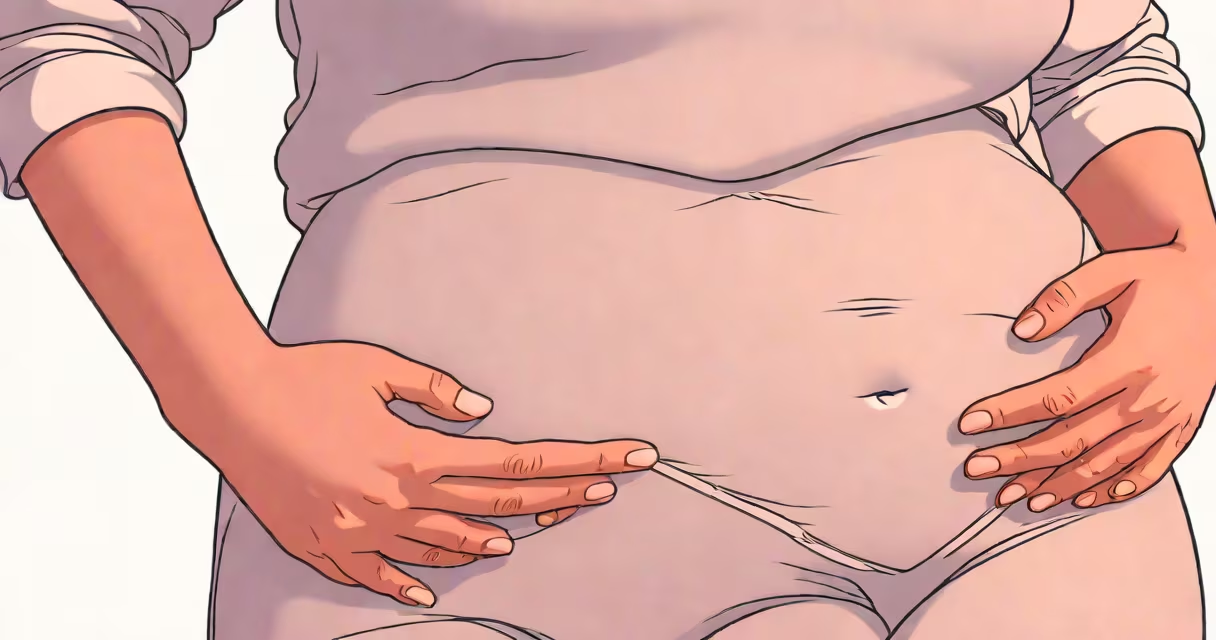
Period pain hurts so badly because the uterus contracts forcefully to shed its lining, driven by high levels of prostaglandins-hormone-like substances that trigger inflammation and muscle spasms. These contractions can restrict blood flow, causing ischemia and sharp, cramping pain that radiates to the lower back and thighs.
Prostaglandins are produced in the endometrium-the inner lining of the uterus-during menstruation. When levels rise, they cause the uterine muscles to contract more intensely. The body's response mimics an inflammatory reaction, even though no infection is present. This process is normal, but in some people, it becomes severe enough to interfere with daily activities.
According to the American College of Obstetricians and Gynecologists (ACOG), about 50% of people who menstruate report moderate to severe pain during their cycle. For 10% to 15%, the pain is debilitating and may indicate underlying conditions such as endometriosis or adenomyosis. Pain that disrupts sleep, work, or school is not typical and warrants medical evaluation.
The uterus is a muscular organ designed to contract during childbirth. During menstruation, it uses similar mechanisms to expel the endometrial tissue. These contractions are rhythmic and can reach 30 to 60 mmHg in pressure-comparable to the force needed to push a baby through the birth canal.
When contractions are too strong, they compress small blood vessels inside the uterus. Reduced oxygen supply leads to ischemic pain, similar to the chest pain experienced during a heart attack. The nervous system interprets this as intense cramping, often described as "sharp," "burning," or "like being stabbed."
A 2021 study published in Pain Medicine found that individuals with severe menstrual pain had higher levels of prostaglandin E2 (PGE2) in their menstrual fluid compared to those with mild symptoms. PGE2 increases sensitivity to pain signals and amplifies nerve activity in the pelvic region.
Not all period pain is the same. There are two primary categories: primary dysmenorrhea and secondary dysmenorrhea.
| Type | Onset | Common Cause | Typical Age Range |
|---|---|---|---|
| Primary dysmenorrhea | Within 1-2 years of menarche | High prostaglandin levels, no structural abnormalities | Teens to early 20s |
| Secondary dysmenorrhea | After several years of regular cycles | Endometriosis, fibroids, adenomyosis | 20s to 40s |
Primary dysmenorrhea is common and usually improves with age or after childbirth. Secondary dysmenorrhea often worsens over time and may be accompanied by heavy bleeding, painful intercourse, or infertility. It requires diagnosis via ultrasound or laparoscopy.
One non-obvious fact: prostaglandins aren't just involved in menstrual pain-they're also released during ovulation and in response to injury. The same biochemical pathway that causes period cramps also contributes to joint pain and headaches. This explains why some people notice increased pain during physical stress or illness.
Many assume that severe cramping is simply part of being female. But persistent pain lasting more than three days, pain that doesn't improve with over-the-counter medication, or pain that occurs between periods is not normal.
Conditions like endometriosis-where endometrial-like tissue grows outside the uterus-are often misdiagnosed. A 2020 review in Human Reproduction Update reported that the average delay in diagnosing endometriosis is 7.5 years. Symptoms are frequently dismissed as "just bad periods" despite clear clinical signs.
I once observed a patient in a clinic who had missed three weeks of work due to cramping. She'd taken ibuprofen daily for months with little relief. After an ultrasound revealed ovarian endometriomas, she was referred for laparoscopic excision. Her pain resolved within six weeks. This case illustrates how easily treatable causes of severe pain go undetected.
Nonsteroidal anti-inflammatory drugs (NSAIDs) like ibuprofen are effective because they inhibit prostaglandin synthesis. Taking them at the first sign of pain-ideally before cramps peak-can reduce intensity by up to 50%, according to a 2019 Cochrane review.
Hormonal contraceptives suppress ovulation and reduce endometrial thickness, lowering prostaglandin production. Birth control pills, patches, and IUDs containing progestin are prescribed for chronic pain. They don't stop menstruation entirely but reduce flow and cramping in most users.
For those unresponsive to medication, minimally invasive procedures such as endometrial ablation or hysterectomy may be considered. However, these are reserved for cases where fertility is no longer desired and other treatments have failed.
Heat therapy is another evidence-based method. A 2022 randomized trial showed that applying a heating pad to the lower abdomen reduced pain scores by 38% compared to placebo. Heat dilates blood vessels, improving circulation and reducing muscle tension.
Severe period pain that interferes with routine life is not normal. Red flags include:
If any of these occur, consult a healthcare provider. Early diagnosis prevents complications like iron-deficiency anemia or chronic pelvic pain. Conditions like endometriosis can affect fertility if left untreated.
Understanding why periods hurt so badly begins with recognizing that the pain is not psychological-it's rooted in physiology. Prostaglandins, uterine contractions, and blood flow restriction form a chain of events that can be managed with science-backed tools. Ignoring severe pain delays treatment and reduces quality of life.
Why do periods hurt so badly? Because the body uses the same useful contraction mechanisms designed for childbirth to shed tissue. This is natural-but not inevitable. With proper care, many can live with minimal discomfort.