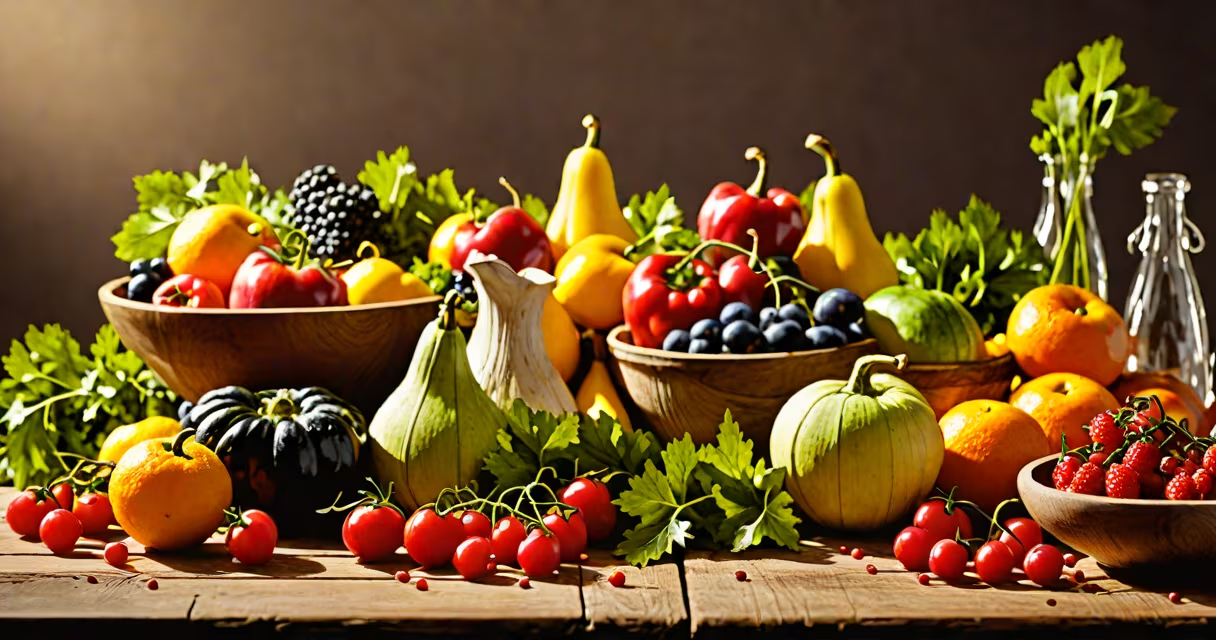
Seasonal ingredients are foods harvested at their peak ripeness during specific times of year, when climate and soil conditions naturally support optimal growth. They offer superior taste, texture, and nutrient density compared to out-of-season alternatives grown under artificial conditions.
These ingredients thrive when planted and picked according to regional weather patterns. Tomatoes in July, apples in October, asparagus in April-each follows a biological schedule tied to sunlight, temperature, and rainfall. Harvesting them at their natural peak preserves flavor compounds and vitamins lost during long storage or transport.
Seasonal ingredients reduce environmental impact by minimizing energy-intensive practices like greenhouse heating, refrigerated shipping, and synthetic fertilizers. They also support local farmers and maintain biodiversity in agriculture. Choosing them means eating food that's fresher, healthier, and more sustainable.
Plants grow in response to photoperiod (day length), temperature shifts, and soil moisture. These cues trigger flowering, fruiting, and ripening. When crops are harvested at their ideal time, they've completed their full development cycle-maximizing sugar content, aroma, and texture.
For example, strawberries ripen fastest in warm spring days. A field-picked strawberry in June contains about 60% more vitamin C than one shipped from a tropical farm in January. The difference isn't just taste-it's measurable nutrition.
Food systems that prioritize off-season production rely on controlled environments. Greenhouses extend growing seasons using artificial light and heated soil. But these methods increase carbon emissions and water use. Seasonal farming avoids such trade-offs by working with nature instead of against it.
Seasonality varies by climate zone. Northern temperate regions like New England have distinct seasons, while Mediterranean areas see milder shifts. Below is a list of common seasonal foods in North America's four seasons:
| Season | Common Ingredients | Why They're Optimal |
|---|---|---|
| Spring | Asparagus, peas, radishes, rhubarb | Grow rapidly after winter dormancy; high in antioxidants and fiber |
| Summer | Tomatoes, corn, berries, zucchini | Reach peak sweetness in warm temperatures; rich in lycopene and vitamin C |
| Fall | Apples, pumpkins, sweet potatoes, Brussels sprouts | Develop complex sugars as nights cool; ideal for roasting and preservation |
| Winter | Root vegetables, citrus, kale, leeks | Resist freezing; store well and retain nutrients through cold months |
Some ingredients, like heirloom tomatoes, are only available for six weeks a year. Their short window makes them prized in markets and restaurants. Chefs often design menus around these fleeting harvests.
Cooking with seasonal ingredients improves meal quality. A dish made with ripe peaches in August tastes sweeter and requires less added sugar than one using frozen or imported fruit. Texture matters too-fresh corn pops with flavor and crunch; older versions turn mushy.
Restaurants like Blue Hill at Stone Barns in New York build entire menus around seasonal availability. Their spring menu features wild ramps, fiddlehead ferns, and early strawberries-all sourced within 50 miles. This model reduces food miles and supports regenerative farming.
Home cooks benefit similarly. A 2021 study by the National Institutes of Health found that people who ate seasonal produce consumed 20% more dietary fiber and 15% more vitamin K than those relying on year-round imports. The effect was strongest in spring and summer.
Many assume "seasonal" means only fresh fruits and vegetables. But grains, legumes, and even meats follow seasonal rhythms. For example, grass-fed beef reaches peak quality in late fall when cattle graze on mature pastures. Winter lamb is leaner and more flavorful than summer lamb raised on stored feed.
Another myth: seasonal food is always cheaper. While locally grown items often cost less due to reduced transport, some seasonal items-like early asparagus-can be expensive because supply is limited. Pricing depends on yield, labor, and market demand.
A key distinction: seasonal ≠ organic. A tomato grown in a heated greenhouse during winter may be labeled "organic" but isn't truly seasonal. True seasonality means harvesting when nature allows, not when farming technology enables.
Consider a simple salad made with three ingredients: tomatoes, basil, and olive oil. Using a tomato picked at peak ripeness in August offers 12 mg of vitamin C per 100 grams. A tomato shipped from South America in February contains only 6 mg due to extended storage and temperature fluctuations.
Basil grown in a garden in July has higher levels of essential oils-especially linalool and eugenol-than greenhouse-grown variants. These compounds contribute to aroma and antimicrobial properties. Olive oil from a local mill, pressed in fall, complements the flavors better than mass-produced versions.
Together, these seasonal elements create a dish that's not just tastier but more nutritious. The combination delivers more polyphenols and healthy fats than one using out-of-season substitutes.
I once grew heirloom tomatoes in my backyard in late July. The plants were exposed to natural rain, sunlight, and pollination. By mid-August, the fruit had developed intense sweetness and deep red color. I made a caprese salad with mozzarella, basil, and sliced tomatoes. The flavor was so vivid it reminded me of my grandmother's kitchen in Tuscany. That meal wasn't just satisfying-it was a direct connection to the land and time of year.
Understanding why do seasonal ingredients matters goes beyond taste. It involves health, environment, and cultural tradition. When you choose food aligned with natural cycles, you support sustainable farming, improve your diet, and enjoy meals that reflect the rhythm of the year. Seasonal ingredients aren't a trend-they're a return to how food was meant to be eaten.