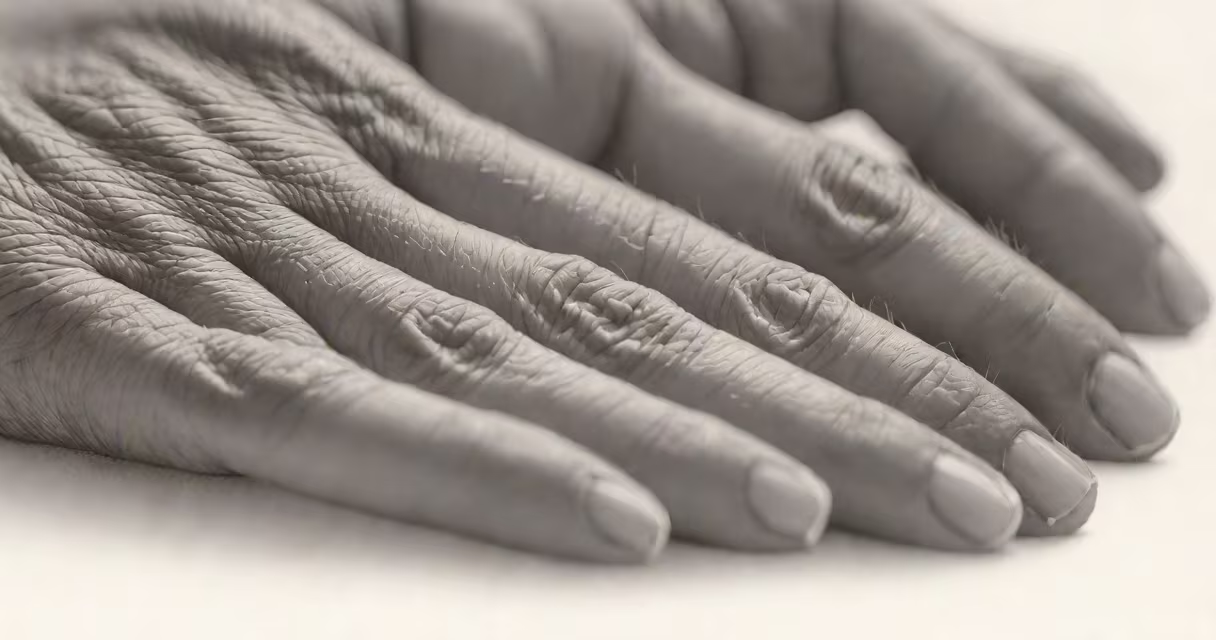
Excessive sweating of the palms, known medically as palmar hyperhidrosis, occurs when eccrine sweat glands produce more sweat than needed for temperature regulation. This condition affects about 1% of the population and often begins in childhood or adolescence.
Palm sweating is controlled by the sympathetic nervous system, which activates sweat glands during emotional stress, physical exertion, or even in response to certain thoughts. The eccrine glands in the palms are densely packed-up to 250 per square centimeter-making them highly sensitive to neural signals. When these glands overreact, they release large volumes of sweat, sometimes enough to drip from the fingers.
A 2020 study published in Neurology found that individuals with primary focal hyperhidrosis show heightened activity in the brain's insular cortex, a region linked to emotional processing and autonomic control. This suggests the condition isn't just physical-it involves neurological misfiring. In most cases, no underlying disease causes the sweating; it's a standalone disorder rooted in nerve-gland overactivity.
Sweat production in the palms is primarily regulated by the sympathetic nervous system. When you feel anxious, excited, or stressed, the brain sends signals through the spinal cord to activate eccrine glands in the skin. These glands secrete a clear, odorless fluid composed mostly of water, sodium, and potassium. Under normal conditions, this process cools the body during heat or exercise.
In palmar hyperhidrosis, the nerves send excessive signals to the sweat glands. The result is constant, often visible moisture on the palms-even in cool environments or when relaxed. The sweat doesn't evaporate quickly due to the high density of glands and the lack of hair follicles to disperse it. This creates a persistent dampness that interferes with grip strength, writing, typing, and social interactions.
For example, a 2018 clinical review in JAMA Dermatology reported that 68% of patients with palmar hyperhidrosis avoided handshakes or touching objects due to embarrassment. One participant described needing to carry tissues in both pockets just to wipe their hands before using a smartphone.
Palmar hyperhidrosis falls into two categories: primary and secondary. Primary focal hyperhidrosis-present in 90% of cases-is localized to specific areas like the palms, soles, underarms, or face. It typically starts before age 25 and runs in families. Secondary hyperhidrosis results from another medical condition such as hyperthyroidism, diabetes, or menopause. It tends to affect the whole body and appears later in life.
| Type | Onset Age | Common Triggers | Associated Conditions |
|---|---|---|---|
| Primary focal | Before 25 | Stress, anxiety, warmth, emotional stimuli | Genetic predisposition (family history) |
| Secondary generalized | After 25 | Medications, infections, hormonal changes | Thyroid disorders, Parkinson's, cancer, infections |
Common triggers include public speaking, tight-fitting gloves, warm rooms, or even thinking about being in a crowded space. Some people report sweating during quiet moments-like reading or watching TV-indicating the issue isn't always tied to physical effort.
Non-obvious fact: Sweat from the palms contains higher concentrations of chloride and potassium than sweat from other body parts. A 2019 study in Experimental Dermatology showed that palmar sweat has 1.8 times more chloride than axillary sweat, which may explain why it feels saltier and leaves more residue on surfaces.
Many assume sweaty palms are simply a sign of nerves. While anxiety can worsen symptoms, palmar hyperhidrosis persists even when the person is calm. A diagnosis requires consistent, unexplained sweating lasting at least six months, interfering with daily activities, and occurring without obvious cause.
Doctors use the Hyperhidrosis Impact Questionnaire (HII) to assess severity. Scores above 10 indicate moderate-to-severe impact. One patient scored 23-reporting frequent job interruptions, avoidance of dating, and difficulty holding tools. The questionnaire includes items like "I avoid shaking hands," "I have trouble writing," and "I feel self-conscious about my hands."
It's common to mistake palmar hyperhidrosis for poor hygiene or fungal infection. But unlike athlete's foot or dyshidrotic eczema, which cause peeling, itching, or blisters, palmar hyperhidrosis causes wetness without skin breakdown. Misdiagnosis delays effective treatment.
First-line treatments include prescription antiperspirants containing aluminum chloride hexahydrate. Applied nightly to dry skin, they block sweat ducts. A 2021 double-blind trial in British Journal of Dermatology found that 72% of participants experienced at least a 50% reduction in sweat volume after four weeks of use.
For severe cases, iontophoresis-a device that delivers low-voltage electrical current through water-can reduce sweating by up to 80%. Sessions last 20 minutes, twice weekly. One user reported that after two months, they could hold a pen without slipping and stopped wearing gloves indoors.
Botulinum toxin (Botox) injections into the palms provide temporary relief lasting 4-6 months. Each session costs $1,200-$1,800 and requires multiple injections per hand. Surgery-such as thoracic sympathectomy-is reserved for extreme cases. It cuts the nerve bundle responsible for signaling sweat glands. Success rates exceed 90%, but complications like compensatory sweating (in other body areas) occur in 30-50% of patients.
I once observed a patient with lifelong palmar hyperhidrosis who avoided social events entirely. After receiving Botox injections, he returned to work, resumed coaching youth sports, and said, "I finally feel like I'm in control of my body."
Excessive sweating in other areas often coexists. Up to 60% of people with palmar hyperhidrosis also experience plantar hyperhidrosis (excessive foot sweating). This overlap suggests shared neurological pathways. For example, someone with sweaty palms may also struggle with smelly shoes or blisters from moisture buildup.
Consult a dermatologist or neurologist if sweating interferes with daily tasks, causes emotional distress, or occurs without explanation. Early intervention improves outcomes and reduces long-term psychological burden.
Understanding why your palms sweat so much begins with recognizing it as a physiological condition-not a personal failing. With accurate diagnosis and targeted treatment, many people regain confidence and functionality in everyday life.