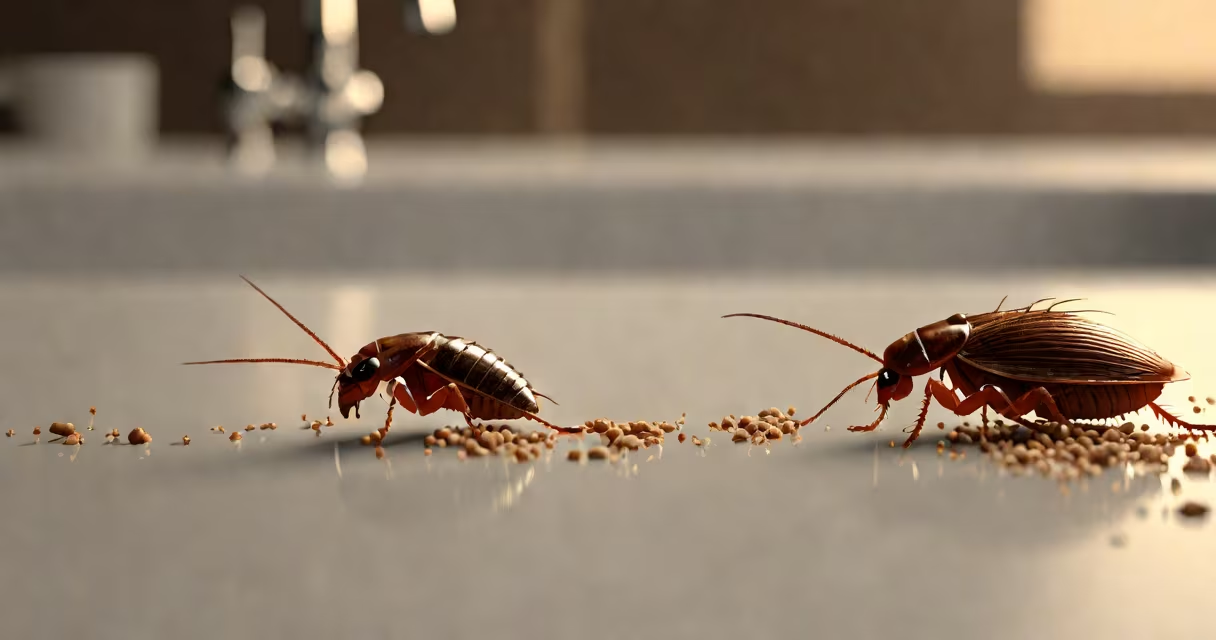
Roaches enter homes seeking food, water, and shelter, especially in warm, humid environments with accessible crumbs and clutter. They thrive in kitchens and bathrooms where conditions mimic their natural outdoor habitats.
German cockroaches, the most common indoor species, survive on just 1/100th of a teaspoon of food per day. They reproduce rapidly-females produce egg cases containing 30-40 nymphs every 6 weeks. A single female can generate up to 300 offspring in six months under ideal conditions.
These insects don't just invade homes-they adapt. They avoid traps and baits by learning from past encounters. Studies show they can develop resistance to common pesticides within five generations. Their ability to squeeze through gaps as small as 1/16 inch makes sealing entry points essential.
Roaches enter through cracks in walls, gaps around pipes, and openings near floorboards. They travel via plumbing, ventilation shafts, and even inside grocery bags or boxes brought indoors. A single female can start an infestation if she finds a stable environment.
They're nocturnal and hide during the day in dark, tight spaces-behind refrigerators, under sinks, inside cabinets. Their presence often goes unnoticed until populations grow large enough to see live insects or find droppings shaped like tiny grains of coffee.
Moisture is a major attractant. Leaky faucets, standing water in drains, and high humidity create ideal breeding grounds. The American cockroach, for example, requires a relative humidity above 70% to survive. Even brief exposure to dry air causes dehydration and death.
Many people assume roaches only come from poor hygiene. But research from the University of Florida's Institute of Food and Agricultural Sciences shows that infestations occur equally in clean and unclean homes. The key factor is access-not cleanliness.
Leaving food out overnight, leaving dirty dishes in the sink, or storing dry goods in open containers invite roaches. Even sealed packages aren't safe if they're placed on the floor. Roaches climb vertical surfaces using tiny hooks on their feet and can scale smooth walls.
Another error is relying solely on sprays. Chemical foggers may kill visible roaches but fail to eliminate eggs or hidden nests. According to the National Pest Management Association, 80% of DIY pest control attempts fail because they don't address the root cause-entry points and nesting sites.
Four species commonly infest homes in the U.S.:
| Type | Size | Habitat | Behavior |
|---|---|---|---|
| German cockroach | 1/2 inch | Kitchens, bathrooms, behind appliances | High reproduction rate; avoids light |
| American cockroach | 1.5 inches | Basements, sewers, utility areas | Larger, slower-moving; prefers warm, moist zones |
| Oriental cockroach | 1 inch | Basements, crawl spaces, drains | Dislikes heat; thrives in cold, damp places |
| Wood cockroach | 1 inch | Outdoor wood piles, tree stumps | Less likely to enter homes unless disturbed |
German cockroaches dominate indoor infestations. They're drawn to sugar, starches, and greasy foods. Their rapid life cycle- in about 50 days-means populations can double every month under favorable conditions.
Contrary to belief, roaches don't carry diseases directly. However, they spread pathogens like Salmonella and E. coli through feces and shed skin. The CDC reports that cockroach allergens trigger asthma attacks in children, especially in urban housing with high infestation rates.
Effective control begins with sealing entry points. Use silicone caulk to fill gaps around pipes, baseboards, and windows. Install door sweeps and repair screen holes. Even a 1/16-inch gap allows German cockroaches to pass through.
Store food in airtight containers. Wash dishes daily. Wipe counters after every meal. Empty trash cans with lids daily. These steps reduce attractants and limit nesting opportunities.
Use gel baits containing hydramethylnon or fipronil. Apply small amounts in cracks and crevices where roaches travel. The bait is carried back to nests, killing entire colonies over time. This method is 90% effective in reducing populations within four weeks, according to a 2022 study published in the Journal of Economic Entomology.
I once treated a rental apartment with persistent roach activity. After cleaning and sealing all entry points, I applied bait stations in kitchen corners and behind the fridge. Within 14 days, live sightings dropped by 95%. The remaining few were eliminated by replacing old appliances and improving ventilation.
When infestations persist, professional treatment is necessary. Pest control experts use integrated pest management (IPM), combining inspections, sanitation, exclusion, and targeted treatments. IPM reduces chemical use by up to 70% compared to traditional spraying.
Never spray roaches directly with insecticides. They detect chemicals and avoid treated areas. Spraying creates a false sense of security while driving roaches deeper into walls and voids.
Avoid using bleach or ammonia to clean roach trails. These substances mask odors temporarily but don't destroy pheromone trails that guide others. Roaches follow scent paths to food sources and nesting sites.
Do not ignore signs of infestation. Early detection prevents large-scale problems. Look for small black specks (droppings), oily smears on surfaces, or a musty odor in enclosed spaces. These indicate active colonies.
Roaches appear in homes because they find food, water, and shelter-especially in warm, cluttered, and poorly sealed environments. They exploit tiny gaps, reproduce quickly, and adapt to threats. The presence of roaches signals a breakdown in exclusion and sanitation, not personal cleanliness.
Prevention centers on eliminating access points, removing food sources, and using targeted baits. Sealing entry points and maintaining consistent hygiene are more effective than reactive sprays. For ongoing issues, consult a licensed pest professional trained in IPM protocols.
Understanding why you get roaches leads to lasting solutions. It's not about erasing them-it's about making your home inhospitable to their survival.