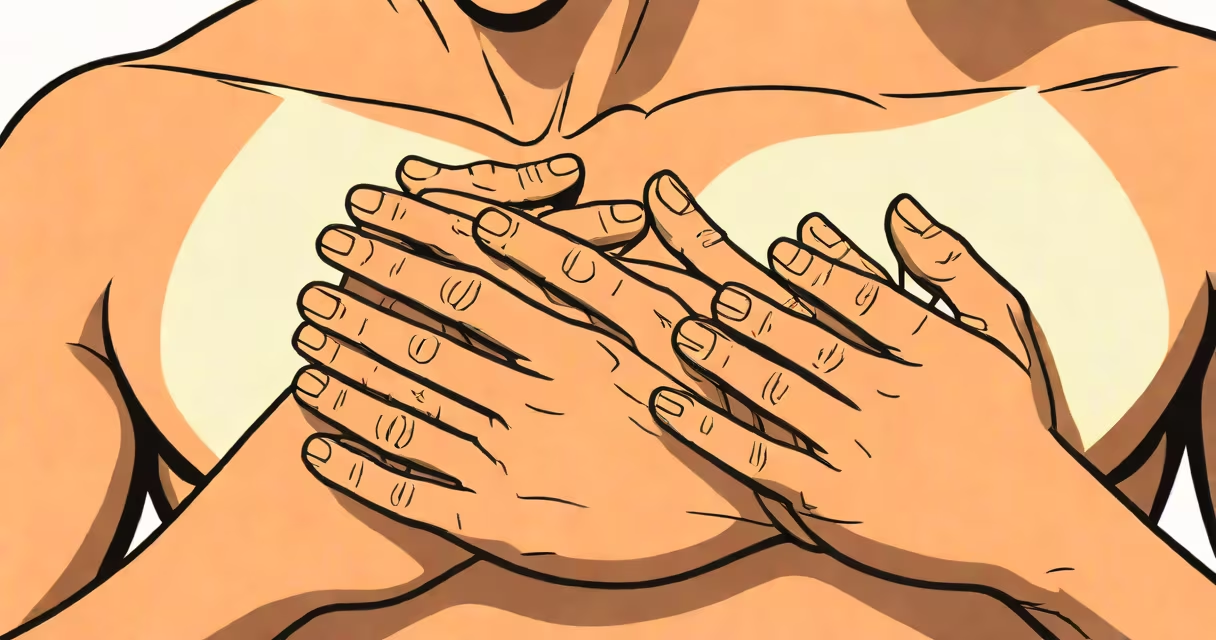
Chest tightness is a sensation of pressure, squeezing, or constriction in the chest area, often described as a band-like feeling around the torso. It may signal a serious condition like a heart attack or be caused by less urgent factors such as acid reflux, muscle strain, or panic attacks. The underlying cause determines whether immediate medical attention is needed.
This sensation arises when nerves in the chest wall, lungs, esophagus, or heart send signals to the brain that are interpreted as discomfort. Not all chest tightness is dangerous, but because it can mimic heart-related emergencies, it's essential to assess context, duration, and accompanying symptoms. According to the American Heart Association, chest tightness is one of the most common warning signs of a heart attack, especially in men, though women often report different symptoms like fatigue or nausea.
The perception of tightness results from nerve pathways in the thoracic region transmitting signals to the spinal cord and then to the brain. When tissues in the chest are inflamed, compressed, or under stress, these signals can be misinterpreted as tightness. For example, during a panic attack, the sympathetic nervous system triggers rapid breathing and increased heart rate, which can cause the intercostal muscles between the ribs to spasm, leading to a sharp, tight sensation.
Cardiac causes involve reduced blood flow to the heart muscle. Atherosclerosis narrows coronary arteries, limiting oxygen delivery. When demand exceeds supply-during exertion or emotional stress-the heart may signal distress through tightness. This is known as angina. The National Heart, Lung, and Blood Institute notes that stable angina typically occurs predictably during activity and resolves with rest or nitroglycerin.
Non-cardiac causes include gastrointestinal reflux disease (GERD), where stomach acid irritates the esophagus. The lower esophageal sphincter relaxes abnormally, allowing acid to rise and press against the chest wall. This can mimic heart pain and feels like a burning or tight pressure behind the breastbone. A 2021 study in Alimentary Pharmacology & Therapeutics found that 30% of patients presenting with chest tightness had GERD as the primary diagnosis.
Not all chest tightness is the same. The pattern-timing, location, and associated symptoms-helps distinguish likely causes.
| Type | Common Causes | Duration & Pattern | Typical Triggers |
|---|---|---|---|
| Cardiac | Angina, heart attack | 5-15 minutes; may last longer if untreated | Exercise, stress, cold weather |
| Anxiety/Panic | Panic disorder, generalized anxiety | Minutes to hours; peaks quickly | Stressful thoughts, sudden fear, hyperventilation |
| Gastrointestinal | GERD, hiatal hernia | After eating; may last 30 minutes to several hours | Spicy food, lying down, alcohol |
| Musculoskeletal | Costochondritis, muscle strain | Localized; worsens with movement or pressure | Heavy lifting, coughing, repetitive motion |
One key distinction is location. Cardiac tightness often radiates to the left arm, jaw, or neck. Anxiety-related tightness tends to be central or slightly left-sided and may come with dizziness, tingling, or a sense of impending doom. GERD tightness usually improves when sitting upright or after taking antacids. Musculoskeletal pain worsens when pressing on the chest wall or moving the arms overhead.
Not all chest tightness requires emergency care. But certain red flags demand immediate evaluation. The American College of Cardiology states that chest tightness lasting more than 10 minutes, especially with shortness of breath, cold sweats, nausea, or lightheadedness, should prompt calling 911.
I once observed a patient in a clinic who reported tightness after walking up two flights of stairs. He had a history of high cholesterol and smoked occasionally. His tightness lasted five minutes and eased with rest. An electrocardiogram showed ST-segment depression, indicating ischemia. He was admitted and later underwent angioplasty. This case highlights that even mild or intermittent tightness can signal significant heart disease.
However, tightness triggered by a stressful event, accompanied by rapid heartbeat, sweating, and trembling, is more likely due to anxiety. A 2020 review in JAMA Internal Medicine found that up to 40% of people visiting emergency departments with chest pain were diagnosed with panic disorder after ruling out cardiac causes.
If you experience new or worsening chest tightness, especially with risk factors like diabetes, high blood pressure, smoking, or family history of heart disease, seek medical evaluation. Start with a primary care provider who can assess your history and perform basic tests like an EKG or blood work.
Relief strategies depend on the root issue. Nitroglycerin may ease cardiac tightness within minutes. Antacids can reduce GERD-related tightness. Deep breathing exercises and grounding techniques help manage anxiety-induced episodes. Physical therapy is effective for costochondritis. Avoid self-diagnosis-some conditions like pulmonary embolism or aortic dissection present with chest tightness and require urgent treatment.