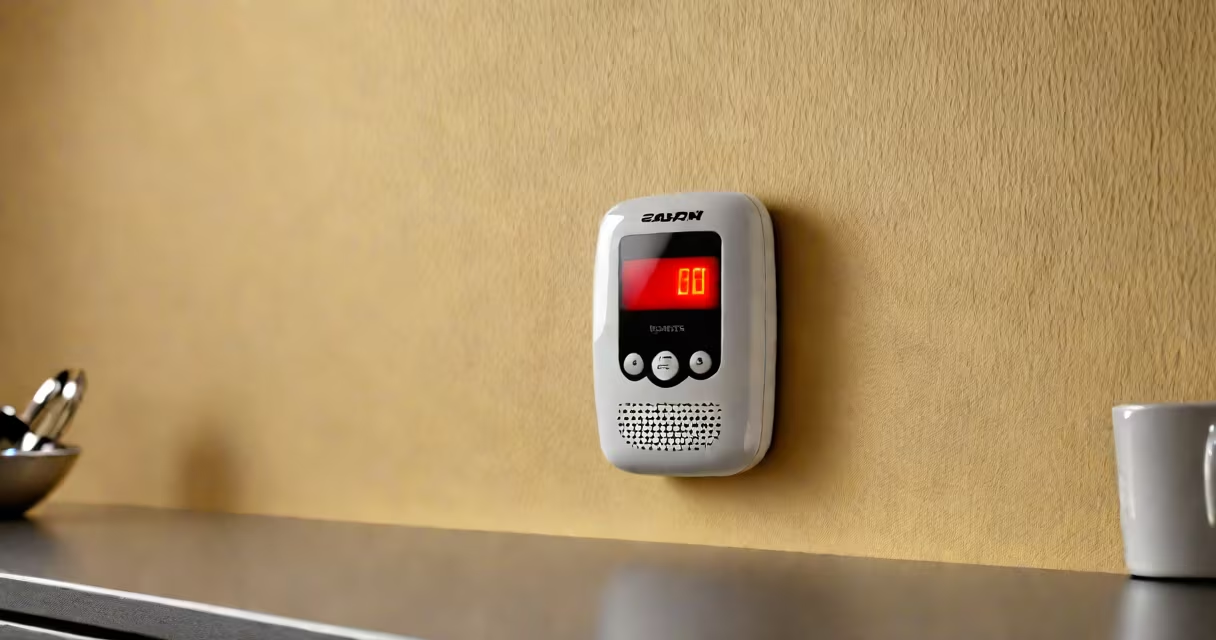
A carbon monoxide alarm beeps to warn of elevated levels of odorless, colorless carbon monoxide gas in your home. This gas comes from fuel-burning appliances like furnaces, water heaters, and stoves. The beep signals immediate risk and requires action to prevent poisoning or death.
Carbon monoxide (CO) is produced when fuels such as natural gas, oil, wood, or propane burn incompletely. Without proper ventilation, CO builds up and can displace oxygen in the bloodstream. Even low levels over time cause fatigue, headaches, nausea, and confusion. High exposure leads to unconsciousness or death within minutes.
The National Fire Protection Association (NFPA) reports that CO alarms reduce the risk of fatal CO poisoning by 50%. Alarms detect CO at concentrations above 70 parts per million (ppm) and trigger a loud, intermittent beep. The sound pattern varies by model but typically includes four beeps every 30 seconds.
Alarms contain electrochemical sensors that react to CO molecules. When CO enters the sensor chamber, it triggers a chemical reaction that generates an electrical signal. The alarm's circuitry interprets this signal and activates the audible alert.
Modern alarms test themselves every 60 seconds. A single beep every 30 seconds usually means the battery is low. Two beeps indicate a fault in the sensor or electronics. Four beeps mean CO has been detected. Some models display a digital readout showing CO levels in ppm.
For example, a Honeywell CO alarm displays "CO" and flashes red when CO exceeds 30 ppm. At 70 ppm, it emits a continuous alarm. The device continues sounding until CO levels drop below safe thresholds or the alarm is manually reset.
Beeping patterns differ based on the issue. Understanding them prevents panic and ensures correct response:
| Beep Pattern | Meaning | Action Required |
|---|---|---|
| One beep every 30 seconds | Battery low | Replace batteries immediately |
| Two beeps every 30 seconds | End-of-life warning | Replace the entire unit |
| Four beeps every 30 seconds | CO detected | Evacuate and call emergency services |
| Continuous beep | High CO level | Exit home and contact fire department |
Some alarms beep during installation or after battery replacement. This is normal. If the beep persists beyond 10 minutes, check the manual. A faulty sensor may require professional inspection.
False alarms can occur due to dust buildup inside the sensor housing. Cleaning the unit with a dry cloth reduces interference. Avoid using compressed air, which can damage the sensor.
If your carbon monoxide alarm beeps continuously, treat it as a life-threatening emergency. Open windows and doors. Evacuate everyone, including pets. Move to fresh air outdoors.
Call 911 or your local emergency number. Do not re-enter the building until authorities confirm it is safe. Fire departments have portable CO meters and can identify the source of leaks.
I once encountered a situation where a family ignored a single beep every 30 seconds. They replaced the battery but didn't realize the alarm was nearing end-of-life. Two days later, the alarm emitted four beeps. They evacuated and called 911. The fire department found a cracked heat exchanger in their furnace. Repair prevented a potential fatality.
Many assume a carbon monoxide alarm beeps only when CO is present. But low batteries and aging units also trigger alerts. Ignoring a single beep can lead to failure during a real emergency.
Another myth: CO alarms are unnecessary in homes with gas stoves. The U.S. Consumer Product Safety Commission (CPSC) states that 430 people die annually from unintentional CO poisoning. Over half involve residential heating systems. Alarms are required in all sleeping areas under most state codes.
Some confuse CO alarms with smoke detectors. They serve different purposes. Smoke alarms detect combustion particles from flames. CO alarms detect invisible, toxic gas. A single device cannot replace both. Install both types for full protection.
Fire departments recommend placing CO alarms near bedrooms and in hallways. Avoid placing them near bathrooms or kitchens, where humidity and cooking fumes cause false positives. Install at least one on each floor.
Test your carbon monoxide alarm monthly. Press the test button for 5 seconds. The alarm should sound. Replace batteries annually, even if they seem fine.
Replace the entire unit every 10 years. Most manufacturers label the expiration date on the back. After that, sensor accuracy degrades. A failed alarm offers no protection.
Have your furnace, water heater, and fireplace inspected annually by a licensed technician. Clean vents and chimneys regularly. Ensure exhaust fans vent outside, not into attics or crawl spaces.
When your carbon monoxide alarm beeps, act quickly. The sound is not a nuisance-it is a warning that could save lives. Recognizing the pattern and responding correctly makes all the difference.