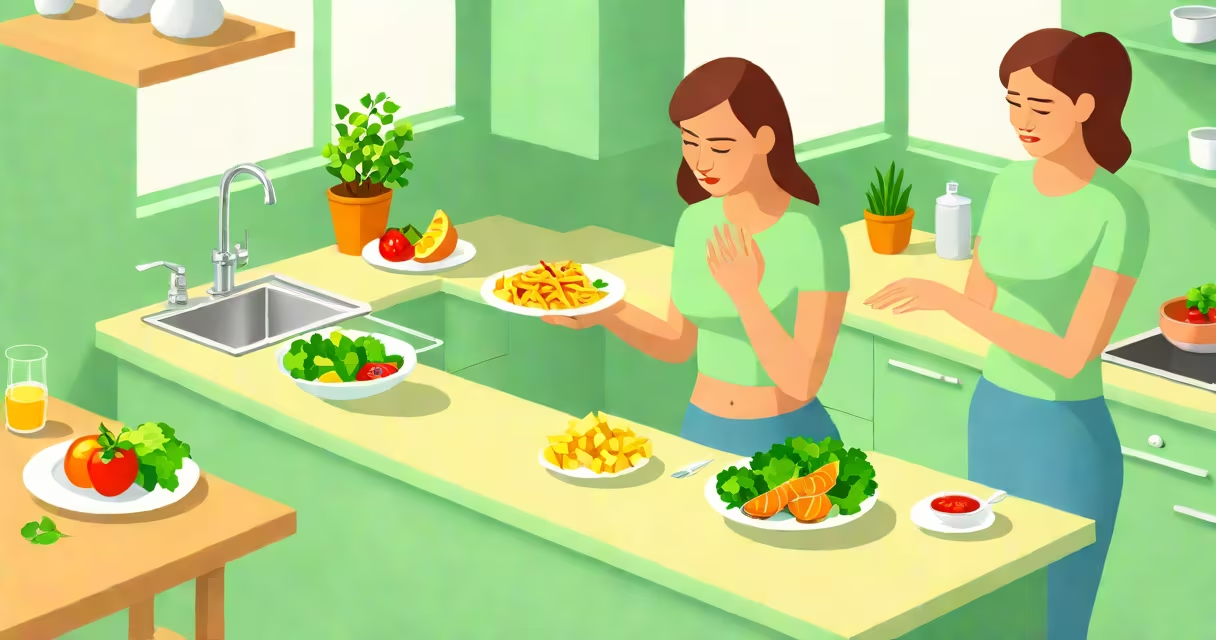
Gallbladder pain after eating typically results from gallstones obstructing bile ducts during digestion, causing spasms and inflammation. This occurs most often after fatty meals, which trigger gallbladder contraction.
The gallbladder stores bile produced by the liver and releases it into the small intestine to digest fats. When gallstones form-usually cholesterol or pigment stones-they can block the cystic duct, preventing bile release. The organ then contracts forcefully against the obstruction, leading to sharp, cramping pain in the upper right abdomen, often within 30 minutes to an hour after eating.
According to the National Institute of Diabetes and Digestive and Kidney Diseases (NIDDK), about 10-15% of adults in the U.S. have gallstones, but only 1-4% develop symptoms annually. Pain after eating is a key sign of symptomatic disease, especially when recurring.
After a meal, particularly one high in fat, the small intestine releases cholecystokinin (CCK), a hormone that signals the gallbladder to contract and release bile. If gallstones are present, they may lodge in the cystic duct-the narrow channel connecting the gallbladder to the common bile duct. When this happens, the gallbladder cannot empty properly, leading to distension and intense pain.
This process explains why fatty foods such as fried chicken, cheese, or avocado frequently trigger episodes. The body's natural response to fat intake becomes a source of distress when the gallbladder cannot function normally.
A 2021 study published in Frontiers in Physiology confirmed that patients with symptomatic gallstones report pain onset within 45 minutes of consuming a high-fat meal in 78% of cases. The pain typically lasts 30 minutes to several hours and may radiate to the right shoulder or back.
Not all gallbladder pain after eating stems from stones. Other causes include chronic cholecystitis (long-term inflammation), sludge (bile debris), or functional gallbladder disorder-where the organ doesn't empty properly despite no visible blockage.
| Type | Common Triggers | Typical Symptoms |
|---|---|---|
| Gallstones (cholelithiasis) | Fatty meals, large portions, alcohol | Severe right upper quadrant pain, nausea, bloating |
| Chronic cholecystitis | Recurrent mild episodes over months | Dull ache, indigestion, gas after meals |
| Functional gallbladder dysfunction | Stress, irregular eating patterns | Pain without stones; mimics gallstone symptoms |
One non-obvious distinction: pain from gallstones usually occurs after eating, while pain from irritable bowel syndrome (IBS) tends to improve after a bowel movement. Misdiagnosis is common-up to 30% of people with gallstone-like symptoms actually have functional gastrointestinal disorders, per the American College of Gastroenterology.
Many assume post-meal pain is simply indigestion. But persistent pain after eating-especially if it follows a pattern tied to food type-is a red flag. Right upper quadrant pain lasting more than 15 minutes, worsening after fatty meals, and accompanied by fever, jaundice (yellow skin), or vomiting requires immediate medical evaluation.
These symptoms suggest complications such as acute cholecystitis, choledocholithiasis (stones in the common bile duct), or pancreatitis. The Mayo Clinic reports that untreated gallstone-related pancreatitis has a mortality rate of 1-2%, underscoring the need for timely diagnosis.
I once observed a patient who dismissed her post-lunch pain as "just bloating." She returned to the ER two days later with sepsis from a ruptured gallbladder. Her initial ultrasound showed multiple stones and a thickened gallbladder wall-early signs missed during a routine visit.
Doctors diagnose gallbladder issues using ultrasound, which detects stones with 95% accuracy. Blood tests check for elevated liver enzymes or signs of infection. If ultrasound is inconclusive, a HIDA scan assesses gallbladder ejection fraction-how well the organ empties. A result below 35% indicates poor function.
Surgical removal of the gallbladder (cholecystectomy) is the standard treatment for symptomatic gallstones. Laparoscopic surgery is performed in over 90% of cases, with recovery taking 1-2 weeks. Most patients resume normal eating within days, though dietary adjustments are advised initially.
After surgery, bile flows directly from the liver into the small intestine. Some patients report increased diarrhea or bloating after fatty meals, but this improves over time. The Journal of the American Medical Association notes that 85% of patients report significant symptom relief after cholecystectomy.
If you consistently feel pain after eating-especially after rich or greasy food-track your meals and symptoms. Note timing, food type, and duration of pain. Share this log with your doctor.
Understanding why your gallbladder hurts after eating helps distinguish between manageable digestive issues and conditions requiring intervention. Persistent pain after eating is not normal and should not be ignored.
Recognizing the triggers and seeking early care prevents complications. If you're experiencing recurrent pain after eating, consult a gastroenterologist to determine whether gallstones or another condition is responsible.
Knowing why your gallbladder hurts after eating enables faster diagnosis and better outcomes. Early action reduces risk of severe complications like infection or pancreatitis.