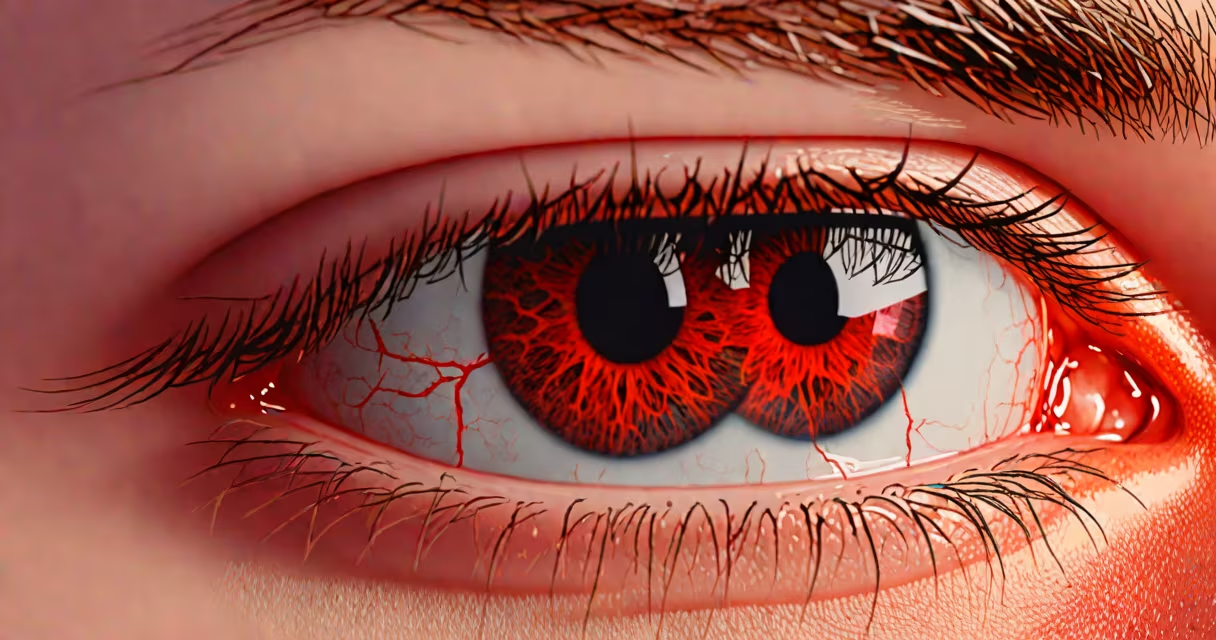
A red left eye results from dilated blood vessels in the conjunctiva-the thin membrane covering the white of the eye. This condition, known as conjunctival hyperemia, occurs when irritation, inflammation, or infection triggers increased blood flow near the surface. Redness in one eye typically indicates a localized issue rather than systemic disease.
Common triggers include dryness, allergens, foreign particles, or infections. Unlike generalized redness from fatigue or stress, unilateral redness often points to a specific cause. The color ranges crimson depending on severity and underlying mechanism. Swelling, discharge, or pain may accompany the redness, helping narrow the diagnosis.
Redness lasting more than 48 hours without improvement warrants medical evaluation. Persistent redness may indicate conditions requiring treatment beyond over-the-counter remedies. Early identification reduces risk of complications such as corneal abrasion or vision changes.
Blood vessels in the conjunctiva respond rapidly to stimuli. When irritated, they dilate and leak fluid, increasing visibility. This response serves as a protective mechanism to draw immune cells to the site. The resulting redness appears within minutes to hours after exposure to a trigger.
For example, rubbing your eye while wearing contact lenses can introduce bacteria or scratch the cornea. Within 6 hours, blood vessels dilate, causing noticeable redness. The eye may feel gritty or burn. These symptoms reflect the body's immediate inflammatory reaction.
Not all redness involves inflammation. Dry eye syndrome causes redness due to insufficient tear film, leading to epithelial stress. In this case, blood vessels dilate from chronic friction, not infection. The redness often worsens during screen time or in air-conditioned environments.
Redness in one eye stems from several categories: infectious, allergic, mechanical, and vascular. Each has distinct patterns and associated symptoms.
| Type | Common Triggers | Distinctive Symptoms | Typical Duration |
|---|---|---|---|
| Conjunctivitis (pink eye) | Bacteria, viruses, allergens | Discharge (watery or thick), itching, crusting | 2-7 days |
| Allergic conjunctivitis | Pollen, dust mites, pet dander | Intense itching, tearing, bilateral involvement | Hours to weeks, recurring |
| Dry eye syndrome | Screen use, aging, medications | Gritty sensation, burning, fluctuating vision | Chronic, intermittent |
| Corneal abrasion | Foreign object, contact lens wear | Pain, light sensitivity, tearing | Days to a week |
One key distinction: viral conjunctivitis often begins in one eye and spreads to the other within 24-48 hours. If redness remains confined to the left eye and shows no spread, infection is less likely. Allergies typically affect both eyes symmetrically unless exposure is unilateral.
Non-obvious fact: redness from subconjunctival hemorrhage-bleeding under the conjunctiva-appears vivid red but causes no pain or vision loss. It looks alarming but resolves in 7-14 days without treatment. This condition often follows coughing, sneezing, or straining.
Redness that persists beyond 48 hours, worsens, or includes pain, blurred vision, or light sensitivity requires prompt evaluation. These signs suggest potential corneal involvement or intraocular pressure issues.
I once observed a patient with a red left eye who had worn extended-wear contact lenses overnight. The redness was severe, accompanied by sharp pain and photophobia. Slit-lamp examination revealed a corneal ulcer. Without timely intervention, permanent vision loss could have occurred. This case highlights how quickly a minor irritation can escalate.
According to the American Academy of Ophthalmology, redness with decreased vision or eye pain should be assessed within 24 hours. Delay increases risk of irreversible damage. Conditions like uveitis or acute angle-closure glaucoma can mimic red eye but require urgent treatment.
Many assume redness always signals infection. In reality, dryness or allergies are more frequent causes. Overusing over-the-counter eye drops containing vasoconstrictors-like tetrahydrozoline-can worsen redness over time by causing rebound vasodilation.
Another error: ignoring redness in children. Pediatric conjunctivitis from chlamydia or gonorrhea can present with redness and purulent discharge. These infections require antibiotics and are reportable under public health laws. Early detection prevents long-term complications.
Some patients self-treat with steroid drops, believing they reduce inflammation faster. However, steroids can mask infections and increase intraocular pressure. The FDA warns against using them without a prescription.
Redness from prolonged screen use is often misattributed to "digital eye strain." While screen time contributes to dryness, the primary issue is reduced blink rate-down to 6-7 blinks per minute versus normal 15-20. This leads to tear evaporation and surface irritation.
If redness is mild and isolated, try warm compresses, artificial tears, and avoiding irritants like smoke or wind. Discontinue contact lens wear until resolved. Avoid rubbing the eye, which can transfer bacteria or cause micro-abrasions.
When symptoms persist beyond 48 hours, consult an ophthalmologist or optometrist. They may perform a fluorescein stain test to detect corneal damage or measure intraocular pressure. A slit-lamp exam provides detailed visualization of ocular structures.
Understanding why your left eye is red begins with identifying the root cause. Most cases resolve with simple measures, but some require professional care. Knowing the difference ensures effective management and protects long-term eye health.