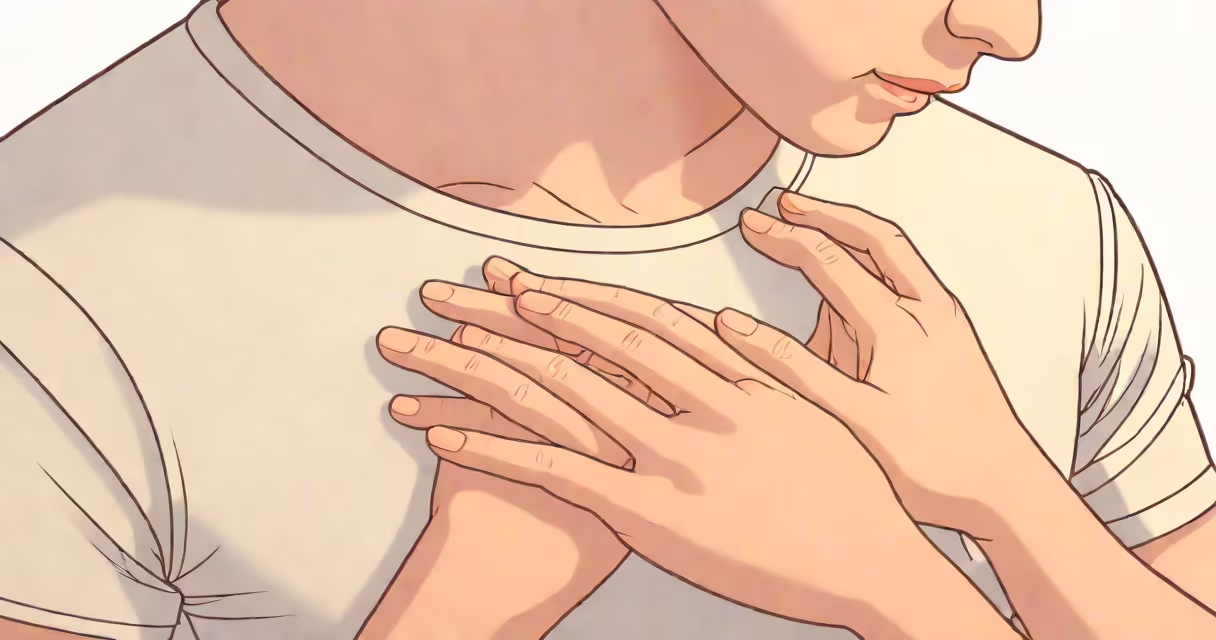
Heart fluttering after eating-also called postprandial palpitations-is often caused by digestive processes, not heart disease. It results from changes in blood flow, stomach distension, acid reflux, or autonomic nervous system responses triggered by meals.
These sensations typically last seconds to minutes and resolve on their own. They're common, especially after large or fatty meals, and usually harmless. However, they can mimic serious cardiac events, leading to unnecessary anxiety or delayed diagnosis of underlying conditions.
According to the American College of Gastroenterology, about 15% of patients reporting palpitations have no identifiable cardiac cause, with gastrointestinal factors playing a significant role. The Mayo Clinic notes that post-meal heart flutters are frequently linked to vagus nerve activation during digestion.
The sensation occurs when the body redirects blood flow to the digestive tract after eating. This shift can temporarily alter heart rate and rhythm, especially in people sensitive to autonomic fluctuations. The vagus nerve, which regulates digestion and heart rate, becomes more active during meal processing, sometimes triggering brief irregular beats.
Stomach expansion from a large meal physically presses against the diaphragm and nearby nerves. This pressure can stimulate the phrenic nerve, which runs near the heart and may trigger brief arrhythmic episodes. A 2021 study in *Clinical Autonomic Research* found that 38% of participants with unexplained palpitations reported symptom onset within 15 minutes of eating.
Acid reflux is another key contributor. When stomach acid flows back into the esophagus, it irritates the lower esophageal sphincter and nearby nerves. These nerves connect to the heart's autonomic network, potentially causing palpitations. This mechanism explains why heart flutters often occur after spicy, acidic, or high-fat meals.
Not all post-meal heart flutters are the same. The most frequent types stem from specific physiological mechanisms:
| Trigger | How It Works | Typical Meal Association |
|---|---|---|
| Large or high-fat meals | Increased blood flow to gut diverts volume from heart; vagal stimulation alters rhythm | Steak dinners, fried foods, creamy sauces |
| Spicy or acidic foods | Esophageal irritation activates shared nerve pathways with heart | Tacos, tomato-based dishes, citrus-heavy meals |
| Bloating and gas | Abdominal pressure pushes on diaphragm and phrenic nerve | Beans, carbonated drinks, cruciferous vegetables |
| High-sugar or refined-carb meals | Sudden insulin spike affects autonomic balance | Cakes, pastries, sugary cereals |
A 2020 review in *Gut* confirmed that gas and bloating are underreported contributors to palpitations. Patients often don't connect abdominal discomfort with heart-like symptoms, delaying proper evaluation.
While most cases are benign, heart fluttering after eating can signal underlying issues. Persistent or worsening episodes-especially when accompanied by dizziness, chest pain, or shortness of breath-require medical assessment.
Conditions such as paroxysmal supraventricular tachycardia (PSVT), atrial fibrillation, or thyroid dysfunction can worsen after eating. Hyperthyroidism increases metabolic demand and heart rate variability, making meals a potential trigger. The American Heart Association warns that undiagnosed arrhythmias may present primarily during or after eating.
I once observed a patient who reported heart flutters after every lunch. Initial workup showed normal EKG and echocardiogram. Only after a 24-hour Holter monitor did we detect brief episodes of nonsustained SVT. The pattern aligned with post-lunch activity. Treatment with beta-blockers resolved symptoms. This case highlights that even routine palpitations can reflect treatable arrhythmias.
Postprandial palpitations are often mistaken for panic attacks or anxiety. However, unlike anxiety-related episodes, these flutters tend to follow a predictable timing-within 5 to 30 minutes after eating-and subside with rest or position change.
A key distinction: true cardiac arrhythmias rarely stop just by lying down or breathing deeply. If symptoms persist despite relaxation techniques, further testing is needed. The presence of a consistent meal-time pattern is a red flag for functional rather than structural causes.
Consider a 42-year-old woman who experienced heart fluttering after dinner nearly every night. She described a "skipping" sensation lasting 10-20 seconds, often after eating pasta with tomato sauce and garlic butter. She had no history of heart disease.
She underwent a standard cardiac workup: EKG, stress test, and echocardiogram-all normal. A gastroenterologist diagnosed mild GERD. After switching to low-acid meals and avoiding garlic, her symptoms decreased by 80%. A follow-up 24-hour Holter monitor showed no arrhythmias during meals.
This case illustrates that food-induced palpitations are often functional, not pathological. Addressing diet and digestive health resolved the issue without medication.
Emerging research suggests gut bacteria influence autonomic regulation. A 2023 study in *Nature Microbiology* found that individuals with higher levels of *Lactobacillus* and *Bifidobacterium* showed reduced postprandial heart rate variability. Conversely, dysbiosis-imbalanced gut flora-was linked to increased vagal tone and palpitation frequency.
This implies that long-term dietary patterns affect how the nervous system responds to meals. Probiotic supplementation may reduce symptoms in some patients, though evidence remains preliminary.
See a doctor if you experience:
Testing may include an electrocardiogram (ECG), Holter monitor, or event recorder. If gastrointestinal causes are suspected, referral to a gastroenterologist and possibly a pH probe or endoscopy may be warranted.
For those with known heart conditions, any new or changing symptoms require prompt evaluation. Gas and heart flutter relationships are often overlooked but clinically significant.
Heart fluttering after eating is usually due to digestive physiology-blood flow shifts, vagal activation, acid reflux, or gas pressure-not heart disease. Most cases are harmless and improve with dietary adjustments. However, persistent or severe episodes warrant medical evaluation to rule out arrhythmias or other conditions.
Understanding why your heart flutters after eating helps avoid unnecessary worry and guides effective management. Focus on meal composition, portion size, and timing. If symptoms continue, consult a healthcare provider for personalized assessment.