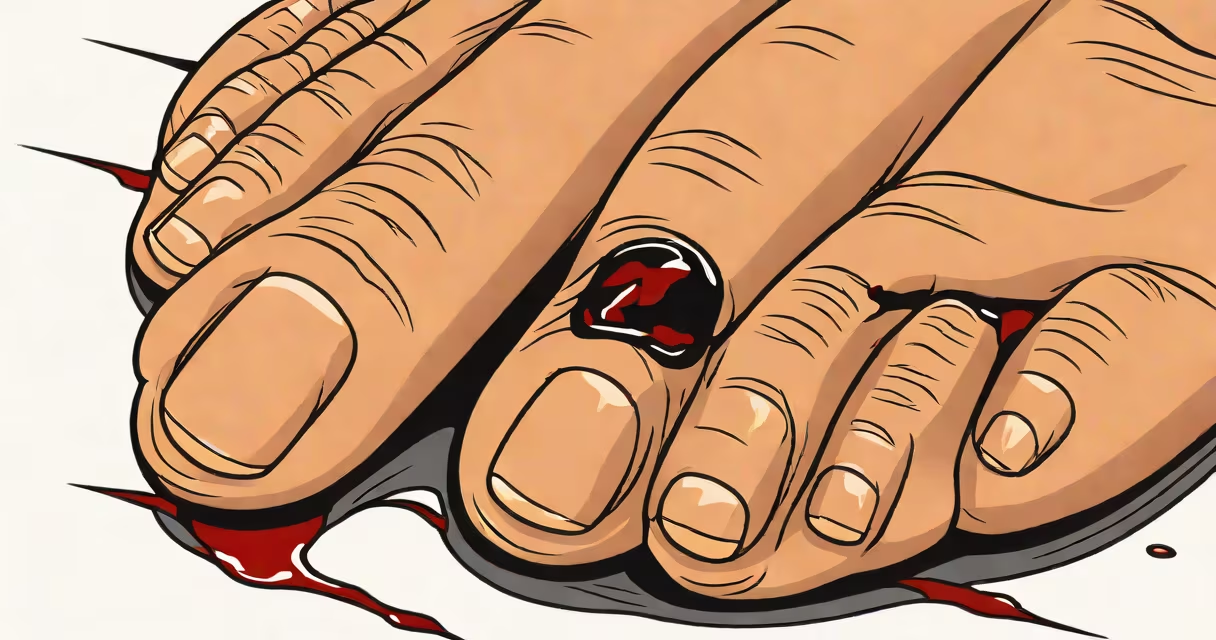
A black big toenail typically results from a subungual hematoma-a collection of blood under the nail caused by trauma, such as stubbing the toe or dropping something heavy on it. The discoloration appears as a dark purple or black patch that may spread as pressure builds under the nail.
When blood accumulates beneath the nail bed, it creates a bruise that cannot escape. As the nail grows out, the black area moves toward the tip. This process takes about 6 to 12 months, depending on nail growth rate. A single incident can cause a large area of discoloration, especially if the toe was crushed or jammed.
Not all black toenails stem from injury. Fungal infections, melanoma, or systemic conditions like anemia or vitamin deficiencies can also cause pigmentation changes. However, trauma remains the most common cause, particularly among runners, dancers, and people who wear tight shoes.
When the toe experiences blunt force-such as during sports, walking in narrow footwear, or accidentally slamming the foot against a door-the small blood vessels under the nail rupture. Blood leaks into the space between the nail and the nail bed, forming a clot. Over time, the blood breaks down and turns dark, creating the black appearance.
The nail itself acts as a barrier. Because the nail is rigid and sealed, pressure builds as blood fills the space. This can cause pain, especially if the clot expands. The pressure may be so intense that it feels like a throbbing ache or constant dull pain.
As the nail grows, the damaged portion gradually moves forward. The black spot will eventually grow out and be trimmed off. New nail tissue forms beneath the old, healthy nail. This regrowth process is slow-nails grow about 3 mm per month, so complete replacement takes several months.
Black toenails fall into two main categories: traumatic (injury-related) and non-traumatic (medical or fungal). Distinguishing between them is critical for proper care.
| Category | Common Cause | Appearance | Other Symptoms |
|---|---|---|---|
| Traumatic | Stubbed toe, dropped object, tight shoes | Dark red to black, often uniform, may cover half the nail | Pain, tenderness, swelling around the nail |
| Non-Traumatic | Fungal infection, melanoma, systemic illness | Irregular streaks, brown/black lines, uneven color | Nail thickening, crumbling, or separation from the bed |
For example, a runner who wears ill-fitting shoes may develop a black toenail after long training sessions. The discoloration appears suddenly, often after a race, and is accompanied by pressure or pain. In contrast, a person with a fungal infection may notice gradual darkening, nail thickening, and crumbling over weeks or months.
One key distinction often missed: a traumatic hematoma usually affects only one nail and appears after a specific event. Non-traumatic causes-especially melanoma-can appear without injury, progress slowly, and affect multiple toes or show vertical streaks. According to the American Academy of Dermatology, melanoma under the nail (subungual melanoma) accounts for less than 1% of all melanomas but is often misdiagnosed due to its rarity and similarity to benign conditions.
Most black toenails from minor trauma resolve on their own. However, consult a healthcare provider if:
If a dark streak appears without injury, especially in someone over 50 or with a history of skin cancer, rule out melanoma. The National Cancer Institute notes that early detection improves survival rates. A biopsy may be needed to confirm diagnosis.
I once treated a patient who wore high heels daily. He noticed a dark line under his big toenail that had grown over six months. Initially dismissed as bruising, it turned out to be early-stage melanoma. After surgical removal and follow-up, he recovered. This case underscores that not all black nails are trauma-related-and ignoring subtle changes can delay treatment.
For mild cases caused by minor injury, apply cold compresses within the first 24 hours to reduce swelling and limit blood flow. Improve the foot and avoid tight shoes. Over-the-counter pain relievers like ibuprofen can ease discomfort.
Do not attempt to drain the blood yourself. Poking a hole in the nail increases infection risk. The body naturally reabsorbs the blood over time. If the pressure is unbearable, a doctor can perform a procedure called trephination-drilling a small hole in the nail to release fluid. This relieves pain quickly and prevents further damage.
Keep the area clean and dry. Trim the nail carefully to prevent snagging. Avoid artificial nails or nail polish until the nail has fully regrown.
Many assume a black toenail always means a broken bone or serious injury. That's not true. A small fracture may cause bleeding under the nail, but most cases involve soft tissue trauma. The presence of a black spot does not automatically indicate a fracture.
Another myth: "The black color means the nail is dead." This is false. The nail is made of keratin, a protein that doesn't die. The discoloration is due to trapped blood or pigment, not necrosis. The nail continues to grow and will eventually be replaced.
Also, black toenails do not always require antibiotics. Only if there's evidence of infection-such as drainage, fever, or spreading redness-should antibiotics be considered. Using them unnecessarily contributes to antibiotic resistance.
If your big toenail is black and you're unsure of the cause, monitor it closely. Track changes in size, shape, and color. If the discoloration spreads rapidly, persists beyond 3 months, or is accompanied by pain, swelling, or nail detachment, see a podiatrist or dermatologist.