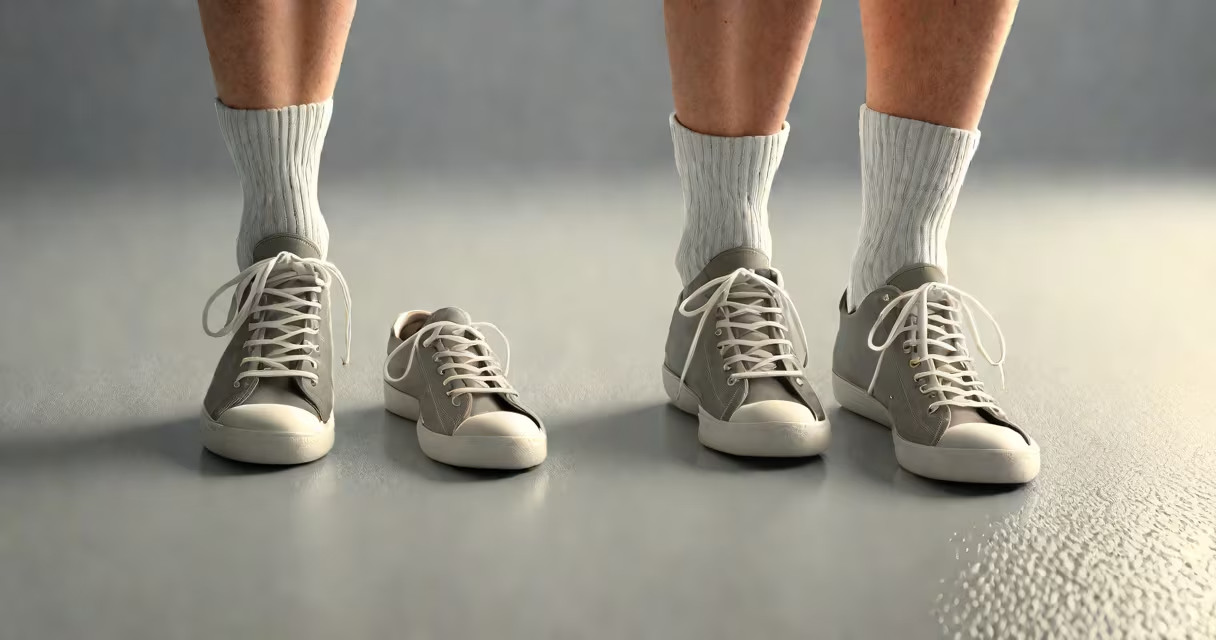
Chronic foot odor results from bacteria breaking down sweat in enclosed footwear, producing volatile organic compounds like isovaleric acid that smell like cheese or sour milk. This process thrives in dark, warm, humid conditions-exactly what shoes and socks create.
Foot odor begins when sweat glands in the soles produce moisture. The human foot contains about 250,000 sweat glands-more than any other body part-and can release up to half a pint of sweat daily. When this sweat mixes with dead skin cells and bacteria on the foot's surface, it becomes food for microbes. These microbes metabolize the sweat and release foul-smelling byproducts.
According to the American Academy of Dermatology, common odor-causing bacteria include *Corynebacterium* and *Staphylococcus*. These thrive in temperatures between 86°F and 95°F (30°C-35°C)-ideal for feet trapped in closed shoes. Without proper ventilation, sweat doesn't evaporate, creating a breeding ground for odor-producing microbes.
Bacteria don't produce odor directly. They break down amino acids and fatty acids in sweat into simpler molecules. One key compound, isovaleric acid, is responsible for the strong, cheesy smell often associated with foot odor. This same compound appears in aged cheeses and rancid butter.
When you wear the same pair of shoes for multiple days, bacteria multiply rapidly. A single bacterium can divide every 20 minutes under ideal conditions. After 12 hours in a damp shoe, colonies can grow. The longer the environment stays moist, the stronger the smell becomes.
Wearing synthetic socks or tight-fitting shoes traps heat and moisture. Cotton socks absorb sweat better than polyester blends, which hold moisture against the skin. Shoes made of leather or mesh allow airflow; those made of rubber or plastic do not. Choosing breathable materials reduces bacterial growth by lowering humidity levels inside footwear.
Not all foot odor comes from the same root cause. Understanding the underlying factor helps determine effective solutions.
| Type | Root Cause | Common Triggers | Typical Treatment |
|---|---|---|---|
| Sweat-based | Excessive sweating (hyperhidrosis) | High stress, hot weather, tight shoes | Antiperspirants, moisture-wicking socks, foot baths |
| Bacterial | Overgrowth of odor-producing microbes | Infrequent sock changes, shared shoes, poor hygiene | Antibacterial washes, foot powders, UV shoe sanitizers |
| Fungal | Toe web infections (athlete's foot) | Damp public showers, walking barefoot in gyms | Antifungal creams, keeping feet dry, avoiding shared footwear |
Hyperhidrosis affects about 3% of the population, according to the International Hyperhidrosis Society. People with this condition sweat excessively even without physical exertion or heat. If your feet feel wet throughout the day-even when not exercising-you may have primary focal hyperhidrosis. This condition often starts in childhood and runs in families.
One non-obvious fact: foot odor can worsen during sleep. While you're resting, sweat continues to accumulate. Your feet remain enclosed in socks and shoes overnight, allowing bacteria to feed and multiply. Waking up with smelly feet is common, especially if you wear the same shoes two days in a row.
Many people assume that deodorant sprays fix foot odor permanently. Most over-the-counter foot sprays mask smells using fragrances. They don't kill bacteria or reduce sweat. Some contain alcohol, which dries out the skin and may lead to cracking-creating more surface area for bacteria to colonize.
Another misconception is that washing feet once a day prevents odor. Washing removes surface bacteria but doesn't eliminate colonies embedded in shoe crevices or under toenails. A 2021 study published in *Journal of Clinical Microbiology* found that 68% of participants still had detectable odor-causing bacteria on their feet after showering, especially if they wore the same shoes again.
I once tested a popular "natural" foot spray containing essential oils. After wearing the same shoes for three days, the smell returned within 12 hours. The fragrance masked the odor initially, but the underlying bacterial load remained unchanged. That's why long-term control requires targeting the root cause-not just the symptom.
Consider a 34-year-old office worker who wears closed-toe shoes all day. He sweats heavily-his socks are damp by noon. He changes socks once daily and uses a generic antiperspirant spray. By 4 PM, his coworkers complain about the smell.
His routine fails because he doesn't address shoe hygiene. His shoes retain moisture and bacteria from previous days. Even though he changes socks, the bacteria in the shoe sole continue to break down sweat. The solution? Rotate between two pairs of shoes, air them out overnight, and use a foot powder with aluminum chloride to reduce sweat. After switching to moisture-wicking cotton socks and changing shoes daily, his odor disappeared within five days.
If foot odor persists despite good hygiene, consider medical causes. Fungal infections like athlete's foot can cause both itching and odor. Bacterial infections may lead to redness, swelling, or pus. Persistent bad smell with these symptoms warrants a visit to a dermatologist.
For chronic cases, prescription-strength antiperspirants or iontophoresis (a device that delivers low-voltage current to reduce sweating) may be recommended. The American Academy of Dermatology notes that iontophoresis reduces sweat production by up to 70% in 80% of patients after six weeks of treatment.
Understanding why your feet stink all the time starts with recognizing that odor is not a personal failure-it's a biological response to trapped moisture and microbial activity. Fixing it requires consistent habits: daily sock changes, rotating shoes, choosing breathable materials, and treating the environment, not just the skin.
Addressing persistent foot odor involves breaking the cycle of sweat-trapping, bacterial feeding, and reinfection. Once you understand the biology behind why your feet stink all the time, you can take targeted steps to stop it.