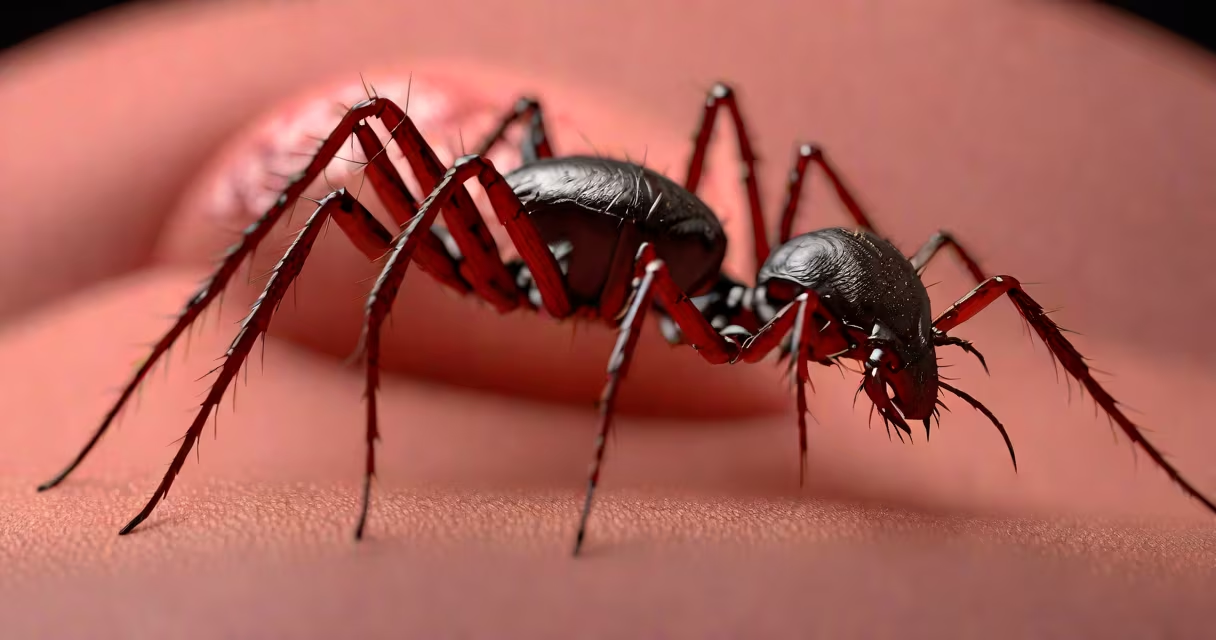
A tick bite hurts because the insect injects saliva containing proteins that suppress local immune responses and cause tissue irritation. This leads to inflammation, swelling, and pain at the bite site. The reaction varies by individual and tick species.
Ticks are ectoparasites that feed on blood using specialized mouthparts. As they attach and feed, they secrete saliva rich in bioactive compounds. These substances prevent clotting, reduce pain sensation in the host, and modulate immune activity-allowing the tick to feed undetected. However, this manipulation triggers a localized inflammatory response in humans, resulting in pain, redness, and itching.
According to the Centers for Disease Control and Prevention (CDC), most tick bites are mild and resolve within days. But the discomfort arises from the body's reaction to foreign proteins in tick saliva-not from the bite itself being inherently harmful. Pain intensity varies based on the person's immune sensitivity and the duration of feeding.
Tick saliva contains over 100 different proteins, many designed to manipulate host physiology. Among them are anticoagulants, immunosuppressants, and vasodilators. These chemicals interfere with normal wound healing and immune surveillance, allowing ticks to remain attached for hours to days.
When these proteins enter the skin, they activate immune cells like mast cells and macrophages. These cells release histamine and cytokines-chemicals that increase blood flow, attract more immune cells, and sensitize nerve endings. The result is localized pain, warmth, and swelling.
For example, the blacklegged tick (Ixodes scapularis), which transmits Lyme disease, secretes a protein called Salp15. This protein binds to CD4 receptors on T-cells and inhibits their activation. While this helps the tick evade detection, it also contributes to prolonged inflammation at the bite site. Studies show that individuals with higher baseline immune reactivity often report more intense pain from tick bites.
Reactions to tick bites fall into three categories: mild, moderate, and severe. Mild reactions include small red bumps, slight itching, and temporary tenderness. Moderate reactions involve larger areas of redness (up to 5 cm wide), persistent pain, and swelling lasting several days. Severe reactions are rare but may include fever, joint pain, or signs of infection.
Not all pain comes from the tick itself. Secondary infections can develop if the bite area is scratched or contaminated. A 2021 study published in Vector-Borne and Zoonotic Diseases found that 12% of patients with unattended tick bites developed bacterial colonization at the site, leading to increased pain and delayed healing.
| Reaction Type | Common Symptoms | Typical Duration | When to Seek Care |
|---|---|---|---|
| Mild | Small red bump, light itching | 1-3 days | None unless spreading |
| Moderate | Redness >5 cm, throbbing pain, swelling | 3-7 days | Redness spreads, fever develops |
| Severe | Fever, chills, rash spreading beyond bite | Days to weeks | Immediate medical attention |
One non-obvious fact: pain from a tick bite doesn't always correlate with disease transmission. A 2019 study in Emerging Infectious Diseases showed that 68% of people who contracted Lyme disease reported minimal or no pain at the bite site during initial exposure. Pain is a symptom of immune response, not a reliable indicator of infection risk.
Many assume that a painful bite means the tick carried a pathogen. That's incorrect. Pain results from the body's immune reaction to saliva, not from the presence of bacteria or viruses. A tick can transmit diseases like Lyme or Rocky Mountain spotted fever even if the bite causes little discomfort.
Another misconception is that all tick bites itch. Not true. Some people feel sharp, stinging pain instead. Others report numbness or a burning sensation. The variation stems from differences in individual neurology and the specific mix of salivary proteins delivered.
I once removed a deer tick from my forearm during a hike in New Jersey. The bite was initially painless. By the next morning, the area swelled to the size of a quarter and felt warm to the touch. I applied cold compresses and monitored it daily. The swelling resolved in four days with no signs of infection. This experience confirmed that pain isn't predictive of illness-but it does signal local immune activity.
Remove the tick promptly using fine-tipped tweezers. Grasp it close to the skin and pull upward steadily. Avoid twisting or crushing. Clean the area with soap and water or alcohol. Monitor for changes in the next 30 days.
If pain persists beyond 48 hours, worsens, or spreads, consult a healthcare provider. They may prescribe topical steroids or oral antihistamines to reduce inflammation. Antibiotics are not recommended unless symptoms suggest infection or tick-borne illness.
Prevention is key. Wear long sleeves and pants in wooded areas. Use repellents with DEET or permethrin. Perform full-body checks after outdoor activities. The CDC recommends checking every 2 hours during high-risk seasons (spring through early fall).
Understanding why your tick bite hurts helps you respond appropriately. It's not just a nuisance-it's a biological interaction between your immune system and tick saliva. Recognizing the difference between normal reaction and warning signs prevents unnecessary anxiety and ensures timely care.