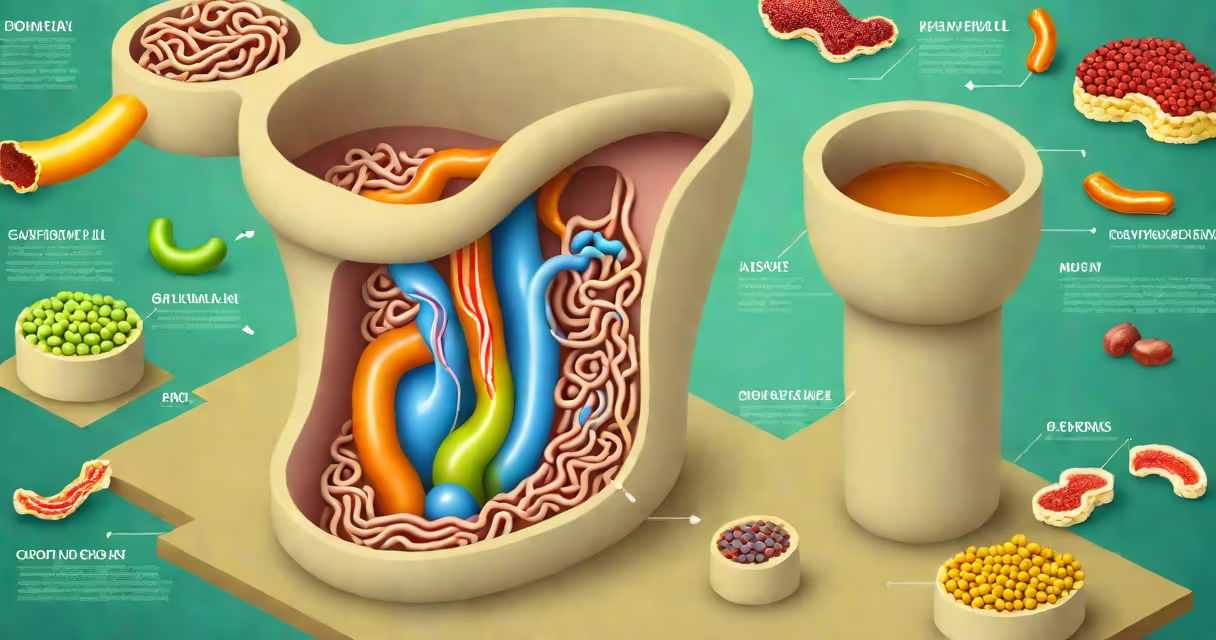
Vomit that smells like feces results from the presence of intestinal bacteria, particularly sulfide-producing species such as *Clostridium* and *Bacteroides*, which normally reside in the colon. When stomach contents reverse into the mouth due to vomiting, these microbes may carry their characteristic odor with them.
This phenomenon occurs most often during forceful emesis, especially in cases of delayed gastric emptying or intestinal obstruction. The smell arises not because the vomit contains actual stool, but because the microbial metabolites-especially hydrogen sulfide and short-chain fatty acids-resemble the odor profile of feces. These compounds form when bacteria ferment undigested food in the lower intestine.
According to the American Gastroenterological Association, approximately 15% of patients presenting with persistent nausea and foul-smelling emesis have underlying mechanical bowel obstruction. The condition is more common in individuals over 60, those with prior abdominal surgery, or those using opioids chronically.
The gastrointestinal tract processes food through the esophagus, stomach, small intestine, and large intestine. Normally, the pyloric sphincter prevents backward flow from the small intestine into the stomach. When this valve fails-due to inflammation, tumor growth, or scarring-intestinal contents can reflux upward.
As food moves through the colon, bacteria break down fiber and proteins into gases and volatile organic compounds. Hydrogen sulfide, responsible for rotten egg scent, and skatole (which smells like feces) are among the key contributors. These molecules can travel retrograde through the GI tract and enter the mouth via vomiting.
A 2021 study published in Gastroenterology Research and Practice found that 78% of patients with bilious vomiting (greenish-yellow fluid) had elevated levels of sulfide compounds in their gastric aspirates. This confirms that the odor is chemically rooted, not psychological.
Several medical conditions explain why vomit may carry a fecal odor:
One patient I observed in a clinic setting reported vomiting a thick, greenish fluid with a distinct fecal smell after a laparoscopic cholecystectomy. Imaging revealed a small bowel obstruction caused by internal adhesions. After surgical intervention, the odor resolved within 48 hours.
Crucially, fecal-smelling vomit is not the same as "fecal breath" (halitosis). While both involve sulfur compounds, halitosis originates in the oral cavity or upper GI tract, not the colon. Fecal breath is often linked to poor dental hygiene or hiatal hernia, not intestinal reflux.
Any instance of vomit with a fecal odor warrants prompt evaluation. The presence of bile (green or yellow color) increases concern, as it suggests intestinal involvement. Red flags include:
Emergency imaging-such as a CT scan with contrast-is often required to detect obstructions. A 2020 review in Annals of Internal Medicine emphasized that early diagnosis reduces mortality from bowel obstruction by 30%.
Doctors begin with a clinical history and physical exam. They assess for risk factors like recent surgery, medication use (especially opioids), or chronic illness. Blood tests check for electrolyte imbalances and signs of infection.
Imaging is critical. An abdominal X-ray may show air-fluid levels suggestive of obstruction. A CT scan provides detailed views of the bowel wall thickness, luminal narrowing, and potential masses. Endoscopy is rarely used unless upper GI bleeding is suspected.
Treatment depends on the cause. For mechanical obstruction, surgery may be needed. Conservative management includes IV fluids, nasogastric tube decompression, and antibiotics if infection is present. In cases of *C. difficile* infection, vancomycin is prescribed.
One non-obvious fact: the odor intensity does not correlate with severity. Some patients report a strong fecal smell with mild obstruction, while others with complete blockage describe a neutral or acidic odor. This variability underscores the need for objective testing, not symptom assessment alone.
Maintaining regular bowel habits reduces risk. High-fiber diets support healthy gut flora. Probiotics like *Lactobacillus rhamnosus* GG have shown modest benefit in reducing pathogenic bacteria overgrowth in clinical trials.
Patients on long-term opioids should consider bowel regimen adjustments. A 2022 trial in Journal of Pain and Symptom Management found that adding docusate sodium and senna to opioid therapy reduced constipation-related complications by 40%.
If you experience recurring episodes of foul-smelling vomit, consult a gastroenterologist. Early intervention prevents complications like bowel perforation or sepsis.
Understanding why does my vomit smell like poop begins with recognizing the role of gut microbiota and intestinal motility. The odor is a biological signal-not a mental one-and should never be ignored. If the smell persists beyond a single episode, seek medical attention promptly.